
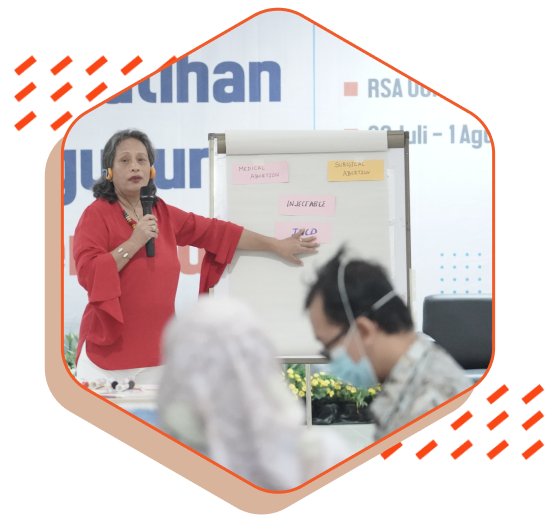
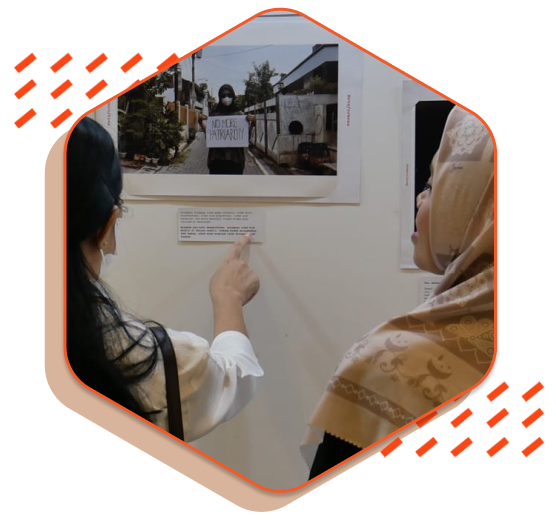
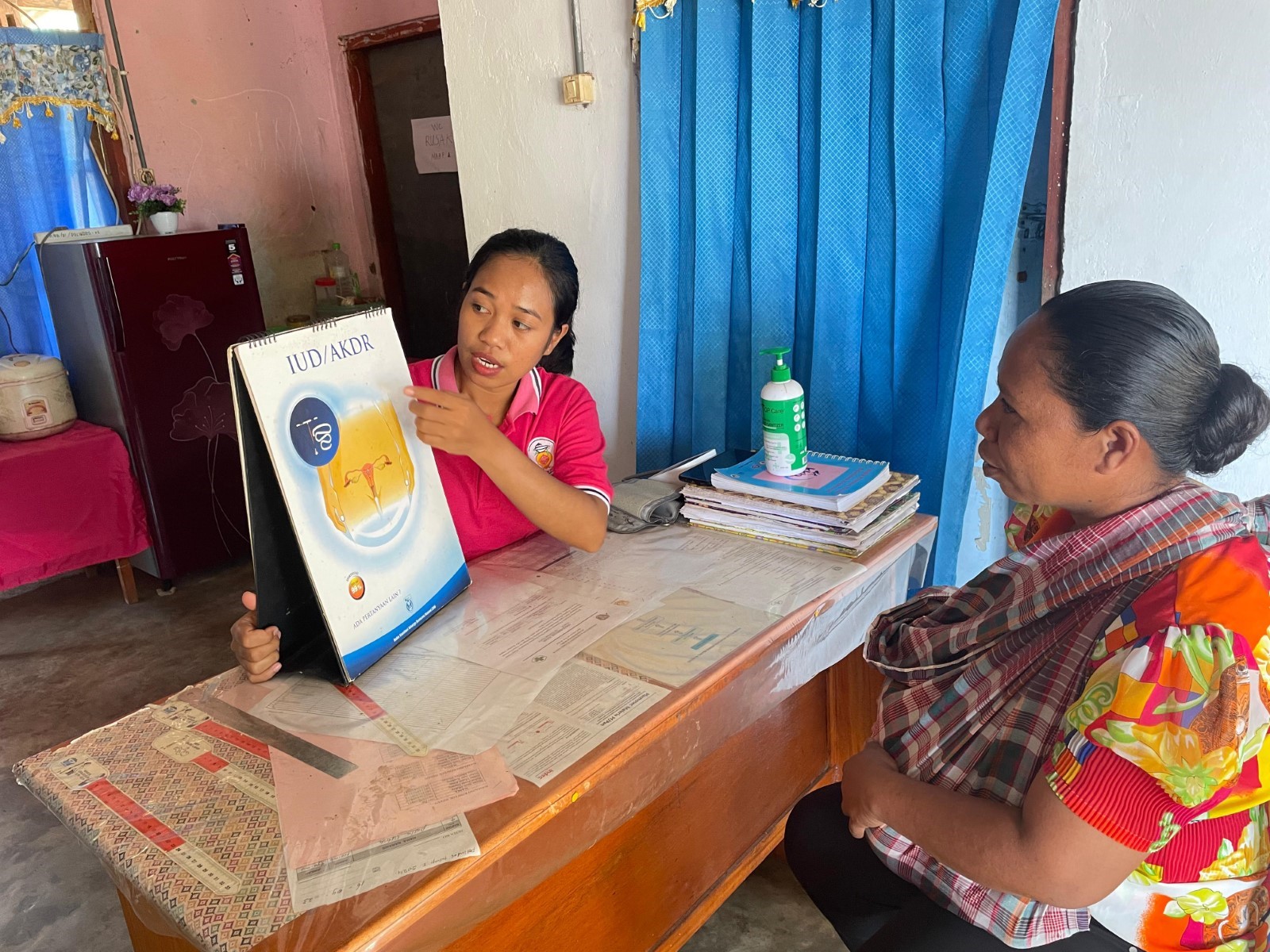

Reproductive healthcare services in Indonesia are not yet equitable due to economic and geographical disparities. Stigma and limited access to knowledge further worsen the situation.
Why Reproductive Justice?
Dampak kami sejak 2018
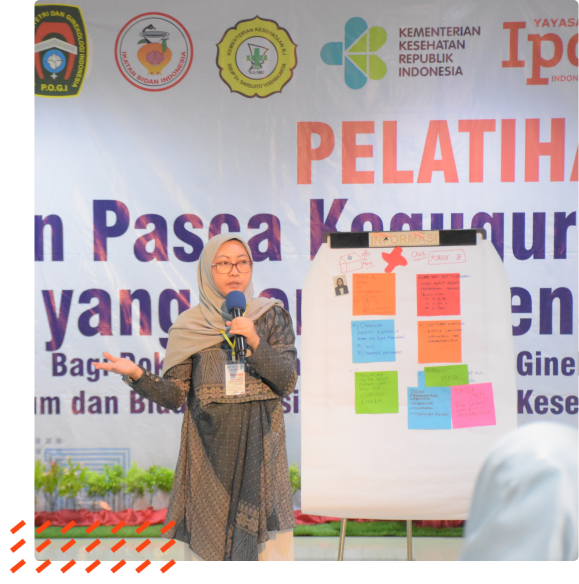
Provinsi memiliki pelatih Asuhan Pasca Keguguran
Pelatihan klinis
Penyedia layanan kesehatan terlibat
Peningkatan kapasitas
Perempuan akses layanan
Data per 30 Juni 2025.
Proyek Kekerasan Berbasis Gender dan Sekual (KBGS)
Orang mengakses informasi KBGS
Orang berpartisipasi dalam acara terkait KBGS
Key influencers terlibat
Kasus KBGS ditangani oleh mitra
Orang mengakses layanan
Data per 30 Juni 2025.
IPAS Stories & News
Changing Contraceptive Decisions with the Right Information
When misinformation and false assumptions are more easily believed than facts, important decisions can turn out to be wrong. That’s what happened to Yusina Kase and Maxi Taloim, a married couple. For years, misconceptions about contraception made them reluctant to use...
The Role of the Community as a Bridge in Overcoming Barriers to Reproductive Health Care
Ignasius Lado Dara, also known as Igen, Head of the Village Development Section in Riangbaring, East Flores Regency, explained that in the past, women in his village often gave birth at home because of difficulties accessing health facilities and a lack of connection...
Strengthening a Sustainable Contraceptive Service System in East Nusa Tenggara
The Family Planning (KB) program, or family planning services, in Indonesia began in the 1950s. However, in East Nusa Tenggara (NTT), many service providers, such as midwives, have not yet received training. At the health department level, the family planning program...
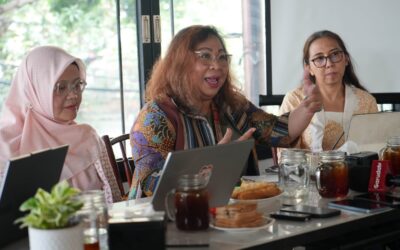
Health Rights for Victims of Violence Are Guaranteed, but Access Remains a Challenge
Jakarta, September 28, 2026 – Survivors of sexual violence have the right to prompt, safe, and comprehensive health care as part of their treatment and recovery process. This is particularly important given that rates of gender-based and sexual violence (GBSV) remain...
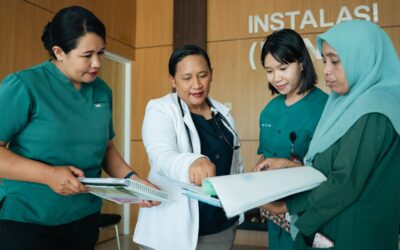
Systemic Changes in Miscarriage Care for Women in East Nusa Tenggara
For women who experience a miscarriage, access to prompt, safe, and high-quality health care can be a matter of life and death. A study published in The Lancet in 2021 showed that one in nine women has experienced a miscarriage. However, until a few years ago, post-miscarriage care services were very limited in most areas of East Nusa Tenggara (NTT).

After 25 Years as a Midwife, Priscilla Is Just Now Learning How to Insert an IUD
During her 25 years as a midwife, Prischilia Lekatompessy has helped many women access health care in Central Maluku Regency, Maluku Province. However, there is one procedure she has never performed: inserting contraceptive implants or IUDs (intrauterine devices),...

Padjadjaran University Medical Students Enhance Their Skills in Managing Miscarriages Through Training on the Use of Manual Vacuum Aspiration
The IPAS Indonesia Foundation and the Faculty of Medicine at Padjadjaran University conducted a Comprehensive Training Program on Post-Miscarriage Care (APK) for 2026 Medical Students. Through this training, 23 students received instruction on the use of Manual Vacuum...

Strengthening Communities, Expanding Access for Survivors of Violence
When someone experiences gender-based and sexual violence (GBSV), seeking help is not always easy. Many survivors do not know who they can talk to, where to report the incident, or how to obtain safe support. In situations like this, the role of the community becomes crucial

IPAS Indonesia Trains Task Forces on the Prevention and Handling of Violence from Seven Universities in Maluku
Ambon, Maluku – Campuses, which should be safe spaces for learning, still face serious challenges related to violence. In 2024, the National Commission on Violence Against Women (Komnas Perempuan) received 4,178 reports of violence occurring on college campuses....