
Reproductive Justice is a Human Rights framework
Reproductive Justice is a Human Rights framework for controlling one’s body, choosing to have or not have children, and raising children in a safe environment free from violence and oppression. The Reproductive Justice framework aims to ensure bodily autonomy and support for individuals, especially women and adolescent girls, without discrimination, in making decisions about their reproductive lives, regardless of their social and economic conditions.
In Indonesia, Reproductive Health is guaranteed as a right for every citizen under Law No. 17 of 2023 concerning Health. Building on the pillar of Reproductive Justice, the IPAS Indonesia Foundation plays a role in creating an ecosystem that supports women and adolescent girls in exercising their right to prevent and manage unintended pregnancies safely, in accordance with applicable laws and regulations.
Why?
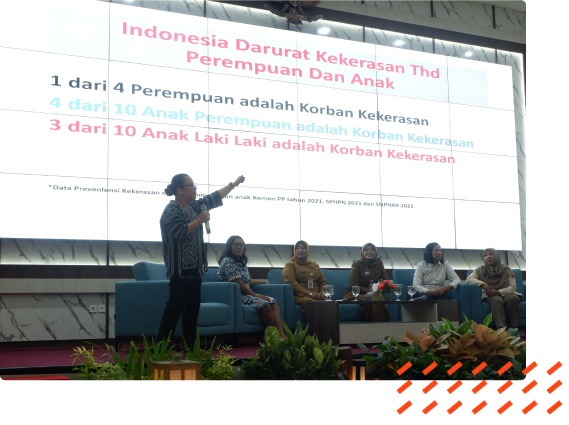
Not every pregnancy results in a healthy birth. Miscarriages can occur before childbirth. Furthermore, many women experience unintended pregnancies, particularly as a result of rape and sexual violence. It is the right of women and adolescent girls to decide whether or not to continue such pregnancies, and this right is guaranteed by law.
Information Injustice
Healthcare Service Inequity
Climate Injustice
Social Injustice
Learn IPAS strategies to achieve Reproductive Justice