
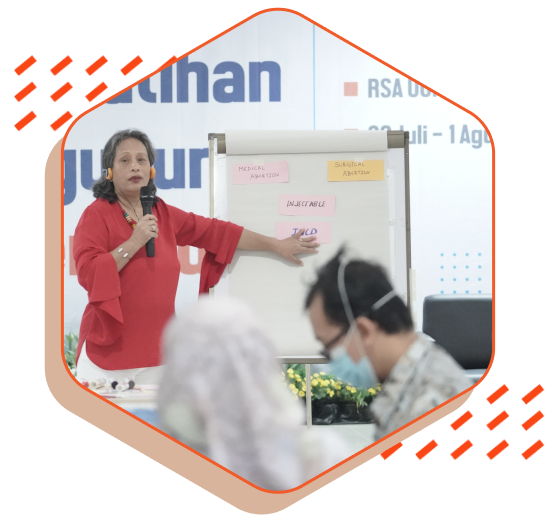
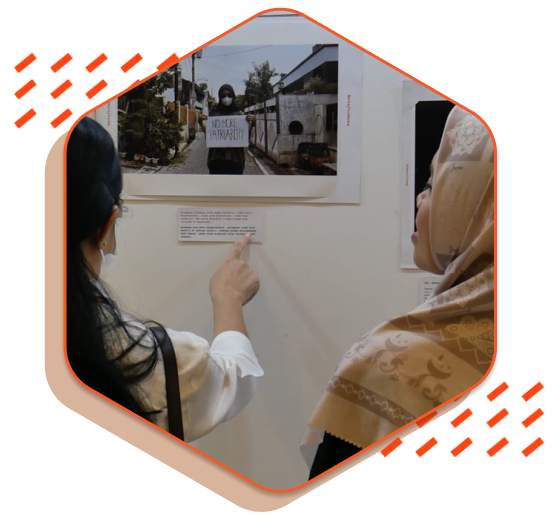
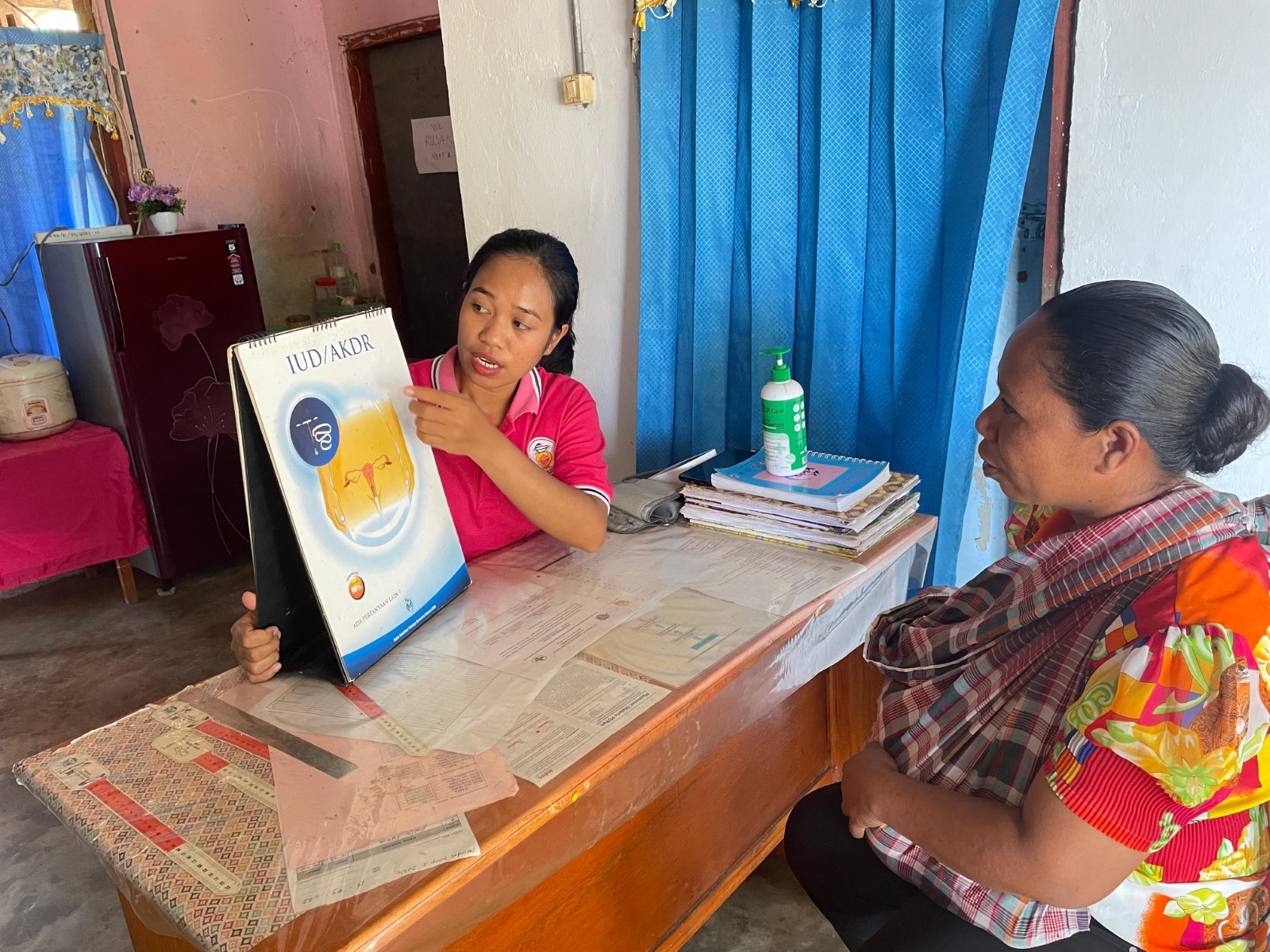

Reproductive healthcare services in Indonesia are not yet equitable due to economic and geographical disparities. Stigma and limited access to knowledge further worsen the situation.
Why Reproductive Justice?
Dampak kami sejak 2018
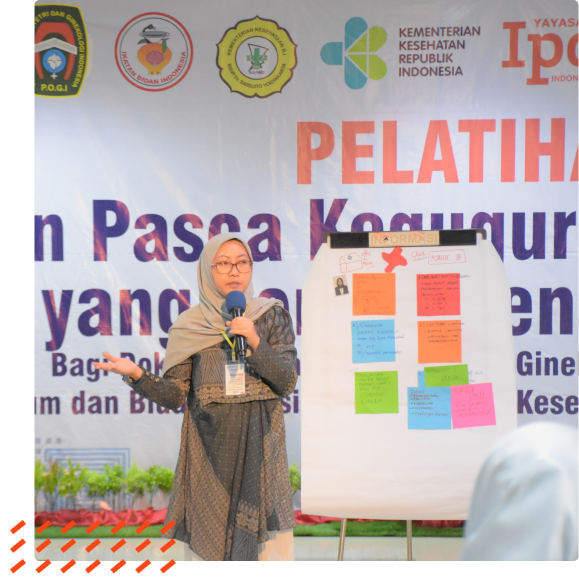
Provinsi memiliki pelatih Asuhan Pasca Keguguran
Pelatihan klinis
Penyedia layanan kesehatan terlibat
Peningkatan kapasitas
Perempuan akses layanan
Data per 30 Juni 2025.
Proyek Kekerasan Berbasis Gender dan Sekual (KBGS)
Orang mengakses informasi KBGS
Orang berpartisipasi dalam acara terkait KBGS
Key influencers terlibat
Kasus KBGS ditangani oleh mitra
Orang mengakses layanan
Data per 30 Juni 2025.
IPAS Stories & News

Sharing Best Practices in Post-Miscarriage Care, Contraception, and Health Services for Victims of Violence from 21 Community Health Centers in Four Indonesian Provinces
Strengthening the reproductive health system is a key element in enabling women and adolescent girls to make decisions about their own bodies. This ensures they can access high-quality, needs-based services that are free from stigma. Since its establishment in 2018,...

Providing Reproductive Health Services During the Earthquake at the Nokilalaki Community Health Center in Sigi Regency
A 6.7-magnitude earthquake struck Central Sulawesi on June 16, 2026. The Nokilalaki Community Health Center, located in Sigi Regency, was one of the buildings affected. The roofs over the patient care area and the administrative offices collapsed. Amid this situation, health services—particularly reproductive health services—had to continue.

Youth Jamboree in South Central Timor: Sharing Information on Reproductive Health and Raising Awareness About Preventing Violence Against Women and Children
A total of 136 young people (82 women and 54 men) in South Central Timor (TTS) Regency, East Nusa Tenggara Province, gathered for three days (May 27–29, 2026) for a jamboree held at the GMIT Elim Panite Church.

Meeting on Strengthening Health Centers for Reproductive Justice Fulfillment: Learning from East Nusa Tenggara, Central Java, Central Sulawesi and Maluku
More than 60 health workers and puskesmas medical personnel, representatives of health offices and districts/cities from four provinces (Maluku, Central Java, Central Sulawesi, and East Nusa Tenggara) gathered to strengthen knowledge on how primary health care...

Commemorating International Women’s Day, IPAS Indonesia Strengthens Multi-Stakeholder Commitment to Address Gender-Based and Sexual Violence (GBSV) in Maluku
Ambon, Maluku — Addressing Gender-Based and Sexual Violence (GBSV) cannot be solely the responsibility of one party. It requires a collective commitment from the government, law enforcement officials, traditional and religious leaders, healthcare professionals, and...

Media Roundtable International Women’s Day 2026: Breaking the Silence, Strengthening Services for Victims of Gender-Based and Sexual Violence
Press Release For immediate release. Media Roundtable International Women's Day 2026Breaking the Silence, Strengthening Services for Victims of Gender-Based and Sexual Violence Thursday, March 12, 2026 Gender-based and sexual violence (GBSV) remains a serious...

Ambon Journalists Empowered to Report on Sexual Violence with a Victim-Centered Perspective
Journalists play a strategic role in ensuring that victims of Gender-Based and Sexual Violence (GBSV) can access their rights fairly and with dignity. Through victim-centered coverage, the media can help build public understanding while promoting justice. To...

Her Voice Matters: Empowering Women to Speak Out on SRHR in Disaster Situations
Disasters are not gender-neutral. This was the experience of Priskastevani (29) when a 7.5-magnitude earthquake and tsunami struck her village in Sigi, Central Sulawesi, in 2018. In the emergency shelter, she had to sleep in the same space as other families, including...

Women-Led Advocacy for Gender-Responsive Village Funds in Integrating SRHR Needs into Disaster Issues
In disaster situations, women often face injustices. Their needs, particularly those related to Sexual and Reproductive Health and Rights (SRHR), are rarely prioritized. In many villages in Central Sulawesi, women are not involved in discussions regarding their needs...