For women who experience a miscarriage, access to prompt, safe, and high-quality health care can be a matter of life and death. A study published in The Lancet in 2021 showed that one in nine women has experienced a miscarriage. However, until a few years ago, post-miscarriage care services were very limited in most areas of East Nusa Tenggara (NTT).
Health facilities currently lack both trained health workers and systems to support women in receiving the post-miscarriage care they need. Yet post-miscarriage care services are crucial, especially in regions with high maternal mortality rates, such as NTT. Guidelines for these services were also published by the Indonesian Ministry of Health (Kemenkes) in 2020.
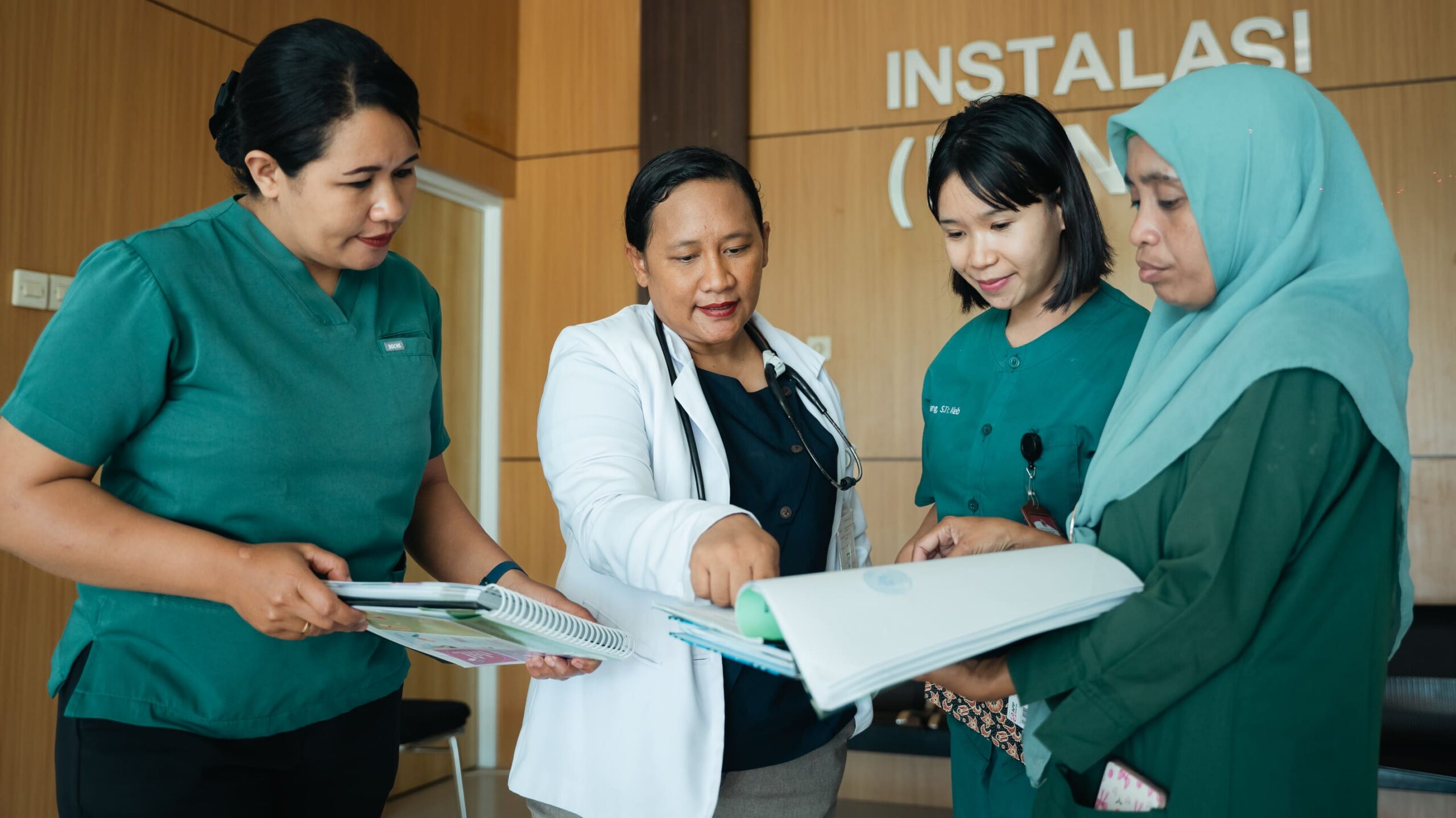
“APK services were indeed nonexistent before the IPAS Indonesia program was launched in 2023. We truly had no knowledge or skills regarding APK,” said Dr. Devi Sintella Muli, a general practitioner at the Oinlasi Community Health Center in South Central Timor Regency.
A similar situation also exists at the hospital level. Since beginning her service at Naibonat Regional Hospital in Kupang Regency in 2021, Dr. Herwinda Gerladus, a specialist in obstetrics and gynecology, has observed that the management of miscarriages still focuses on clinical procedures using sharp curettage, a method no longer recommended by the World Health Organization or the Ministry of Health due to the risk of long-term damage to the uterus. Additionally, there is currently no dedicated record-keeping system for miscarriage cases.
“There was also no specific record-keeping for APK cases prior to the launch of the IPAS program in 2023. So it was merely a matter of documenting them in patients’ medical records for legal purposes at the hospital,” said Dr. Herwinda.
Building the Foundation for Change
Through the TAKENUSA program (Joint Commitment to Women’s Health in Nusa Tenggara), the IPAS Indonesia Foundation, in collaboration with local governments and health facilities, is strengthening post-abortion care services in Kupang Regency, South Central Timor, and East Flores. Change begins with building the capacity of health workers.
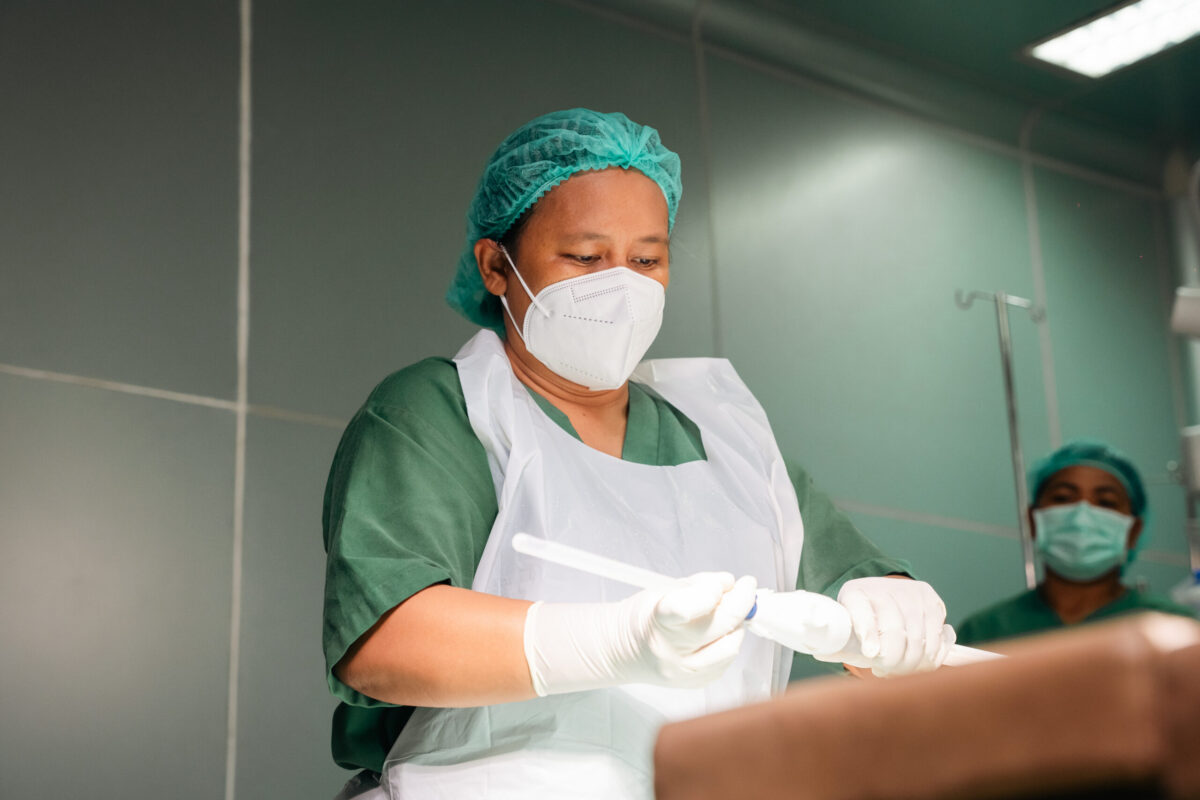
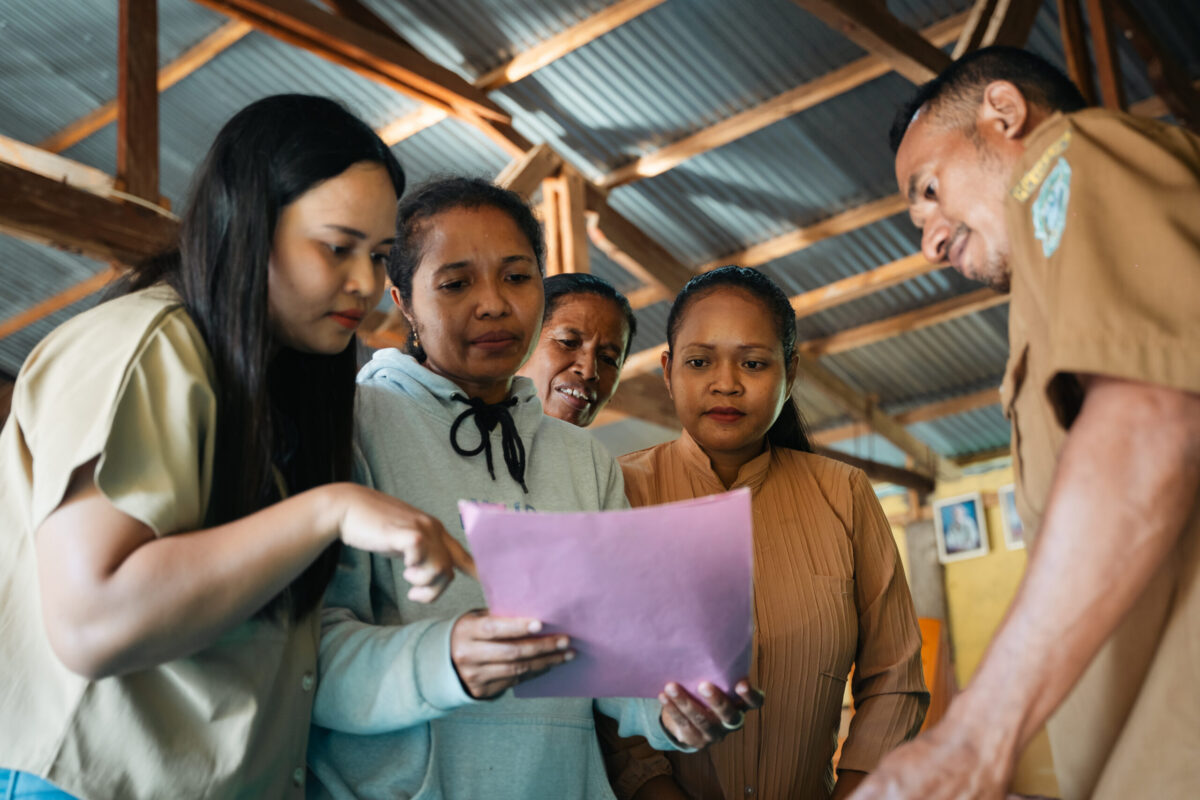
In August and September 2024, 50 healthcare workers from five hospitals and seven community health centers (Puskesmas) participated in training on APK services using the curriculum and standards of the Ministry of Health (Kemenkes). The training was conducted using a team-based approach, with each hospital or Puskesmas designating a team to serve as pioneers of APK services at their respective healthcare facilities.
Number of women who accessed APK services
March–December 2024
January–December 2025
January–June 2026
Healthcare workers’ confidence stems from having clearer knowledge and guidelines for treating patients who have had miscarriages based on their specific medical conditions. After the training, an increasing number of cases could be managed more quickly at primary-care facilities, as Dr. Devi did by using misoprostol. “At that time, the patient showed no signs of a medical emergency requiring the use of instruments, so the choice was to administer misoprostol,” she recalled.
Improving Service Management Through Standards
“Our SOPs, before we received guidance from IPAS Indonesia, were not comprehensive. After the guidance, the SOPs became standardized—for example, the use of antibiotics in this hospital is now consistent with that in other hospitals,” said Dr. Herwinda.
With clear and mutually understood procedures in place, the quality of care no longer depends on the individual practices of healthcare providers, but is supported by a robust and more consistent system.
The Community’s Role in Improving Services
Through a feedback mechanism, health facilities receive direct information about the barriers the community continues to face. One issue with APK services in South Central Timor is the long distance to the community health center (Puskesmas), which takes three to four hours by vehicle from the farthest villages. In response, health workers at the Puskesmas are training midwives to identify miscarriages that require emergency care and to determine when patients should be referred to the Puskesmas.
“If there’s a patient who has had a miscarriage in the village, the village health workers will examine her. Then, depending on whether there are any warning signs, if there are, she’ll be taken directly to the community health center,” Dr. Devi emphasized.
Changes to APK Services Tailored to Women’s Needs
When she experienced cramps and abdominal pain, she and her husband went to the community health center to get checked out. After being examined, she was given medication and sent home because she wasn’t bleeding. However, the pain returned. “I was already bleeding when I left home. So I thought I might be having a miscarriage or something, and when I went back to the community health center, the midwife and doctor confirmed that I had miscarried,” she recalled.
Arianti said she nearly had a miscarriage during her previous pregnancy. Her doctor had warned her that another pregnancy would be too risky and recommended that she undergo sterilization. However, at the time, she and her husband weren’t ready for that. Eventually, she did have a miscarriage.
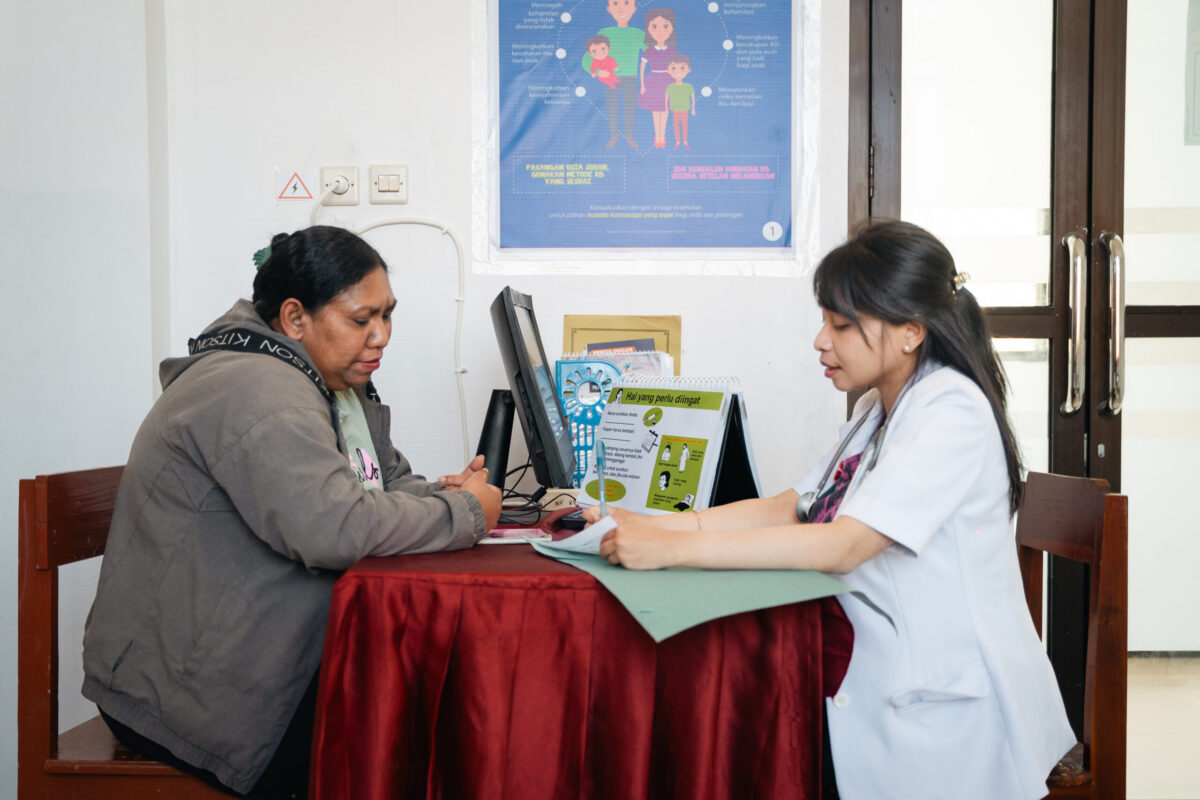
She shared her experience receiving APK services at the Oinlasi Community Health Center: “In my opinion, the APK services at the Community Health Center met my expectations. We were welcomed and treated well, and I was given a detailed explanation of my health condition.”
“When I was at the community health center, the doctor already knew I had a history of near-miscarriages. So the doctor offered me a method of contraception. We agreed on sterilization, so I was referred to the hospital to have the procedure done at the same time,” she said.
Experiences like Arianti Selan’s show that APK services are not just about managing complications from miscarriage. These services also include providing information, counseling, follow-up care, and support so that women can make informed decisions about their reproductive health.