
Within the Indonesian legal framework, the rights of victims of sexual violence to health care and recovery are guaranteed by a number of regulations. Law No. 12 of 2022 on Criminal Acts of Sexual Violence (TPKS Law) recognizes the right of victims to receive recovery services, while-Law No. 17 of 2023 on Health, Government Regulation No. 28 of 2024, and Minister of Health Regulation No. 2 of 2025 govern the provision of reproductive health services, including abortion services for victims of rape and other forms of sexual violence that result in pregnancy.
In addition, the(KUHP) also provides an exemption from criminal liability for victims who access such services in accordance with applicable laws and regulations, namely in cases of pregnancy resulting from rape or other sexual violence where the gestational age does not exceed 14 weeks, as well as in cases of medical emergencies.
However, despite these strengthened regulations, many victims still face obstacles in accessing the services to which they are entitled. Limited information, stigma, inadequate health facilities, and a lack of widespread understanding of how the services work often prevent victims from promptly receiving the care they need.
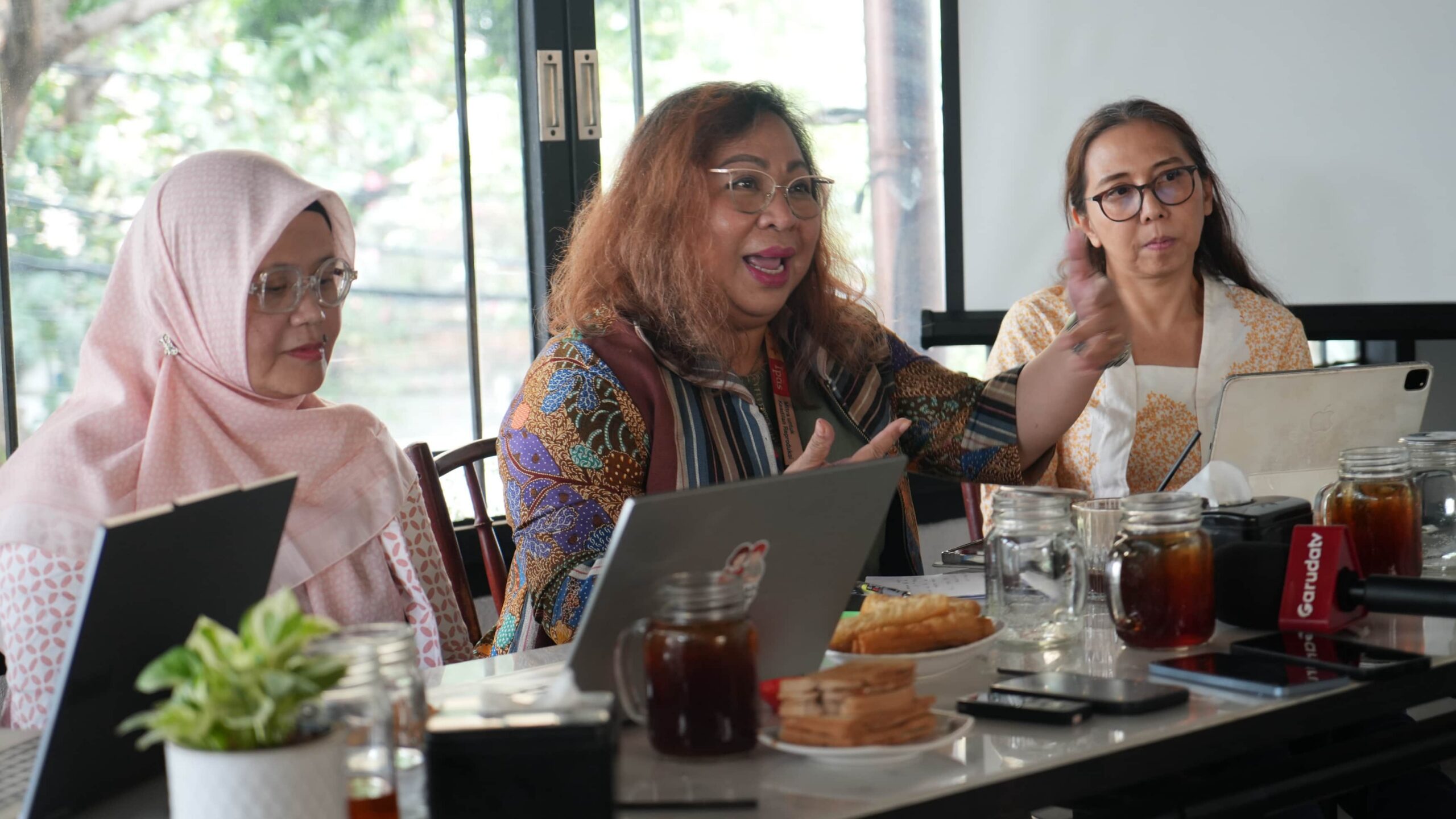
To strengthen public understanding of victims’ rights to health care and in observance of the International Day for Universal Access to Information and the International Day for Safe Abortion, the National Commission on Violence Against Women (Komnas Perempuan), together with the IPAS Indonesia Foundation, held a media briefing titled “Health Services for the Treatment and Recovery of Victims of Sexual Violence” on September 28, 2026, in Jakarta.
This event featured Yuni Asriyanti, Commissioner of the National Commission on Violence Against Women (Komnas Perempuan); Dr. Marcia Soumokil, MPH, Executive Director of the IPAS Indonesia Foundation; and Ferry Wira Padang, National Secretary Coordinator of the Service Providers Forum, to discuss policy developments, implementation challenges, and the importance of ensuring that every survivor can access available health services without stigma, discrimination, or administrative barriers. This media briefing was moderated by Devi Asmarani, Editor-in-Chief of Magdalene.co.
Yuni Asriyanti, a commissioner at the National Commission on Violence Against Women (Komnas Perempuan), emphasized that guaranteed access to services is a key element in ensuring victims’ rights are upheld.
“Healthcare workers and support staff need clarity regarding service procedures, referrals, and legal protection when performing their duties in accordance with regulations. As the pregnancy progresses, delays in information, documentation, or administrative processes can cause victims to miss the opportunity to receive safe care,” said Yuni.
Meanwhile, Dr. Marcia Soumokil, MPH, Executive Director of the IPAS Indonesia Foundation, emphasized the importance of the health care system being prepared to translate legal protections into tangible access for victims.
“We need not only regulations that protect victims, but also a service system that is ready to implement them. “Under current regulations, services must be provided by health care workers who possess specific competencies and authority. Therefore, investing in strengthening the capacity of health care workers is a crucial step toward ensuring that victims’ rights to reproductive health services are truly fulfilled,” said Dr. Marcia.
These challenges were reflected in data presented by the Ministry of Health at the International Women’s Day Media Roundtable organized by the IPAS Indonesia Foundation on March 12, 2026. At that time, the Ministry of Health reported that only 43 percent of hospitals and 60 percent of community health centers were capable of providing services for victims of violence.
Ferry Wira Padang, National Secretary Coordinator of the Service Providers Forum, emphasized that strengthening the understanding of healthcare workers—especially at the district and city levels—is key to ensuring that survivors do not face barriers again when seeking help. The government must ensure that healthcare workers possess the knowledge, a victim-centered perspective, and sufficient capacity to provide services appropriately, safely, and without discrimination, so that victims’ rights to health, protection, and recovery are truly fulfilled—not merely guaranteed on paper.
According to her, access to services depends not only on the existence of regulations but also on the readiness of field staff to understand the applicable service and referral mechanisms.
“The challenge is ensuring that healthcare workers—especially those on the front lines—understand their roles and responsibilities so that victims can promptly receive the services they need. On the other hand, victims must also be aware of their rights. Clear and easily accessible information is crucial, as every victim has the right to receive comprehensive information about available health care and recovery services,” Ferry emphasized.
Through this media briefing, the IPAS Indonesia Foundation hopes that more stakeholders—ranging from healthcare workers, support providers, policymakers, the media, and the general public—will understand the rights of sexual violence survivors to receive prompt, safe, and comprehensive healthcare services. Enhancing understanding, strengthening service capacity, and disseminating accurate information are considered essential to ensuring that every survivor can access the necessary services in a timely manner and undergo an optimal recovery process.
Contact Person:
Sabar Artiyono
Communications Specialist
IPAS Indonesia Foundation
[email protected]
About Yayasan IPAS Indonesia
Yayasan IPAS Indonesia is a civil society organization that is part of the Ipas Impact Network, a global network working to advance reproductive justice by expanding access to sexual and reproductive health services. Through a comprehensive approach that includes strengthening health systems, policies, and community support, Yayasan IPAS Indonesia works with governments, healthcare providers, and civil society organizations to ensure that everyone has the right to bodily autonomy and access to safe, quality, and dignified reproductive healthcare services.