
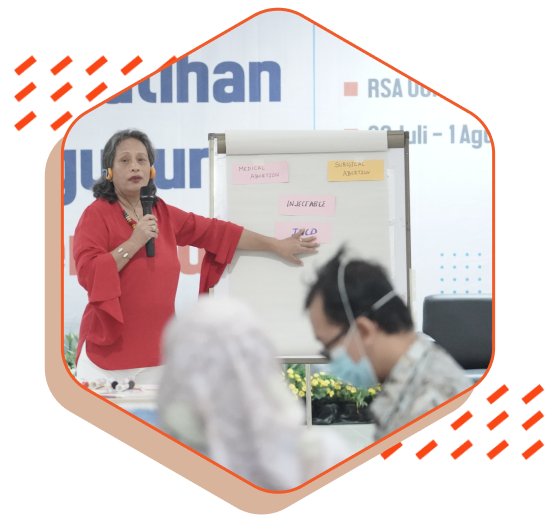
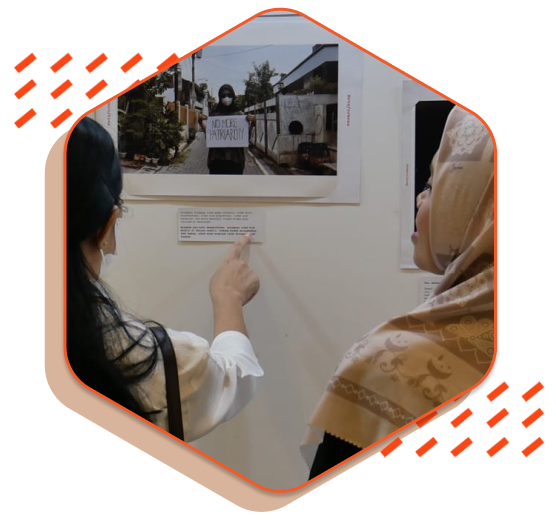
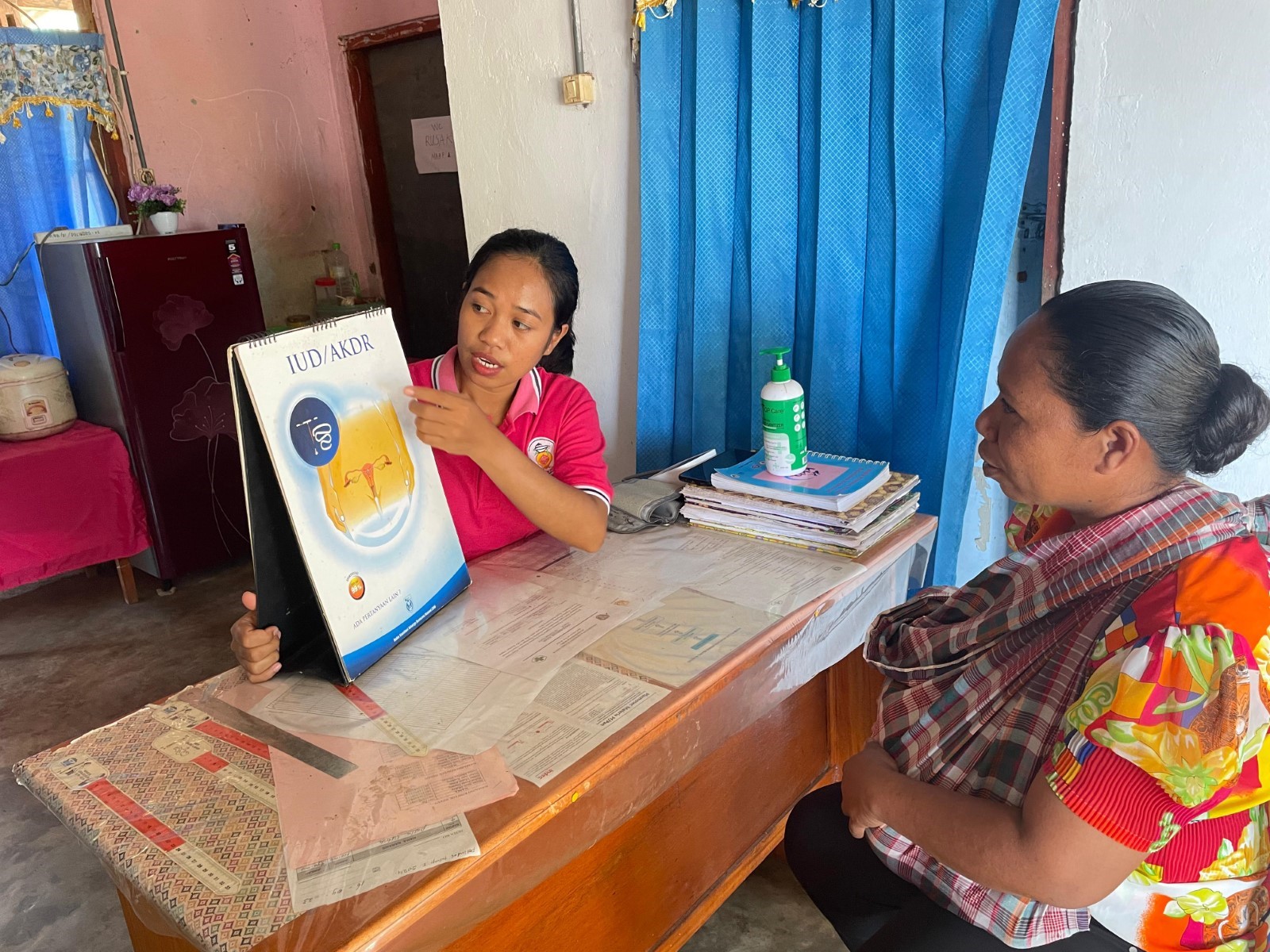

Reproductive healthcare services in Indonesia are not yet equitable due to economic and geographical disparities. Stigma and limited access to knowledge further worsen the situation.
Why Reproductive Justice?
Dampak kami sejak 2018
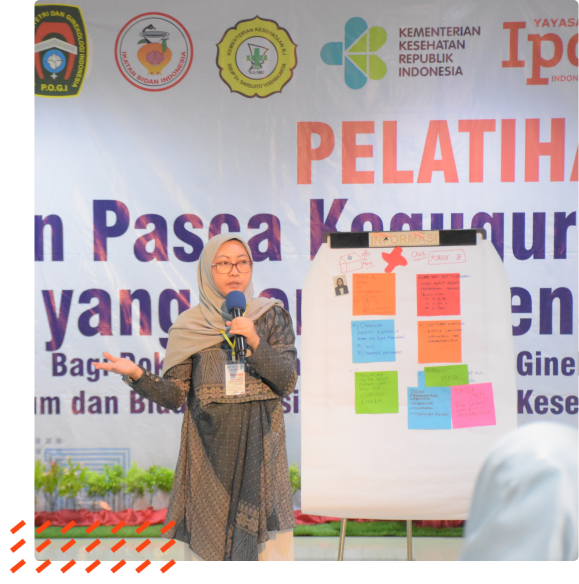
Provinsi memiliki pelatih Asuhan Pasca Keguguran
Pelatihan klinis
Penyedia layanan kesehatan terlibat
Peningkatan kapasitas
Perempuan akses layanan
Data per 30 Juni 2025.
Proyek Kekerasan Berbasis Gender dan Sekual (KBGS)
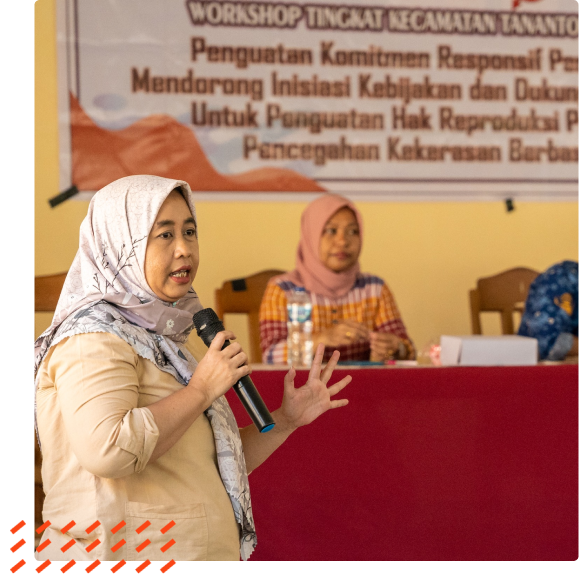
Orang mengakses informasi KBGS
Orang berpartisipasi dalam acara terkait KBGS
Key influencers terlibat
Kasus KBGS ditangani oleh mitra
Orang mengakses layanan
Data per 30 Juni 2025.
IPAS Stories & News

Writing Competition Announcement: International Women’s Day Commemoration
In commemoration of International Women's Day, the IPAS Indonesia Foundation held a writing competition with the theme Reproductive Justice for All: Advocating for Comprehensive Health Rights for Survivors of Sexual Violence. We have received 137 submissions, each...
Examining Miscarriage Services in South Central Timor Regency: between Access, Knowledge, and Geographical Challenges
Challenging geographical conditions coupled with low public awareness exacerbate the miscarriage situation in South Central Timor Regency (TTS). Dr. Kristina Lawung stated that three miscarriage patients visited her community health center between August 2024 and...
IPAS Indonesia Foundation Finalizes Cooperation Agreement with the Governments of Three Regencies for the CERAH Project
IPAS Indonesia Foundation, together with the Central Sulawesi Provincial Government, Sigi, Donggala, and Parigi Moutong Regencies, has completed the signing of a Cooperation Agreement (PKS) for the CERAH (Climate Emergency Reproductive Rights and Health) project. The...
Collaboration between IPAS Indonesia and AJI Kupang City: Ngabuburit and Discussion with Journalists on Health in NTT
To commemorate International Women's Day, the IPAS Indonesia Foundation collaborated with the Alliance of Independent Journalists (AJI) Kupang City to organize a gathering and focused discussion. The event, held on March 7, 2025, in Kupang City, focused on reporting...
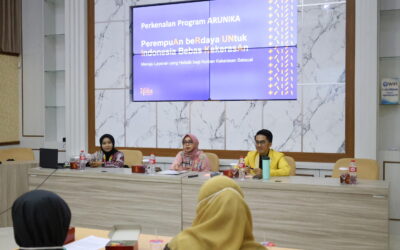
IPAS Indonesia Foundation Conducts Whole Site Orientation at 12 Health Facilities to Launch the ARUNIKA Project in Central Java
The ARUNIKA Project (Empowered Women for an Indonesia Free from Violence) was launched in November 2024. One of its objectives is to strengthen health services for victims of Gender-Based and Sexual Violence (GBSV) in three locations in Central Java: Surakarta,...
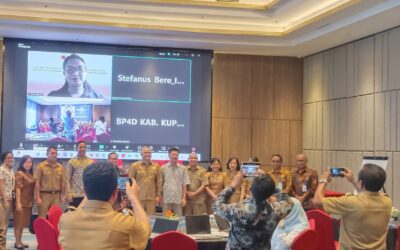
Multi-Stakeholder Collaboration to Plan and Budget Reproductive Health Programs in East Nusa Tenggara
The East Nusa Tenggara (NTT) Provincial Government has implemented several regulations to improve the quality of reproductive health. Among these is Regional Regulation (Perda) No. 2 of 2018 concerning the Regional Health System. This Perda regulates various aspects...
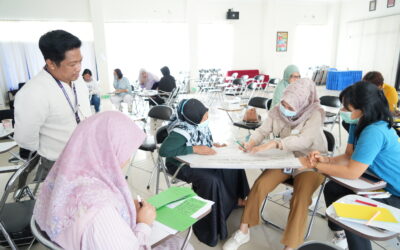
IPAS Indonesia Foundation Introduces CERAH Project in 13 Community Health Centers and 3 Regional General Hospitals Across Three Regencies Through Whole Site Orientation
The IPAS Indonesia Foundation conducted a Whole Site Orientation at 13 Puskesmas and 3 Regional General Hospitals located across Sigi Regency, Donggala, Parigi Moutong, Central Sulawesi Province, from January to February 2025.
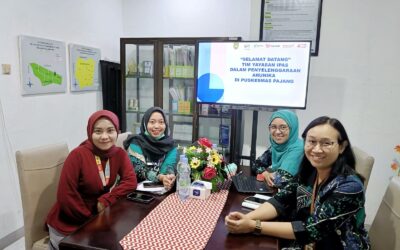
IPAS Indonesia Foundation Conducts Assessment of Healthcare Services for Victims of Violence in Central Java
Through the ARUNIKA program (Empowered Women for an Indonesia Free from Violence), the IPAS Indonesia Foundation conducted assessments at 12 health facilities in Central Java. This activity took place at ARUNIKA project locations in Surakarta, Sukoharjo, and Semarang....
Seven Achievements in one Semester: Reflections of the IPAS Foundation in the Mid-Year Review
The IPAS Indonesia Foundation held a mid-term review from February 10-14, 2025, in Bogor Regency, West Java. The purpose of this activity was to reflect on the extent of IPAS Indonesia's achievements in realizing Reproductive Justice. Additionally, this moment was...