
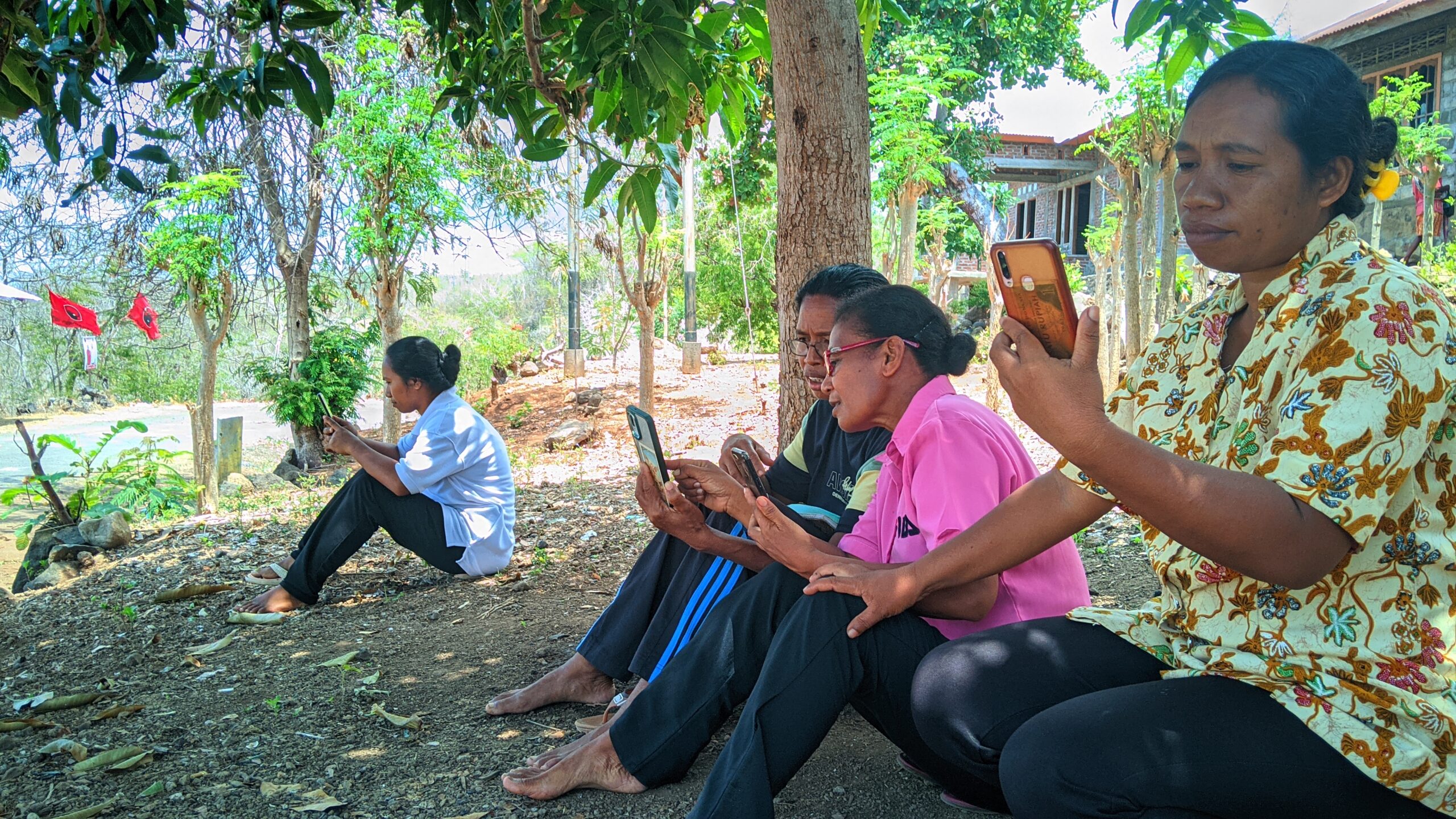
Through the TAKENUSA program (Joint Determination for Women of Nusa Tenggara), IPAS Indonesia (Initiative for Access Change Towards Health Foundation) launched a campaign on Reproductive Health via Interactive Voice Response (IVR) in 14 villages in East Nusa Tenggara. The objective of this launch is to enhance the understanding of village health cadres concerning Reproductive Health, specifically Family Planning (KB) and Post-Abortion Care (APK).
IVR is an automated telephone system that combines voice input and keypad selection. Simply put, to access information about reproductive health, cadres can obtain this information via mobile phone. The IVR service can be used without an internet signal. After pressing the phone’s keypad, reproductive health-related information or messages are then delivered in audio format. To explore further, cadres can press buttons according to the given instructions.
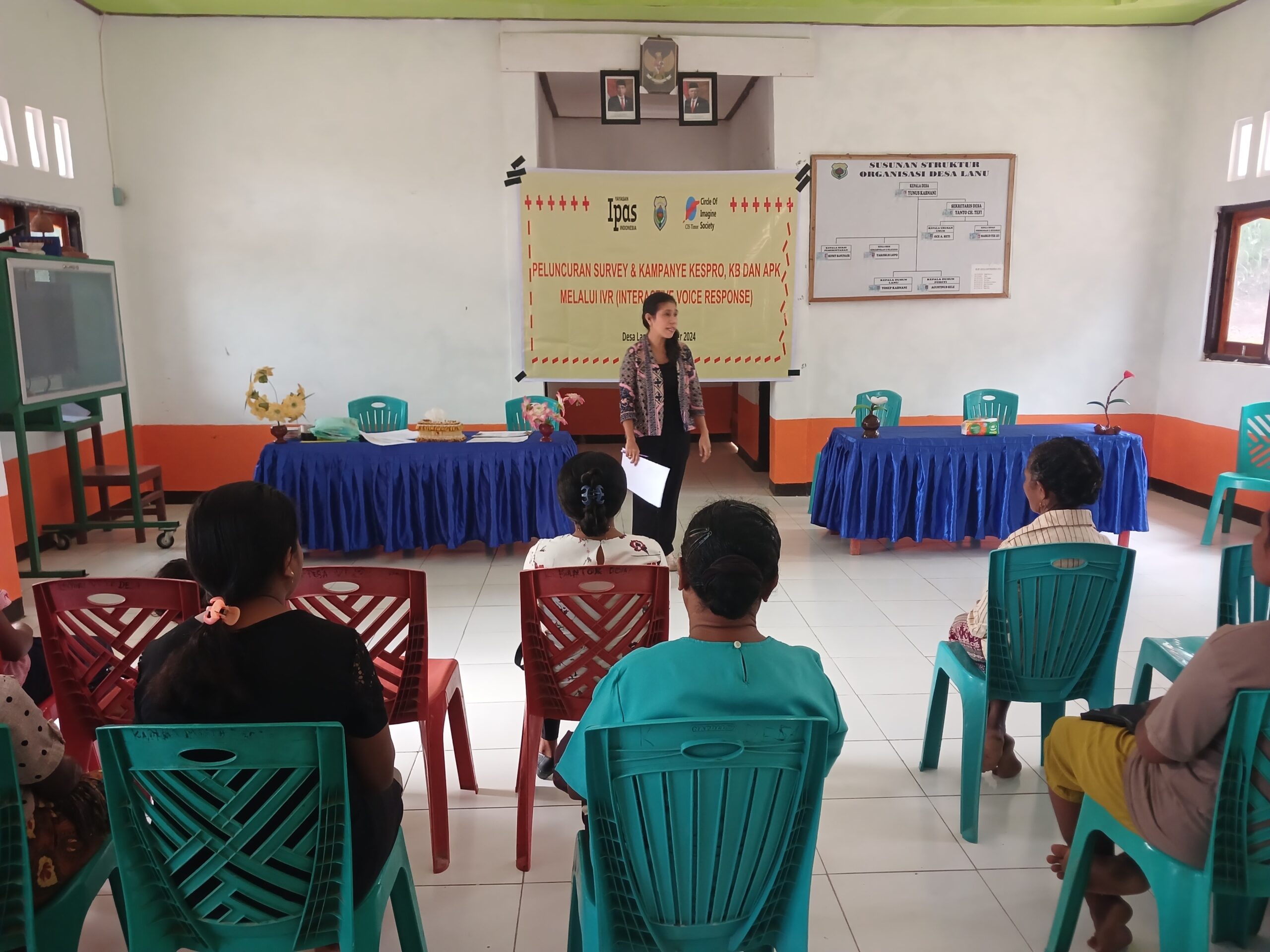
The IVR service will be piloted from October to December 2024, targeting 308 cadres in Kupang Regency, East Flores, and South Central Timor. To assess the improvement in cadres’ understanding of reproductive health, the IPAS Indonesia Foundation conducts surveys at the beginning, middle, and end. Between these surveys, cadres can access IVR as a learning medium.
A cadre named Mama Maria Tunliu (40 years old) from Sunu Village stated that this type of information medium is new to her. She is very pleased with this service. “Because we can now learn advanced methods. Previously, we only participated in face-to-face counseling, but this telephone call method is new. I feel grateful because it helps us progress,” said Mama Maria.
A similar sentiment was expressed by a cadre from Lanu Village, Mama Yance Tenis (39 years old). She added that she had previously received information about reproductive health from monthly meetings with TAKENUSA’s local partner, the CIS Timor Foundation. Additionally, there were several activities from the Community Health Center (Puskesmas), such as meetings at Posyandu.
“The obstacle is that meetings are held only once a month, causing us to forget, including reproductive health matters. Reproductive health information is new to me, so I don’t fully understand it, which is why meetings should be held more frequently,” said Mama Yance.
“This [IVR] is new, where we receive information from our mobile phones. However, we don’t know how to respond. We are afraid of making mistakes because, until now, meetings have always been face-to-face,” she added.
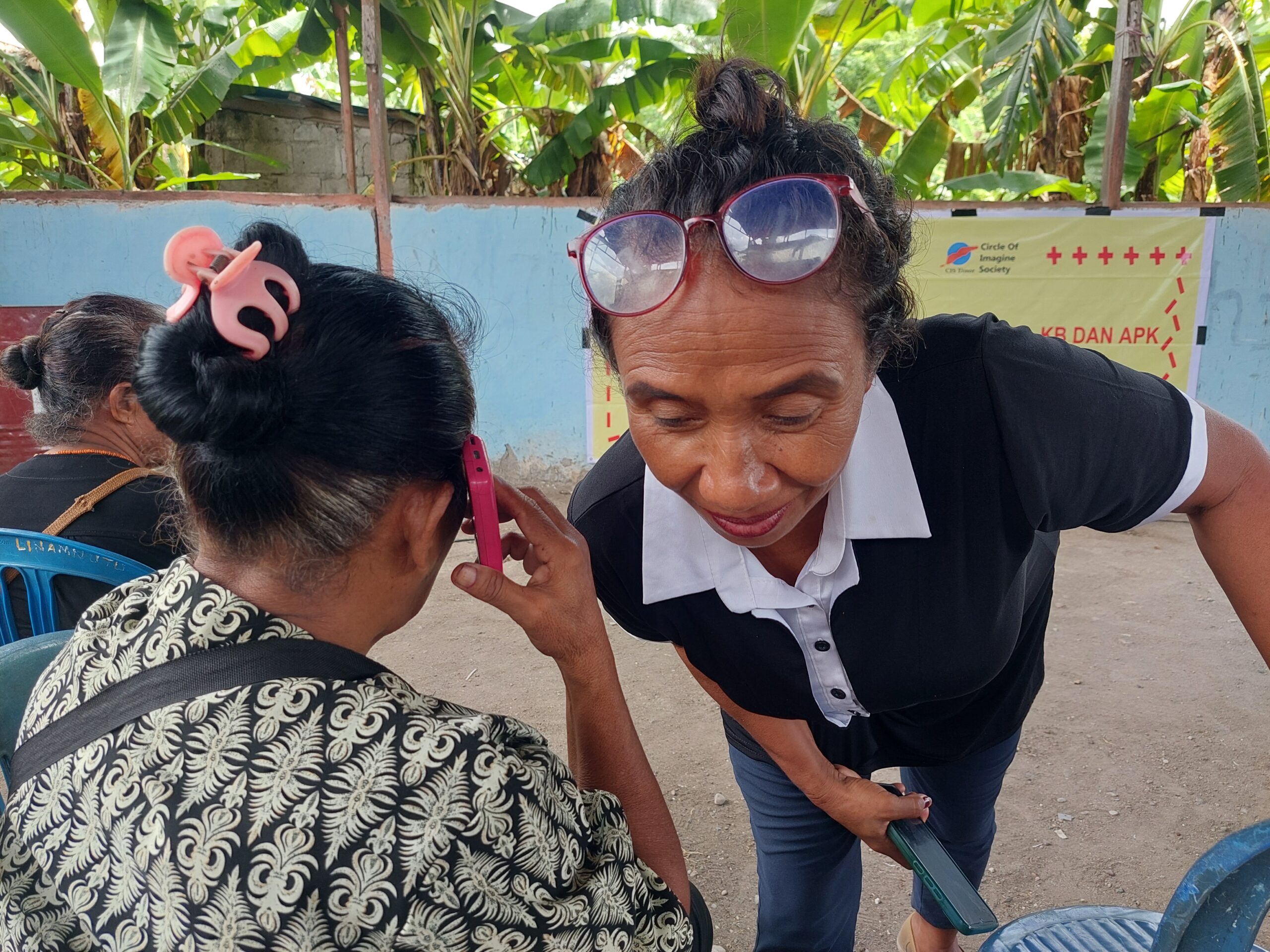
Margaritha Demang, also known as Itha, the District Officer for the TAKENUSA Program at the IPAS Indonesia Foundation, stated that the cadres were very enthusiastic about trying the IVR service. Nevertheless, some were apprehensive because it was their first time accessing reproductive health information through a telephone system.
“In Sunu Village, there were indeed delays due to rain. In this village, when it rains, the electricity usually goes out. Some cadres were worried that their phone batteries would run out. Furthermore, the signal in Sunu is not yet evenly distributed, so they had to find specific spots for a good signal,” said Itha.
Nevertheless, Mama Mari Tunliu hopes the service will continue. “So that we can progress further and expand our knowledge. We can even learn about advanced tools and information developments, so even though we are old, we can still keep up with current advancements,” she concluded.
Within the TAKENUSA program, cadres’ understanding of reproductive health is crucial to encourage women and adolescent girls to access services according to their needs and health conditions. With this IVR service, cadres are expected to access information about reproductive health from valid sources to educate the community.