

Carrying the theme “Shifting Paradigm for Future Society and Community”, the Asia-Pacific Academic Consortium on Public Health 2024 underscored the importance of revolution in various aspects of public health. The conference was held in Busan, South Korea, from October 23-25, 2024.
The IPAS Indonesia Foundation participated in the conference to share good practices from its Gender-Based and Sexual Violence (GBSV) project, highlighting how cross-sector collaboration can create real change in efforts to fulfill the rights of GBSV victims. On that occasion, Ignatia Glory, Advocacy and Policy Officer at the IPAS Indonesia Foundation, shared lessons learned from the DARE project, which was implemented in DKI Jakarta throughout 2021-2023.
The DARE project was conducted with the aim of creating an environment that supports the fulfillment of rights, especially healthcare services, for GBSV victims. In this project, the IPAS Indonesia Foundation collaborated with the police, healthcare providers, GBSV victim advocates, and networks, including fellow journalists.
One of the DARE project’s main interventions was the development and piloting of a Standard Operating Procedure (SOP) for handling GBSV cases, in collaboration with the Jakarta Metropolitan Police (Polda Metro Jaya – PMJ). The pilot conducted in 13 Police Resorts under PMJ showed significant improvement in the speed of referrals to healthcare facilities. “This new procedure enables victims to receive services more quickly and effectively,” stated Ignatia.
“At the conclusion of the DARE project, we conducted an evaluation to assess the extent of its impact, involving stakeholders engaged in the project. The findings from this evaluation are what I presented at this conference,” stated Igna.
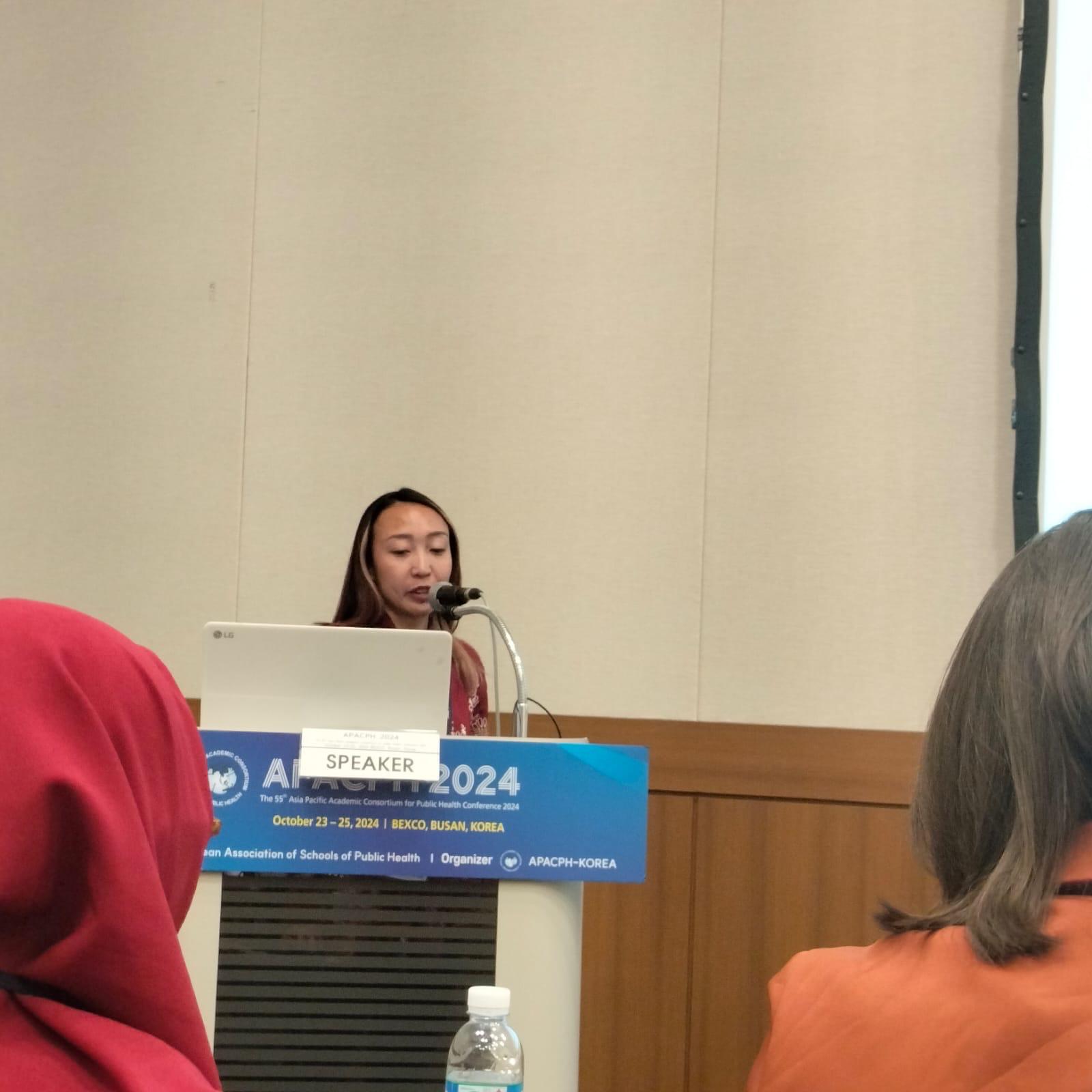
She added that the DARE project evaluation utilized the outcome harvesting method. This method involves an identification process to understand how the results of the project’s implementation align with the intervention’s objectives. Data analyzed using this method was obtained from focused discussions, in-depth interviews, and literature studies.
“The most significant change resulting from this project is the modification of GBSV handling procedures implemented by the police through the SOP introduced in the DARE project. With these procedures, referral services to healthcare facilities are expedited,” she emphasized.
Based on the lessons learned from this project, the police are advocating for the piloted SOP to be adopted as a national-level document.
Furthermore, findings from our evaluation indicate significant changes in knowledge and practice regarding the provision of healthcare services for victims of violence in several hospitals partnered with the regional police.
“These are the points I presented at this conference in Busan. The key message is that law enforcement agencies, such as police institutions, are crucial in fostering an environment that supports the fulfillment of GBSV victims’ rights. I believe it is important for fellow researchers to adopt and study this further within different contexts and settings,” she concluded.
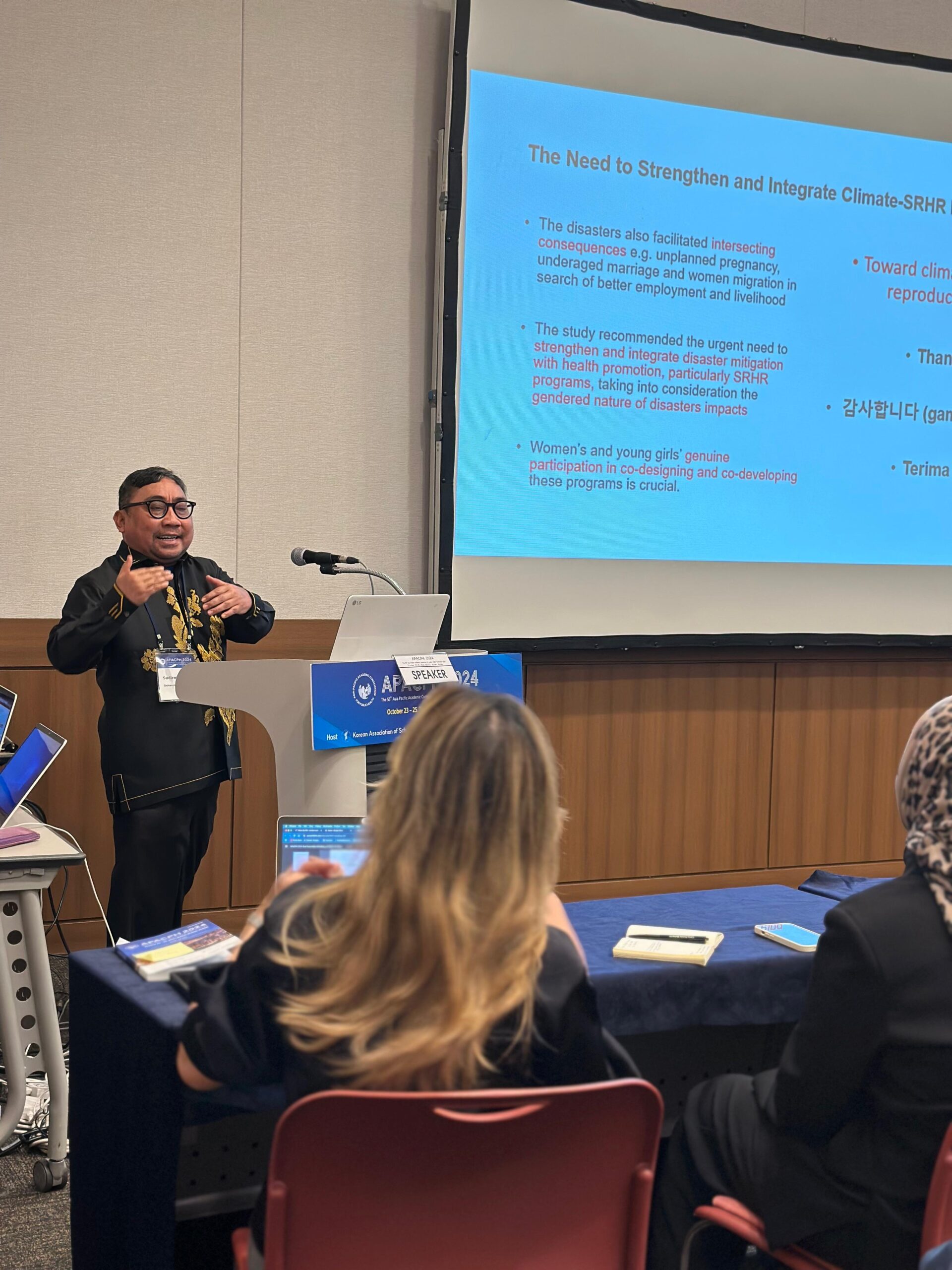
In addition to Ignatia, Sudirman Nasir also presented research findings from the IPAS Foundation, in collaboration with Hasanuddin University, on the climate crisis, titled Intersectionality of climate induced disaster and sexual and reproductive health and rights issues in Central Sulawesi. In his presentation, Sudirman highlighted the impact of the climate crisis on sexual and reproductive health, particularly for women and adolescent girls.