
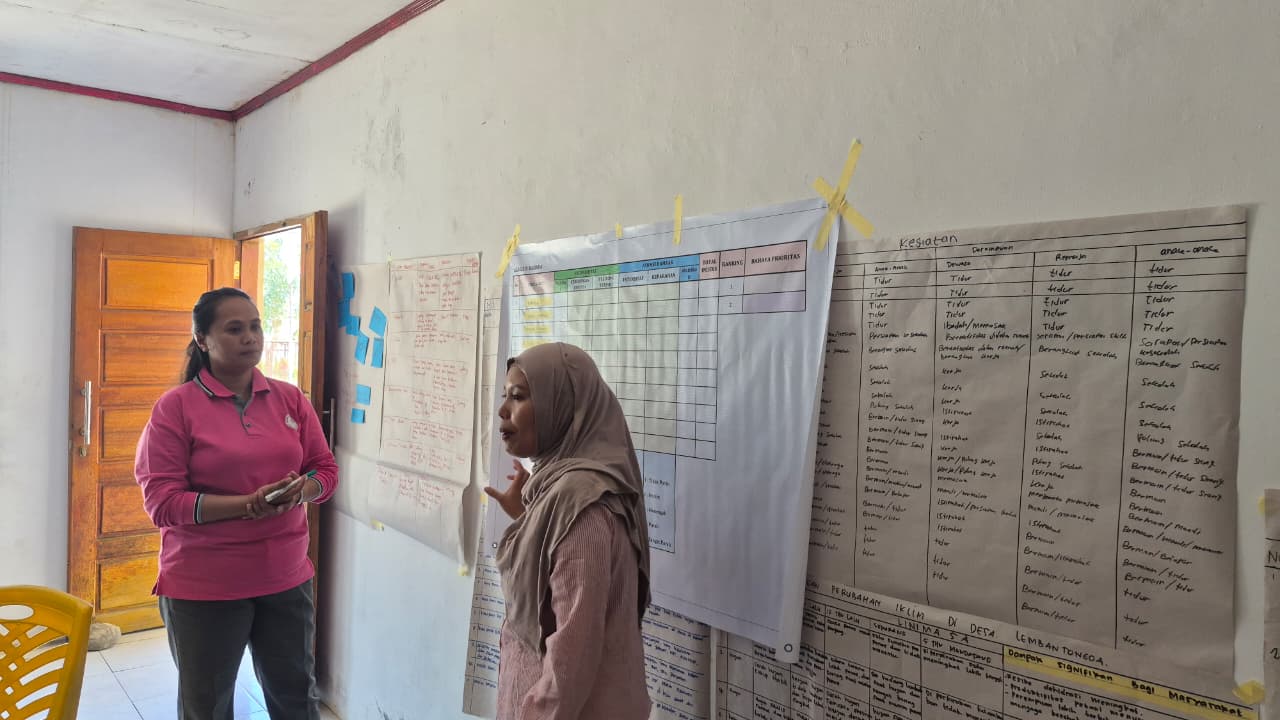
Through the CERAH Project, the IPAS Indonesia Foundation is working to strengthen the resilience of the health care system—both during disasters and under normal conditions—in three regencies in Central Sulawesi: Sigi, Donggala, and Parigi Moutong.
One approach that has been taken is to integrate the EWS into community health center services, as these are the health facilities closest to the community. In disaster situations, access to health services is critical and must remain available even amid limited facilities and resources.
This EWS capacity-building workshop was held in Sigi Regency on May 21–23, 2026, and involved four villages. A similar event was subsequently held in Donggala Regency on June 5–7, 2026, involving the same number of villages. Meanwhile, the workshop in Parigi Moutong Regency had to be postponed due to a 6.7-magnitude earthquake that struck Central Sulawesi on June 16, 2026.
This workshop addressed the various types of disasters that frequently occur in these villages through a risk-mapping process. In addition, community members were encouraged to identify available resources for developing an early-warning system at the village level. One example that emerged was the use of mosque loudspeakers as a means of disseminating warnings when a disaster strikes.
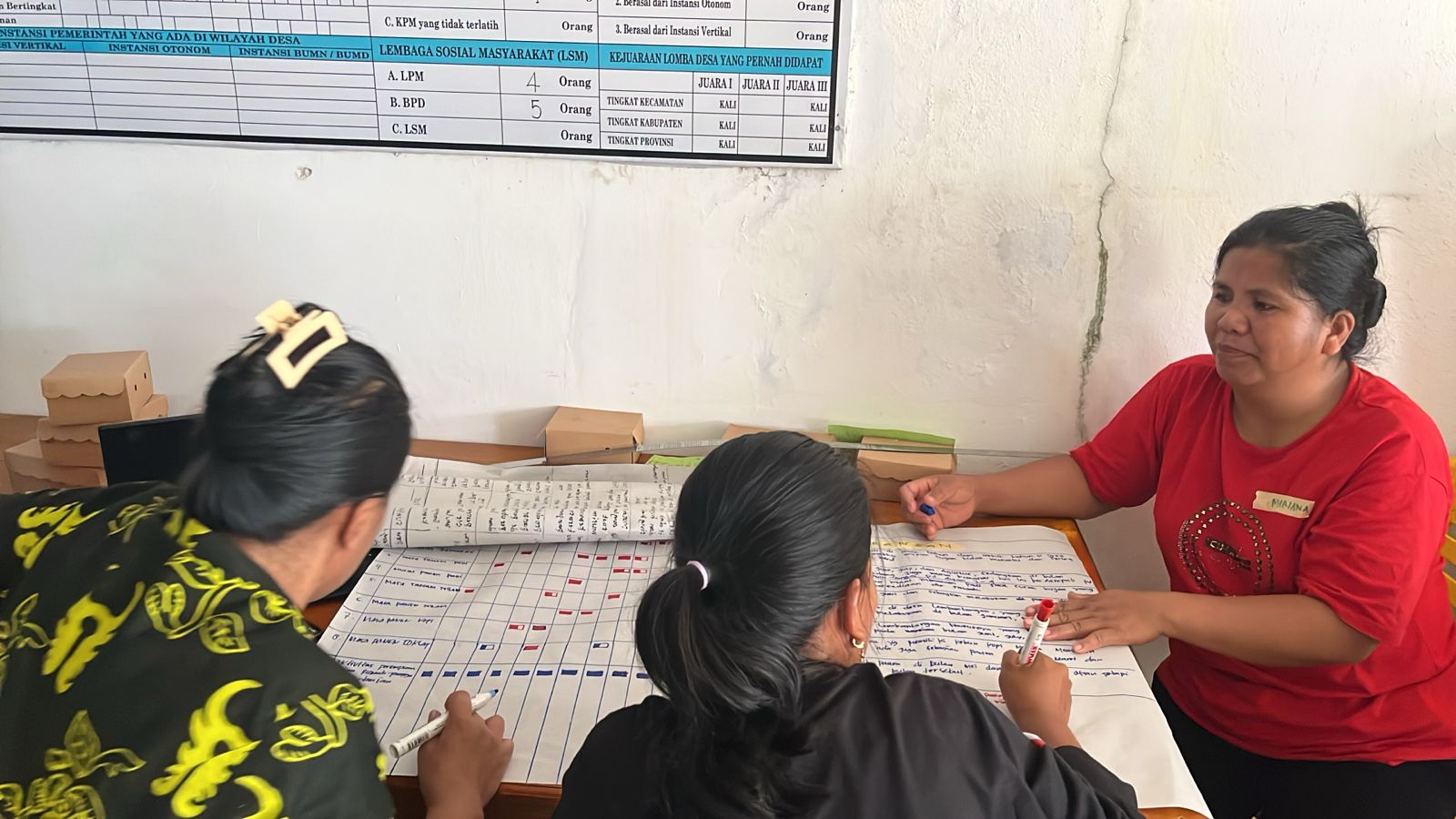
Dewi, a participant and resident of Tongoa Village in Sigi Regency, said she had only recently realized that her village is at a fairly high risk of flooding, especially during heavy rains. “We’ve come to realize that we shouldn’t litter because when it floods, the trash can be carried away and end up spilling into our neighbors’ homes,” she said.
Meanwhile, another participant, Melisa, felt that the workshop raised her awareness of the impacts of climate change that are beginning to be felt in her village. She believes this activity also strengthened the community’s knowledge of disaster preparedness.
“In the past, whenever there was an earthquake, we would run right away. After participating in this activity, we now know how to assess the situation and take the right steps before a disaster strikes,” he added.
This workshop is still in the early stages of developing an early warning system. Once the disaster risk mapping and resource identification processes are complete, community members will be guided in drafting EWS documents tailored to the needs and potential of each village. The next steps include testing the system, disseminating the test results, and discussing its integration with health services. Once all these processes are complete, the EWS documents will be finalized.