
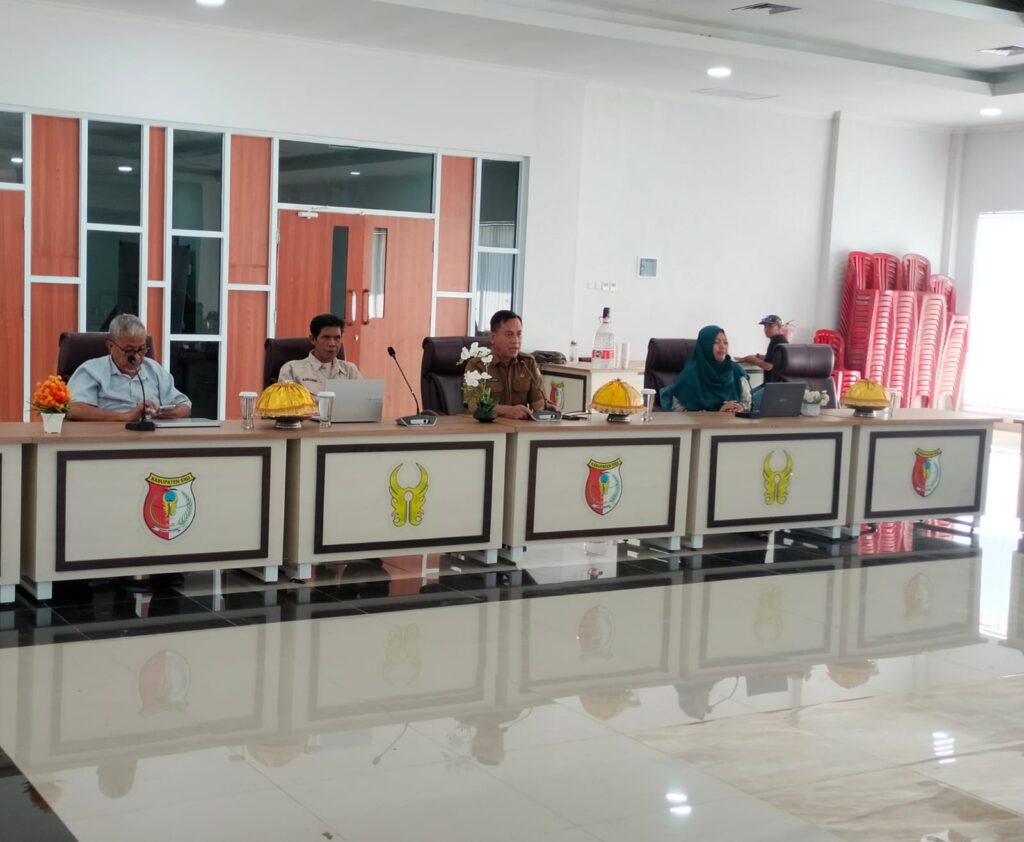
YMP Program Manager Ferra Rifni Nusa stated that this discussion was held to strengthen the understanding that climate change and reproductive health, especially for women, are two inseparable issues.
“For example, in disaster situations, women have difficulty accessing family planning (contraception) or even sanitary pads. Therefore, this discussion is important to unify understanding across sectors; if we talk about or discuss climate adaptation, we must also include the right to reproductive health,” Ferra emphasized.
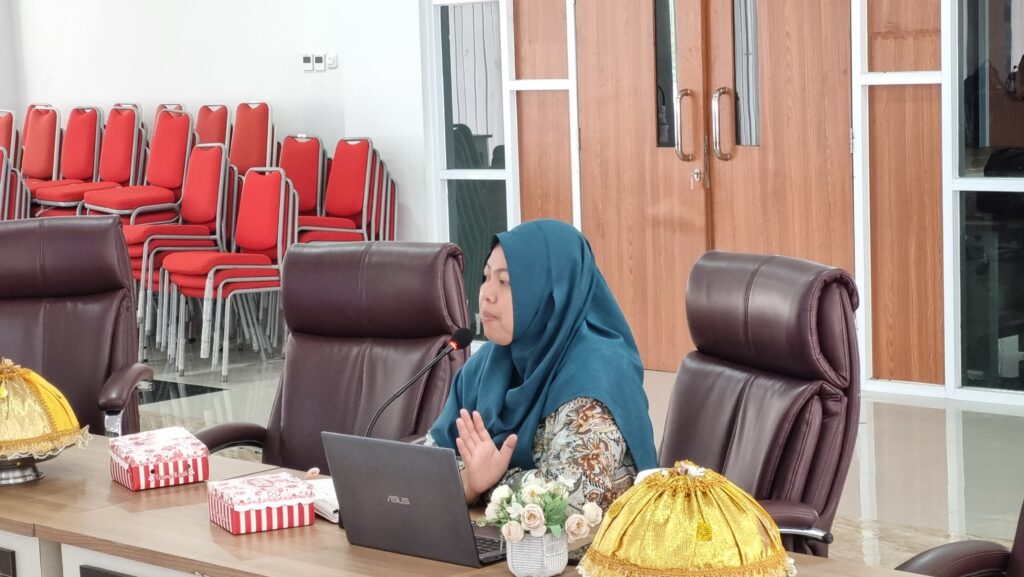
“So, how disasters, such as floods, droughts, and extreme temperatures, directly impact access to health services, especially for women and vulnerable groups. We also discussed gender-responsive services, challenges on the ground, and opportunities for cross-sector collaboration,” she added.
One of the participants, who is also the Head of Lembatongoa Village, Arman, stated that many people in the village, including himself, still do not understand both topics.
“But after it was explained, I understood that women are more vulnerable during disasters. So, I hope I can bring this up and start discussing it in village meetings; perhaps it can be included in future village programs,” he said.
Head of Public Health Efforts Division, Sigi Regency Health Office, Dr. Adheleide Krisnawati Borman, stated that the discussion served as a note for her agency to strengthen the integration between disaster management and reproductive health services.
“So, after this [discussion], perhaps what we can also do is integrate this data into community health centers (puskesmas). Furthermore, there is also DAK (Special Allocation Fund) which we mentioned earlier, that can actually be accessed specifically for health socialization and for issues related to reproductive health and its connection to the climate crisis; it should also be possible to use that for education,” she said.
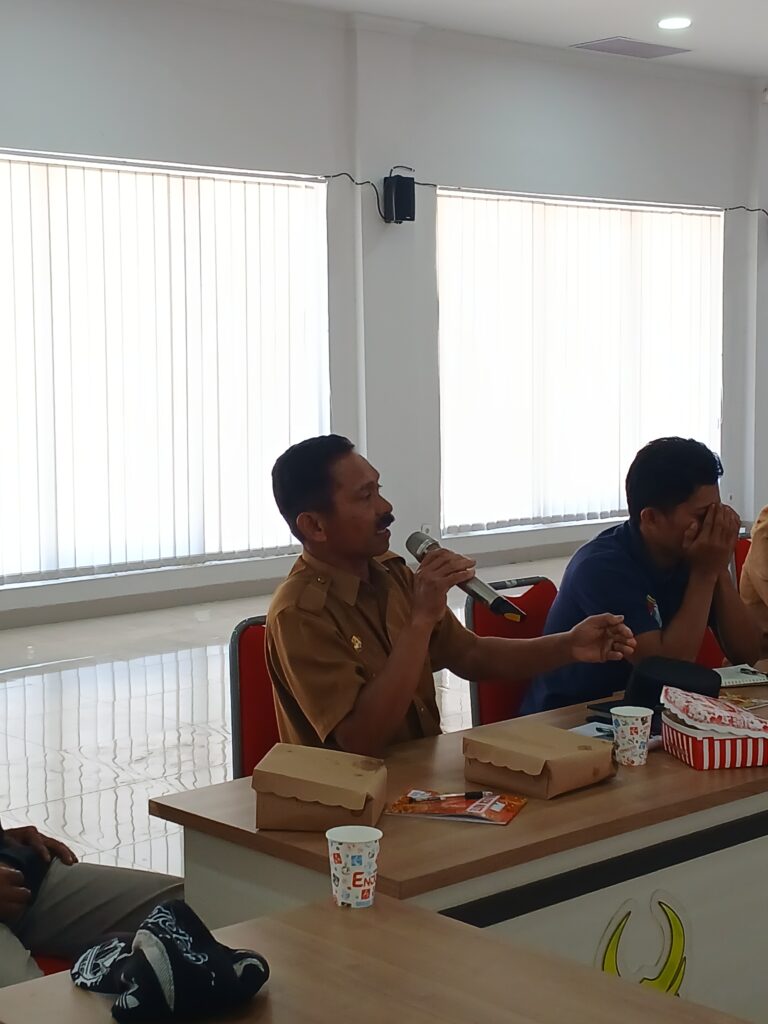
Sigi Regency is an area vulnerable to disaster threats, including climate crises such as floods, flash floods, extreme weather, earthquakes, droughts, liquefaction, and landslides.
In November 2024, IPAS Indonesia Foundation, in collaboration with the government, local partners, and the community, initiated the CERAH project. The goal of this project is to enhance the resilience of primary health services, especially reproductive health services such as contraception, both during disaster situations and otherwise.