
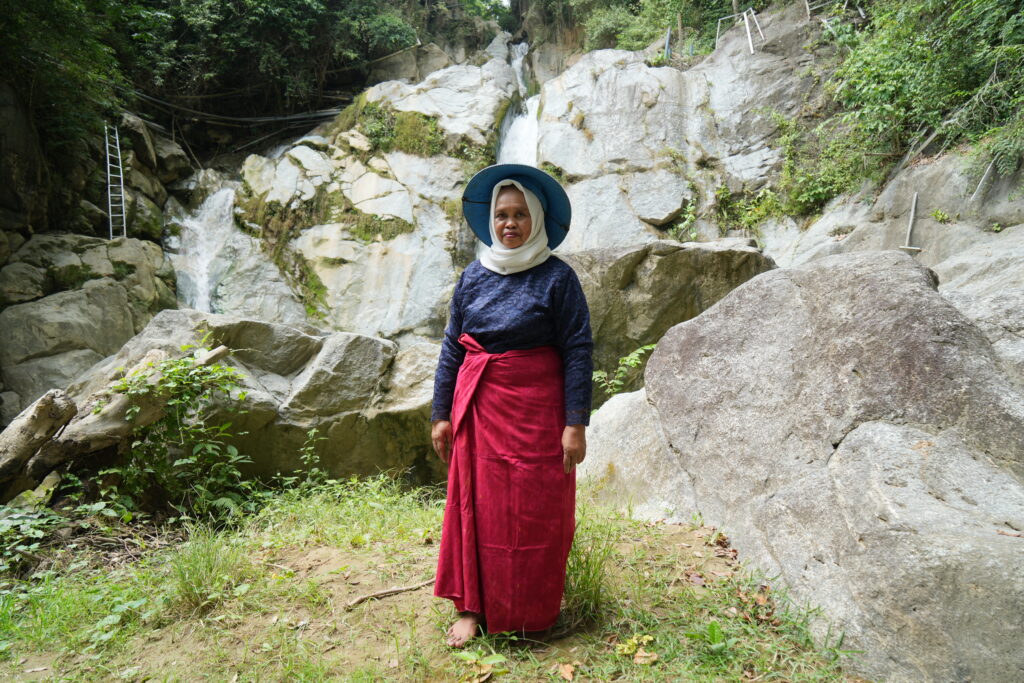
This is the story of Hilda, a woman from a village in Sigi Regency, Central Sulawesi. This story illustrates how Hilda, along with other women, worked hard to advocate for SRHR needs within the context of disasters. After a 7.5 magnitude earthquake struck their village in 2018, this community has continued to face various climate change-related disasters, including floods.
“When a disaster occurs in this village, women’s needs are actually not given much attention. People only think about general needs. There is a significant lack of clean water and sanitary pads for women and adolescent girls,” Hilda explained.
Through the CERAH (Climate Emergency, Reproductive Rights and Health) project, Yayasan Ipas Indonesia partners with a local organization, Yayasan Merah Putih (YMP), to strengthen the capacity of women to lead resilience efforts, specifically in ensuring access to SRHR during disasters.
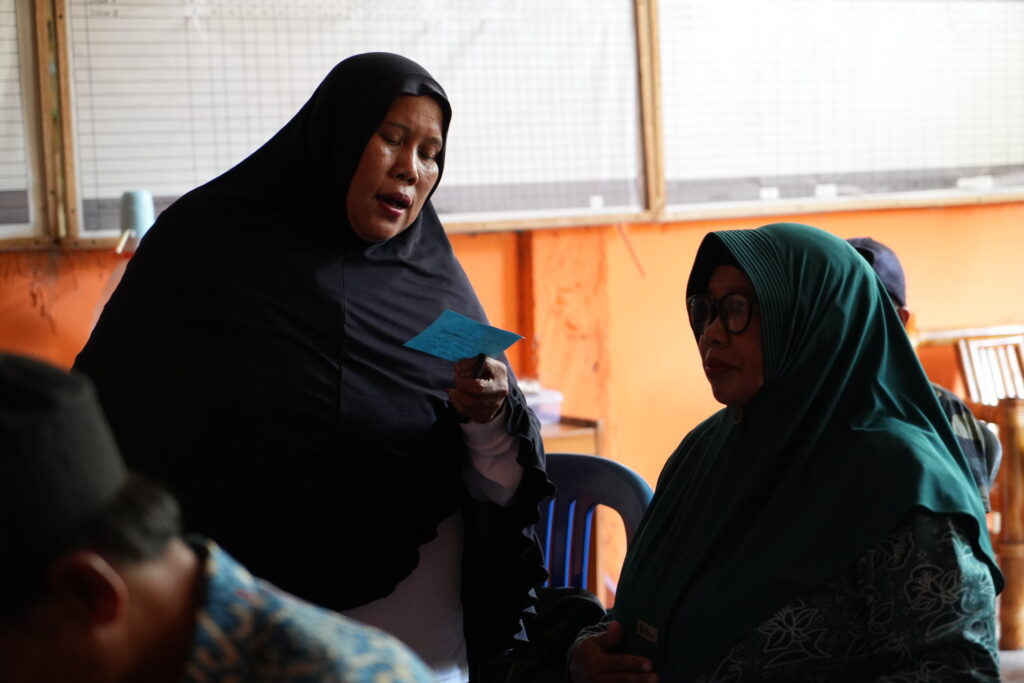
The Lack of Gender-Sensitive Disaster Response Planning in the Use of Village Funds
One of the village heads, Ludin, stated that his village receives approximately IDR 25,000,000 per year for disaster-related needs. However, he admitted that there was no clear plan regarding how those funds should be used. To date, the funds have often been used incidentally, for example, to assist sick residents.
“If a fire occurs, we use those funds to help the residents. Or when this village is affected by floods and assistance from the district government has not yet arrived, we use the funds to provide aid such as rice and basic necessities,” he said.
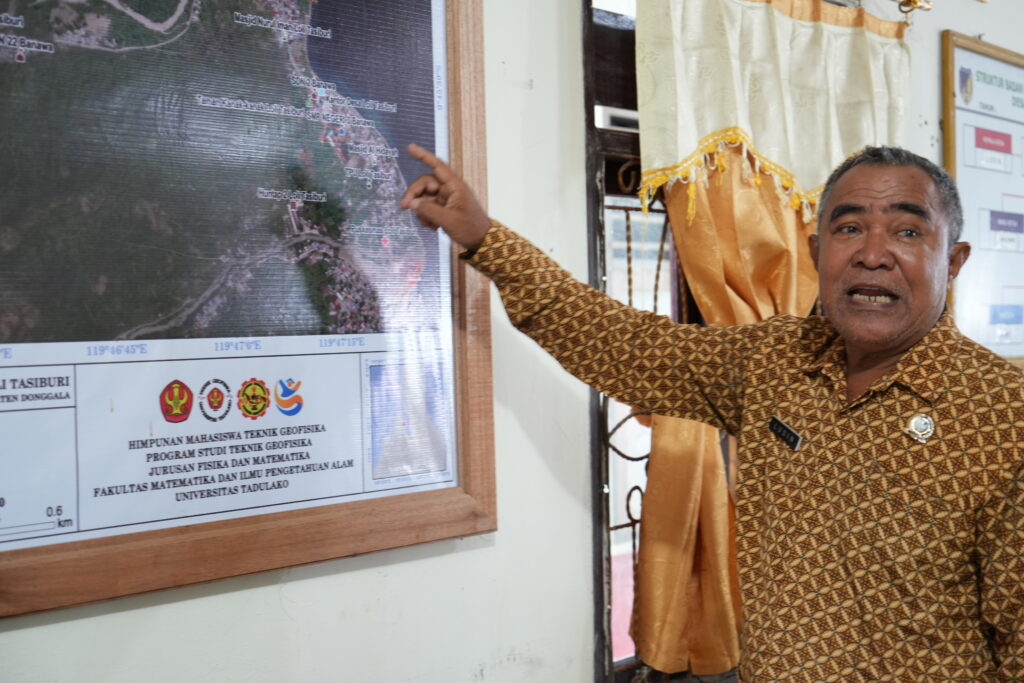
He also admitted that he had not specifically planned the allocation of disaster funds due to limited knowledge.
“Now I am interested in allocating these funds, especially for women’s groups, after participating in the CERAH program and awareness-raising sessions. Women then came and expressed their needs, and that is when I began to understand those needs,” he said.
Village Funds as an Opportunity
Hilda and the women’s group view this situation as an opportunity. She is one of the women who directly conveyed their needs to the village head, while also being involved in the village fund planning deliberations.
“Actually, the village government does not close the door to the use of village funds. The problem has been that women have not spoken up. We became brave enough to express our opinions because we now have knowledge about disasters and SRHR from YMP’s activities,” she said.
Hilda’s story shows that change does take time, but it always begins with the courage of women to speak up. By conveying their needs and engaging in village discussions, women are slowly ensuring that their voices are heard in disaster planning.