
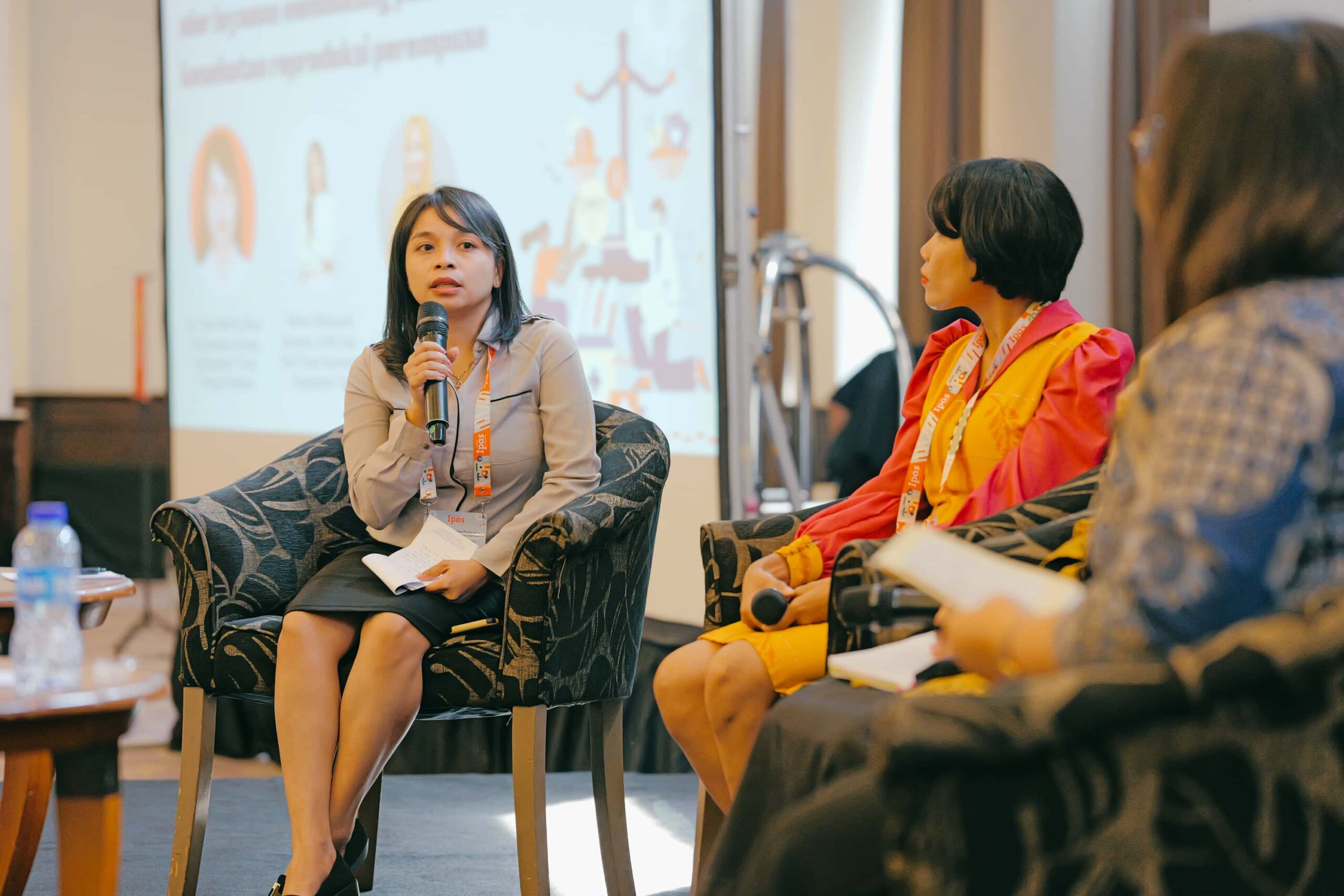
More than 60 health workers and puskesmas medical personnel, representatives of health offices and districts/cities from four provinces (Maluku, Central Java, Central Sulawesi, and East Nusa Tenggara) gathered to strengthen knowledge on how primary health care supports the fulfillment of reproductive justice for women and adolescent girls in Jakarta on May 20-21, 2026.
In this meeting, participants shared, learned, and exchanged ideas about good practices on reproductive health services, especially those related to comprehensive post-natal care, contraception and family planning, health services for victims of violence against women and children, and reproductive health for adolescents.
LThese services are very important because of the high angka kmortality imothers in Indonesia. Available at 144 deaths per 100,000 live births based on the results of the 2025 Inter-Census Population Survey (SUPAS).. Then, one in four women have experienced violence in their lifetime. Seother than that, the quality of reproductive health services is uneven in Indonesia. Snationwide only about 60% of health centers are able to provide services for victims of KtPA. Kgeographical conditions eastern Indonesia more difficultso thatthe role of puskesmas is important to bring these services closer.
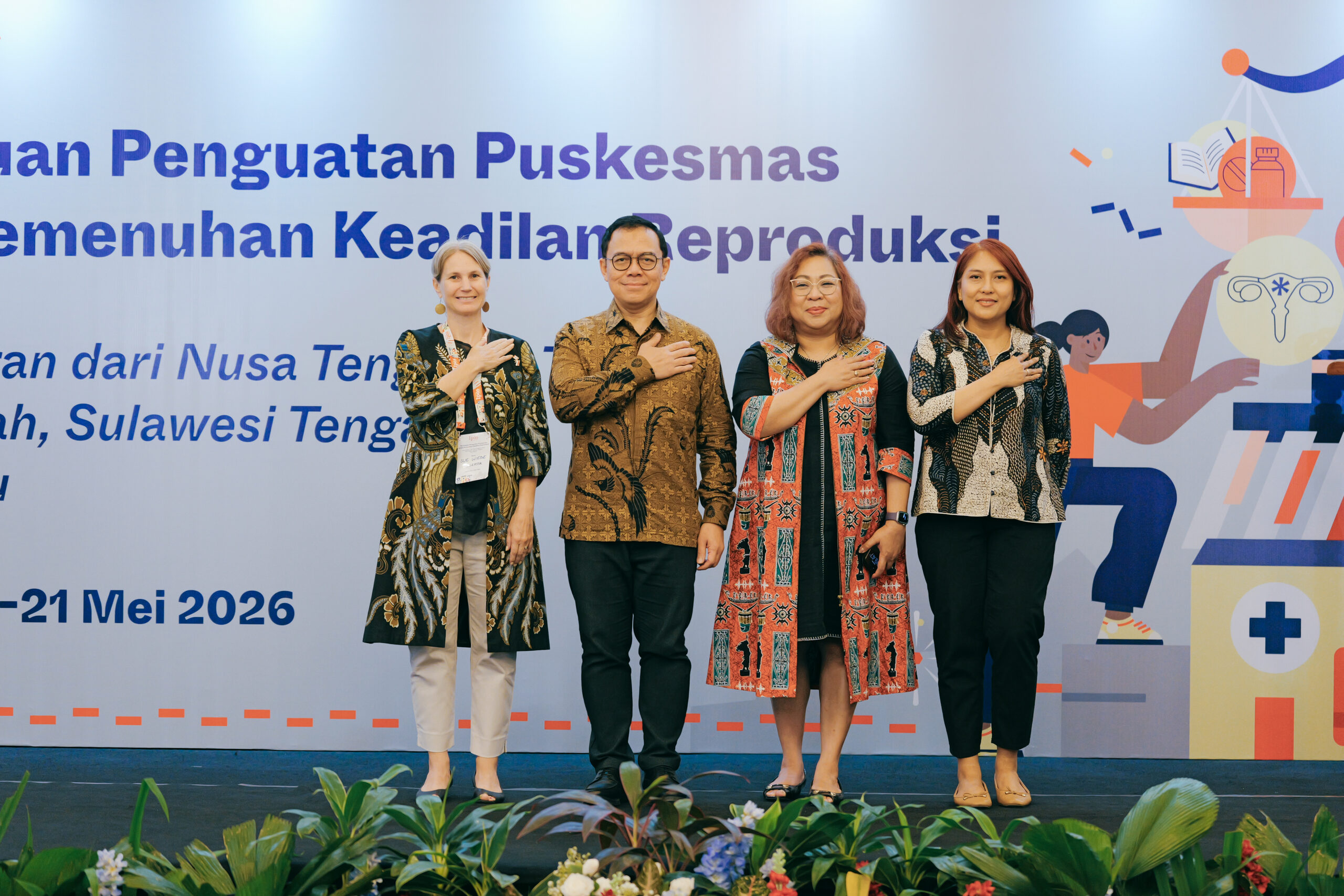
Director of Vulnerable Group Health Services of the Ministry of Health, Dr. Imran Pambudi MPHM emphasized, “Puskesmas is a primary service, the frontline when people, especially women, get information related to their health. Starting from pregnancy, childbirth, to postpartum, the puskesmas is at the forefront of services. So we need to ensure that frontline services can provide quality services, so that people who visit or need health assistance can be treated immediately.”
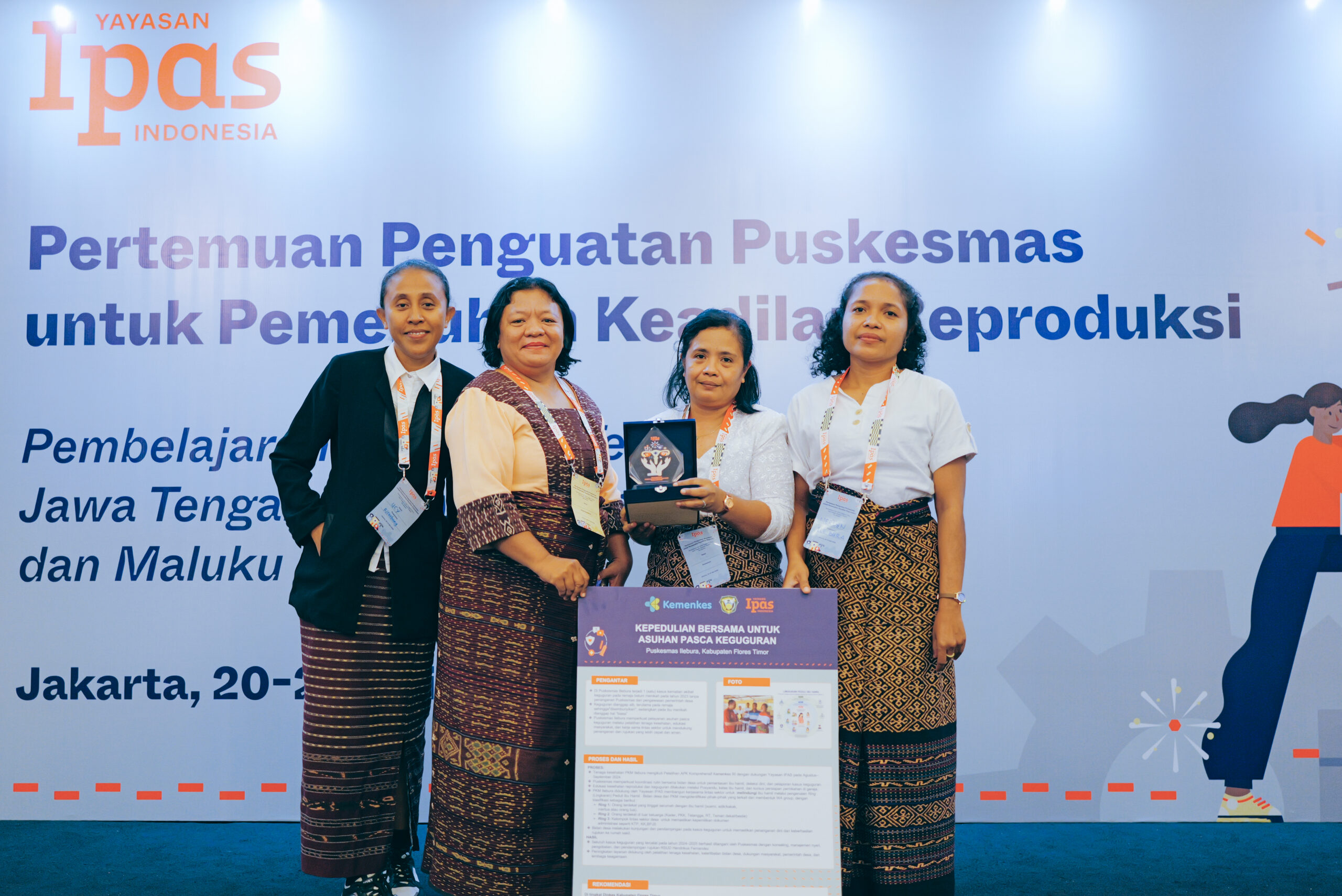
In one of the sessions of this activity, the Midwife Coordinator of Panite Health Center, South Central Timor District, NTT Province, Rony Damaris Dethan, S.Tr.Keb, said that health centers have an important role in providing referrals for APK services. For context, NTT is one of the provinces with the highest maternal mortality rate.
“Through stronger referral coordination and simple communication such as WhatsApp, we ensure women get fast, safe and sustainable treatment, while reducing access barriers. Women who experience miscarriages are also accompanied by cadres with village support during the referral process, to reduce barriers such as distance, cost, and access to information,” said Midwife Rony.
Coordination was an important point emphasized in this meeting. Siti Aminah Yanwarin, SKM as a representative of the Central Maluku Health Office conveyed her impression, “Activities from the IPAS Indonesia Foundation help build coordination networks with the Ministry and cross-sectors. We also gained insight into the Adolescent Care Health Services (PKPR) program which is closely related to KtPA, especially for adolescent girls. After this meeting, we will coordinate and ensure that all cases of violence can be reported, even if the patient does not come directly to the health center. We will also re-socialize and improve PKPR programs in schools.”
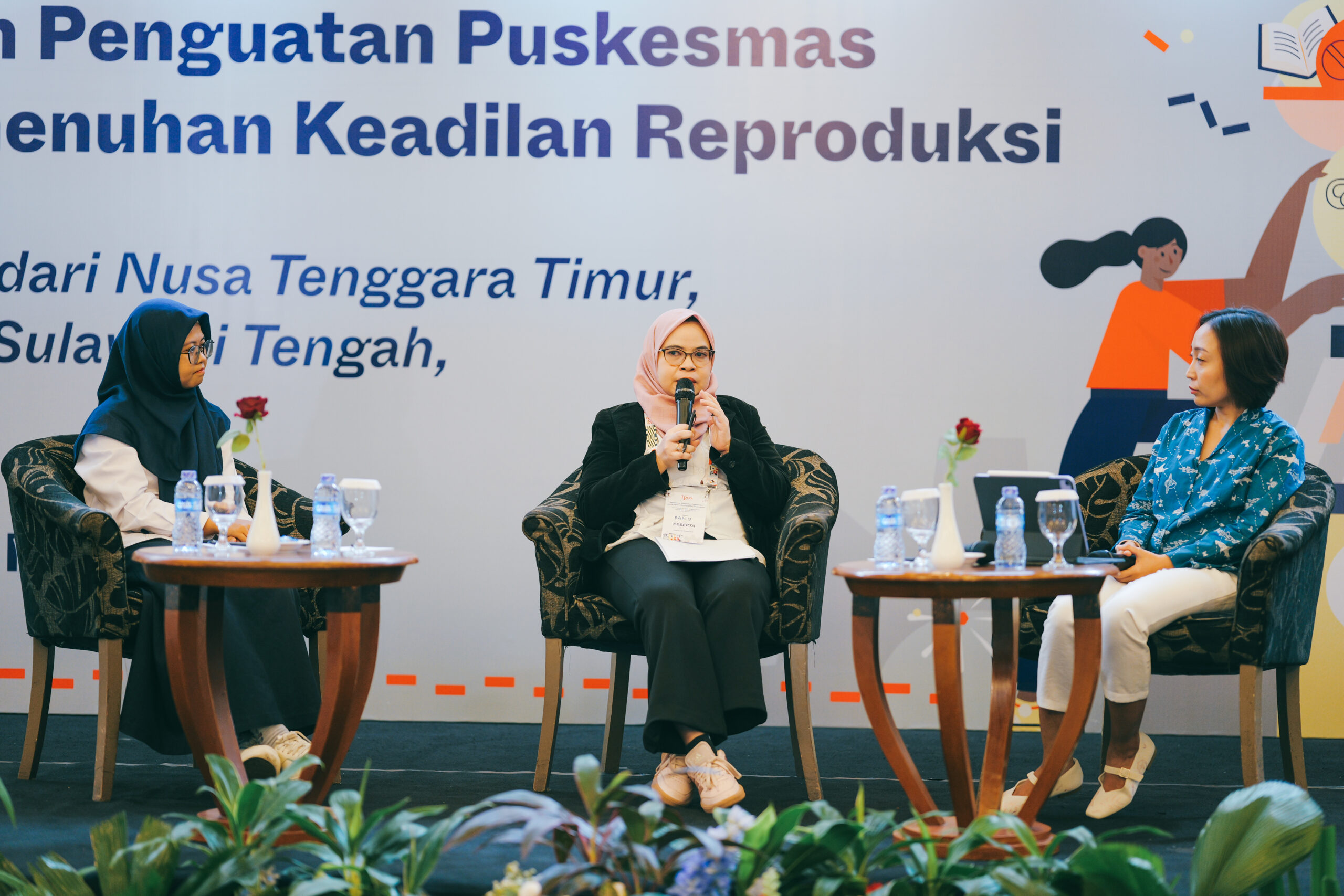
For IPAS Indonesia Foundation, this meeting is very important because since 2023, IPAS Indonesia has been working with the central government, local governments, health care facilities, professional organizations, and civil society to improve the capacity of health workers and health care facilities as well as public awareness to access health services.
Executive Director of IPAS Indonesia Foundation, Dr. Marcia Somuokil, MPH said, “Strengthening reproductive health services needs to start at the primary care level such as safer counseling spaces for women at puskesmas, and midwives and health workers able to provide empathetic and stigma-free services. When primary care becomes more inclusive, responsive, safe, and women-centered, we are not only strengthening the health system, but also strengthening the dignity, safety, and future of Indonesian women and girls.”
***
Contact
Sabar Artiyono
Communications Officer
Yayasan IPAS Indonesia
Email: [email protected]