
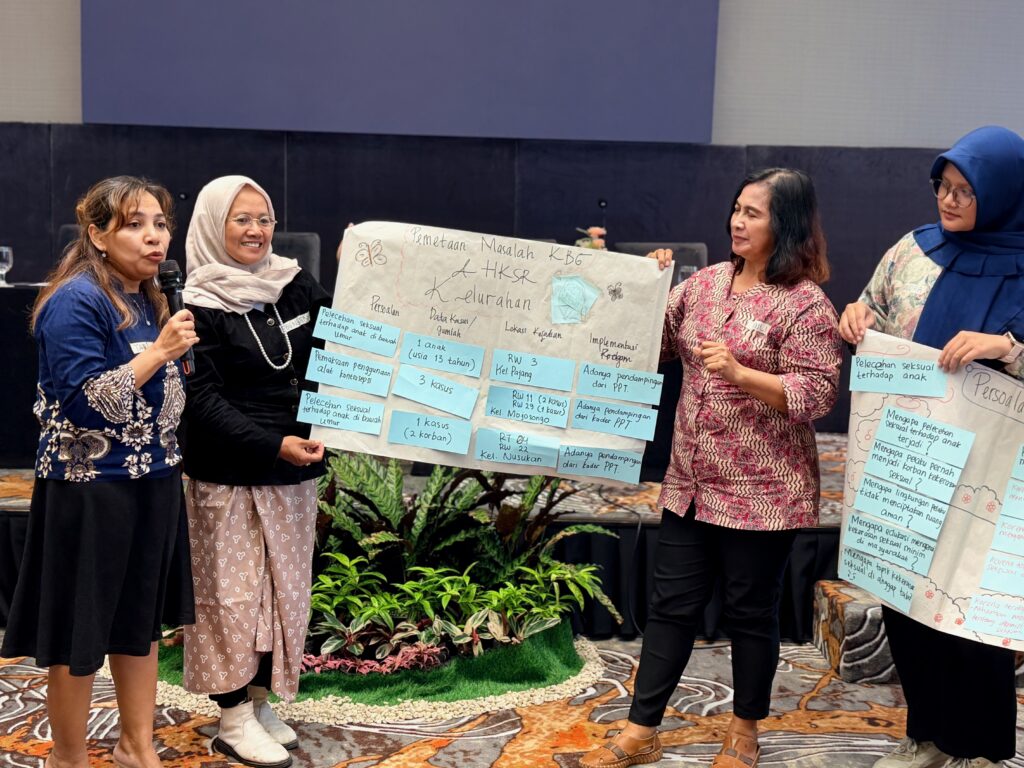
Salatiga, Central Java — Advocacy is a crucial step in efforts to address cases of Gender-Based and Sexual Violence (GBSV). Through advocacy, communities can foster an environment that supports victims and survivors, particularly in terms of policy and funding, so they can safely and fairly access their rights.
Based on this need, Yayasan IPAS Indonesia organized an advocacy training for ARUNIKA (Empowered Women for an Indonesia Free from Violence) cadres/activists in Central Java. The activity was attended by 27 participants (25 women and two men) and took place in Salatiga on February 4–5, 2026. Participants came from various backgrounds, ranging from village representatives, youth, to representatives of women ulama.
This training aims to strengthen community capacity in conducting effective and needs-based advocacy in the field. Facilitator from Yayasan SPEK-HAM Surakarta, Nila Ayu, emphasized that community voices hold a strategic position in driving policy change because they stem directly from the experiences of the community in accessing GBSV services.
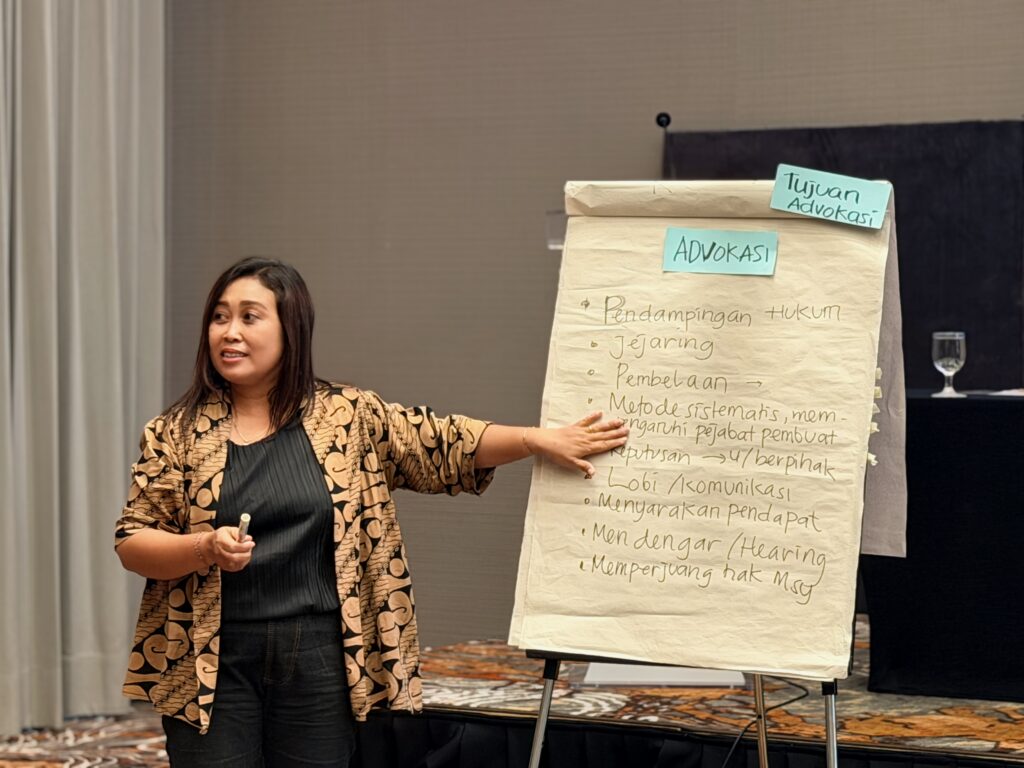
“Communities have started providing assistance to support survivors of gender-based violence against women and adolescent girls. Ensuring the fulfillment of victims’ rights requires policy, program, and budget support from both village/sub-district and city/regency governments,” said Nila.
In this training, participants learned various advocacy strategies, including how to lobby stakeholders such as village and sub-district governments. Participants were also equipped with skills to formulate strong policy recommendations, as well as techniques for conveying aspirations through storytelling to make advocacy messages more easily received.
The benefits of the training were directly felt by the participants. Sarah, a representative from the Justitia Arunika Community, stated that the training helped her understand advocacy work in a more structured and systematic way.
“After this training, what we will certainly do is put it into practice. In our community, we may not have been systematic so far. After receiving material from this training, we now know the steps we need to take and how to approach both government and private parties,” Sarah added.
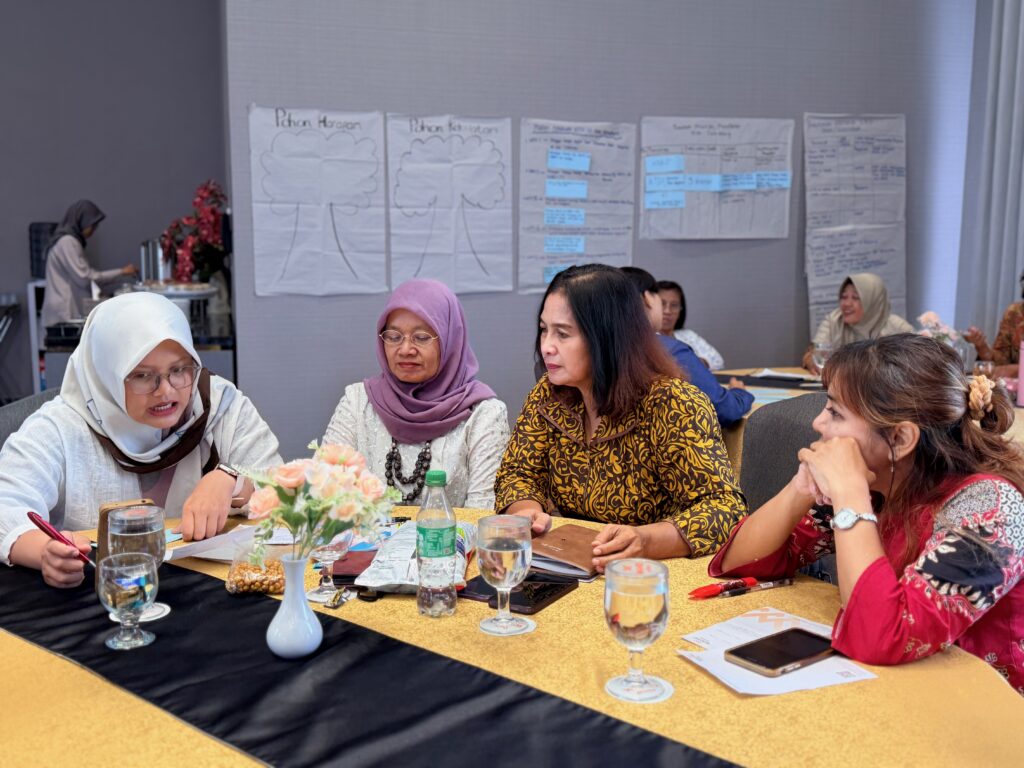
Through this training, it is hoped that communities will be more prepared to take an active role in promoting policies and programs that favor GBSV victims and survivors, and ensure that the issue of violence prevention and handling becomes a priority in development in Central Java.
Through the ARUNIKA project (Empowered Women for a Violence-Free Indonesia) in Central Java, the IPAS Indonesia Foundation partners with various parties to establish quality services for gender-based and sexual violence (GBSV). One of these efforts involves strengthening community support so that victims of violence can access their rights.