
Press Release
For immediate release.
Media Roundtable International Women’s Day 2026
Breaking the Silence, Strengthening Services for Victims of Gender-Based and Sexual Violence
Thursday, March 12, 2026
Gender-based and sexual violence (GBSV) remains a serious challenge in Indonesia. The 2024 National Survey on Women’s Life Experiences shows that approximately 1 in 4 women aged 15-64 have experienced physical and/or sexual violence in their lifetime, yet most cases are never reported due to stigma, fear, and limited access to services.
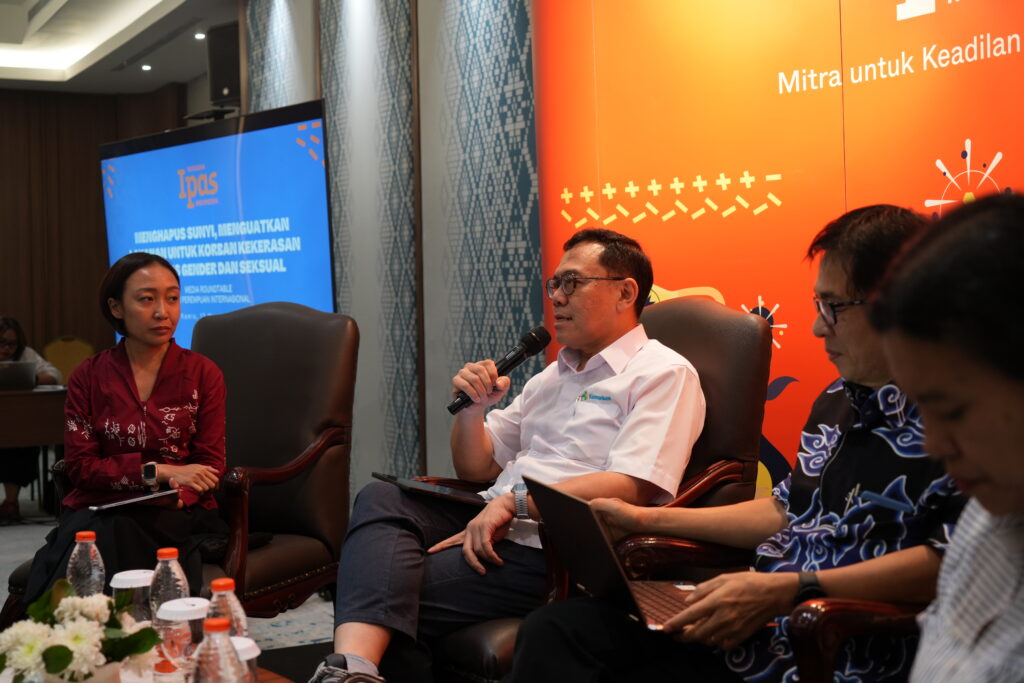
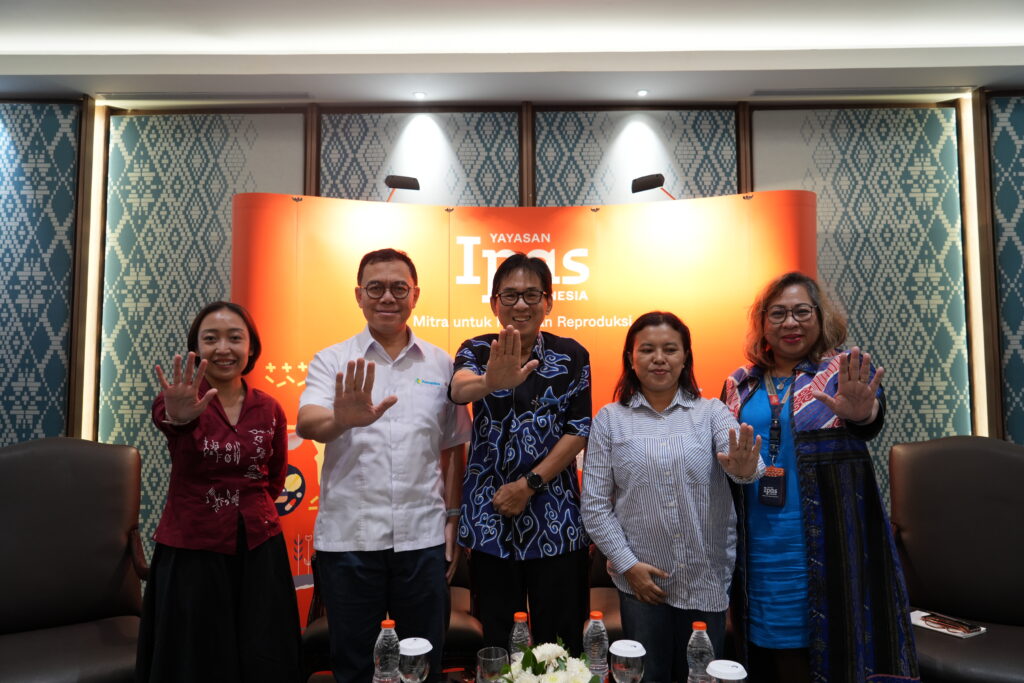
As part of the commemoration of International Women’s Day 2026 (March 8), Yayasan IPAS Indonesia organized a Media Roundtable titled ‘Breaking the Silence, Strengthening Services for Victims of Gender-Based and Sexual Violence’ on Thursday, March 12, 2026. This discussion aims to strengthen media and public understanding of the importance of comprehensive public services in the women’s protection sector and in healthcare services, as well as a survivor-centered approach.
Yayasan IPAS Indonesia collaborates with central government, local governments, healthcare facilities, professional organizations, and civil society in the regions of East Nusa Tenggara, Maluku, Central Java, and Central Sulawesi to enhance the capacity of healthcare workers and facilities, as well as public awareness to access healthcare services, particularly Post-Abortion Care (PAC), family planning and contraception, and the handling of victims of Violence Against Women and Children (VAWC), especially Sexual Violence (SV).
Policy-wise, Indonesia has strong legal policies through Law No. 12 of 2022 concerning Sexual Violence Crimes (UU TPKS) and Government Regulation No. 33 of 2025, which regulate prevention, handling, protection, and recovery measures for victims. These regulations emphasize the importance of fulfilling victims’ rights to access information, legal services, healthcare services, psychological recovery, and the removal of sexually explicit content from electronic media. However, implementation in the field still faces challenges such as limited service capacity, uneven access, and social stigma against survivors.
The Ministry of Women’s Empowerment and Child Protection, as the coordinating body for public services for violence against women and children, including for GBSV victims, based on Presidential Regulation 55 of 2024, mandates Provincial and Local Governments to establish Regional Technical Implementation Units for Child and Women Protection (UPTD PPA). This is compulsory in every city/regency. Currently, a Draft Ministerial Regulation of the Ministry of Women’s Empowerment and Child Protection is being prepared for the implementation of UPTD PPA by cross-sectors, making it important for all parties to understand their respective roles in providing services for women and children.
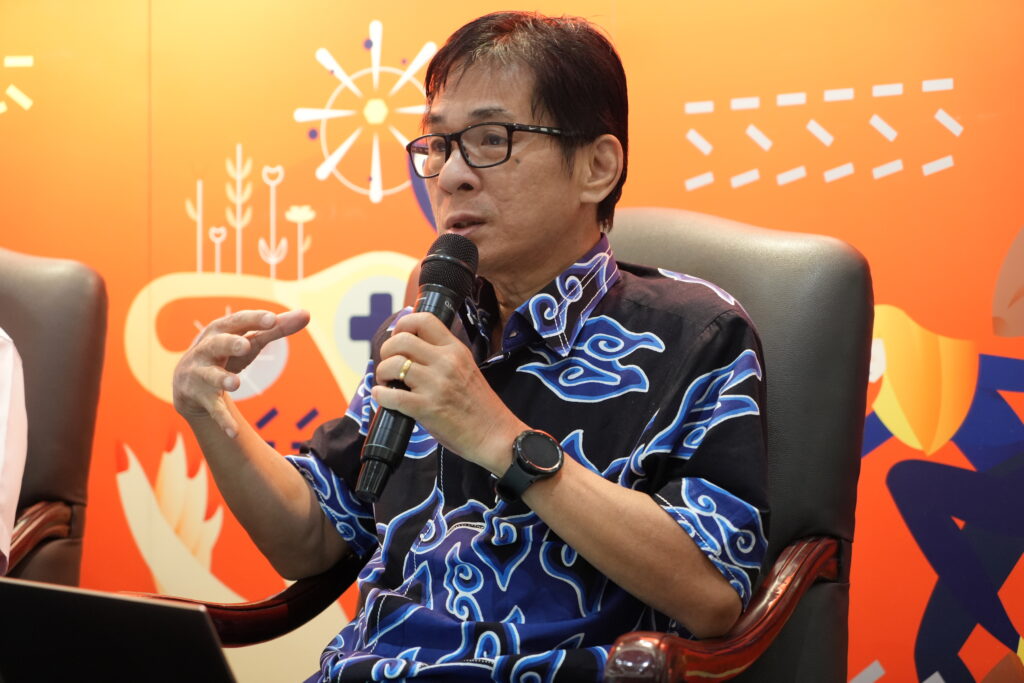
In the violence response system, the health sector plays a crucial role. Healthcare professionals are often the first to interact with victims seeking help. Therefore, the ability to detect signs of violence, provide rights-based initial care, and make appropriate referrals is very important. The Ministry of Health continues to strengthen healthcare services for victims of violence through service guidelines, training for healthcare workers, and strengthening services in hospitals and community health centers (puskesmas).
However, public service access for women survivors of violence is still uneven. To date, only about 43% of hospitals and 60% of community health centers are capable of providing management services for victims of violence, indicating the need to increase service capacity in various regions. Therefore, civil society organizations also play an important role in assisting survivors and strengthening the service ecosystem.
The capacity of hospitals for violence against women needs to be further strengthened because some treatments, such as abortion on indication for rape victims, require good competence and complete medical equipment. In addition, the relationship between healthcare facilities and multi-sectors and communities also needs to be strengthened, especially victim advocates, as they accompany victims who may be afraid or hesitant to communicate with healthcare professionals.
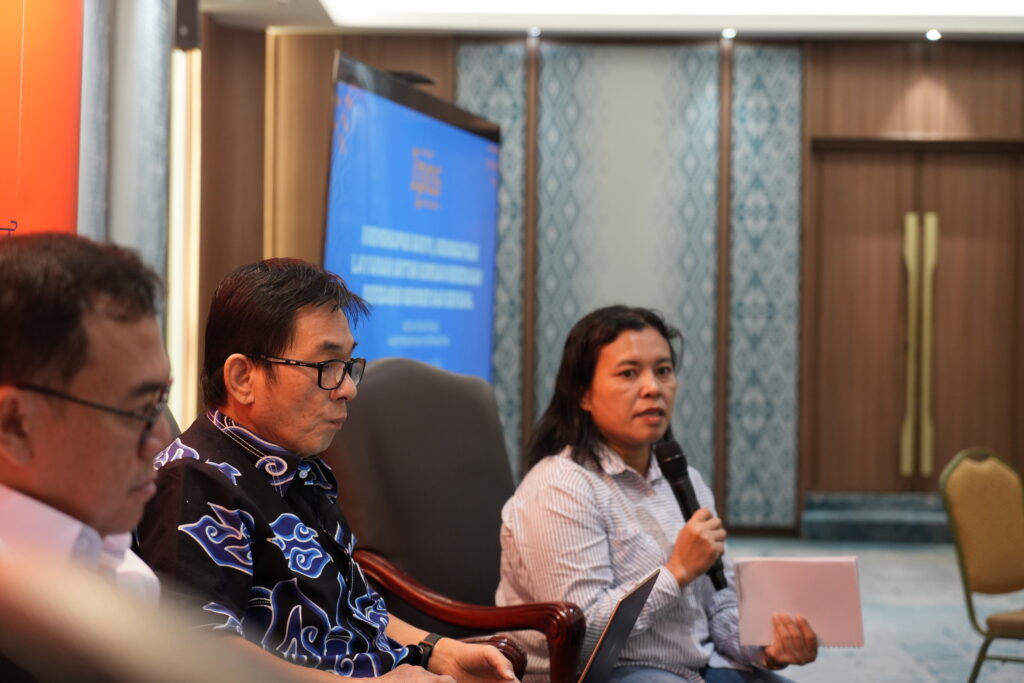
Local governments need to fulfill the mandate of the Sexual Violence Crimes Law. We hope that UPTD PPA will have sufficient and competent human resources, quality and inclusive facilities and infrastructure, and that the budget available to UPTD PPA can be used more for services for women victims of violence. FPL has documented cases and harmonized reporting with Komnas Perempuan and KPPA, provided technical assistance to UPTD PPA established in provinces and cities/regencies, and submitted policy recommendations to the Ministry for the drafting of the Ministerial Regulation on UPTD PPA.
Through this discussion, Yayasan IPAS Indonesia hopes that collaboration between the government, civil society, and the media can be further strengthened to ensure that every woman in Indonesia receives protection and access to safe, quality, and dignified healthcare services.
Contact Person:
Thea Yantra Hutanamon
Partnership and Development Manager
Yayasan IPAS Indonesia
M: +62-812-9808-6223
E: [email protected]
About Yayasan IPAS Indonesia
Yayasan IPAS Indonesia is a civil society organization that is part of the Ipas Impact Network, a global network working to advance reproductive justice by expanding access to sexual and reproductive health services. Through a comprehensive approach that includes strengthening health systems, policies, and community support, Yayasan IPAS Indonesia works with governments, healthcare providers, and civil society organizations to ensure that everyone has the right to bodily autonomy and access to safe, quality, and dignified reproductive healthcare services.