
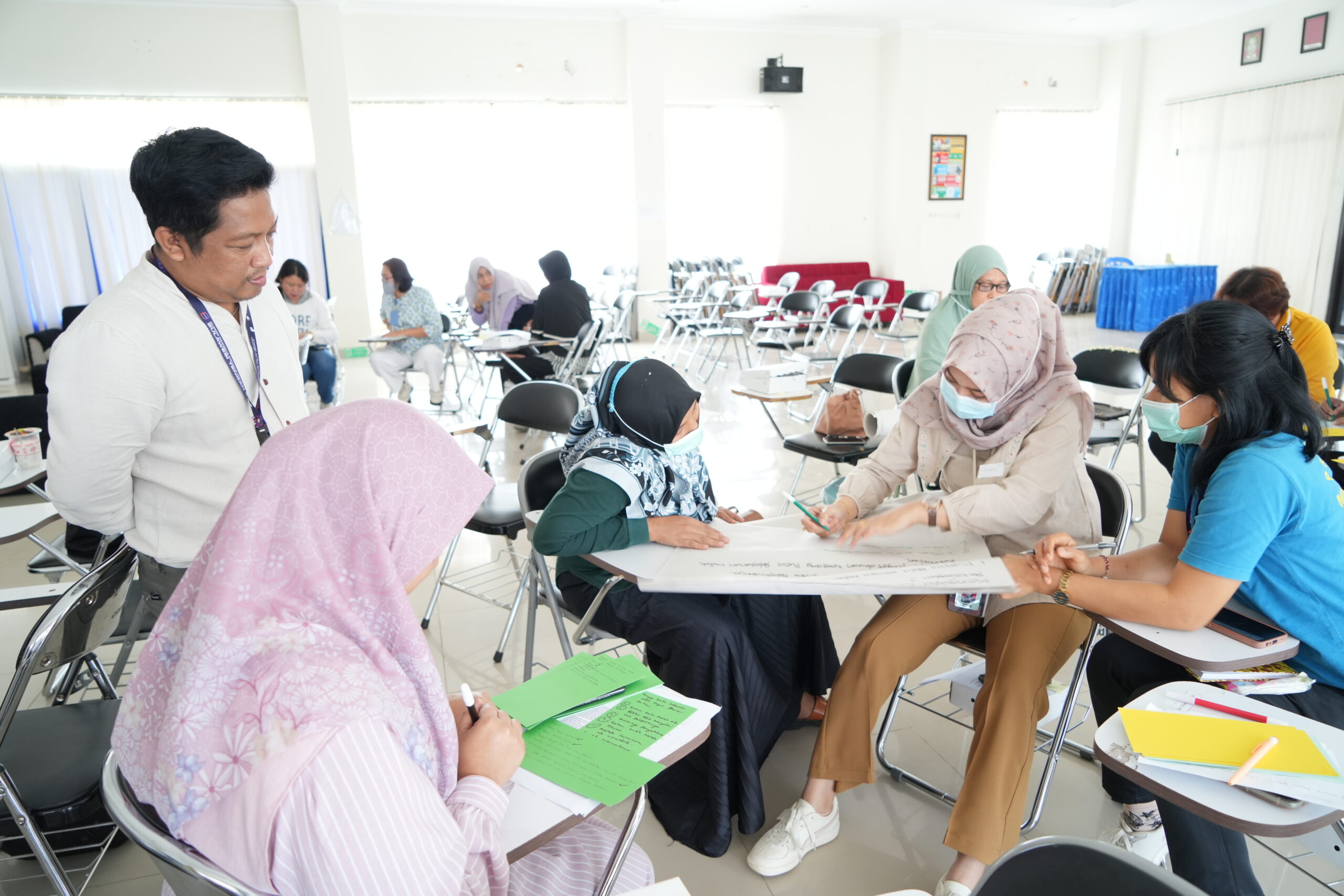
The IPAS Indonesia Foundation conducted a Whole Site Orientation at 13 Puskesmas (Community Health Centers) and 3 RSUD (Regional General Hospitals) spread across Sigi, Donggala, and Parigi Moutong Regencies, Central Sulawesi Province, between January and February 2025.
The Whole Site Orientation activity aims to introduce the background, objectives, and work activities within the CERAH Project to healthcare and non-healthcare personnel at healthcare facilities (faskes) in the intervention areas.
The CERAH Project (Climate Emergency, Reproductive Rights and Health) was launched on November 6, 2024. This project aims to support resilient primary healthcare services in the face of disaster situations exacerbated by the climate crisis. One of its services is related to reproductive health.
“The objective of the Whole Site Orientation is for all healthcare and non-healthcare personnel at these facilities to understand and support the implementation of the CERAH Project,” stated Dr. Gisella Tellys, MPH, Health System Strengthening (HSS) Specialist at the IPAS Indonesia Foundation.
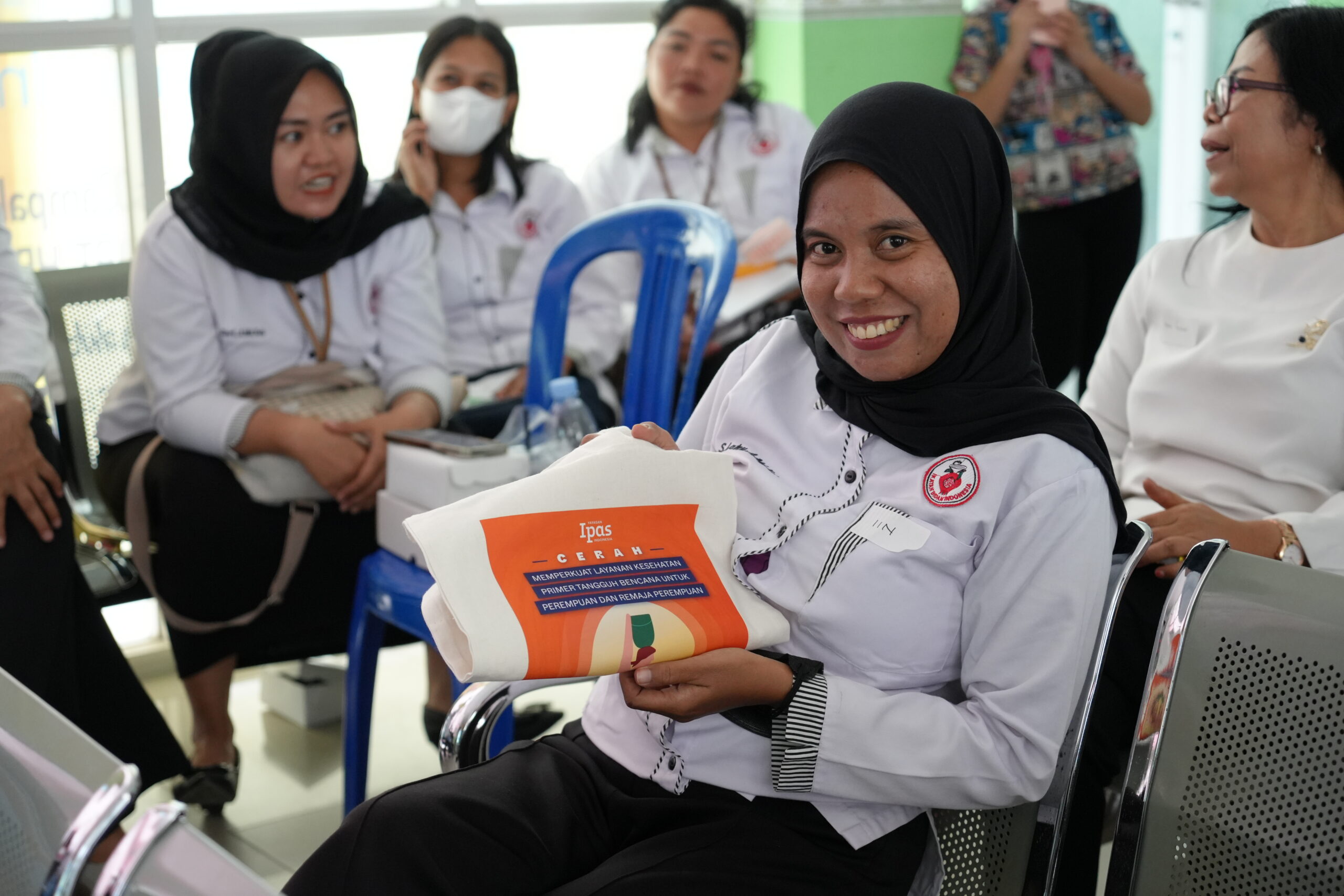
“By the end of the CERAH Project, reproductive health services and services for Violence Against Women and Children (VAWC) and Sexual Violence (SV) must be able to continue, even in disaster situations,” she emphasized.
On this occasion, IPAS Indonesia Foundation also conducted mini Values Clarification for Action and Transformation (VCAT) workshops at each healthcare facility to assess the perceptions and values held by health and non-health personnel regarding reproductive health and VAWC/SV. This aims to ensure that healthcare facility staff can provide services free from stigma, discrimination, and judgment, centered on women’s needs.
“We found that many healthcare personnel still hold values that are not centered on the needs of women and victims. For example, the perception that contraception must be provided with the husband’s permission is still widely found. This indicates that the understanding of women’s rights, especially Sexual and Reproductive Health Rights (SRHR), is not yet aligned with women’s interests,” explained Dr. Gisella.
Pro-women services in reproductive health access are crucial. And this is no less important than the clinical capabilities possessed by service providers.
“After the Whole Site Orientation, the CERAH Project will facilitate a series of clinical training sessions for reproductive health services—especially training on contraceptive services and training on cases of violence against women and children—as well as training for relevant program managers,” she concluded.