
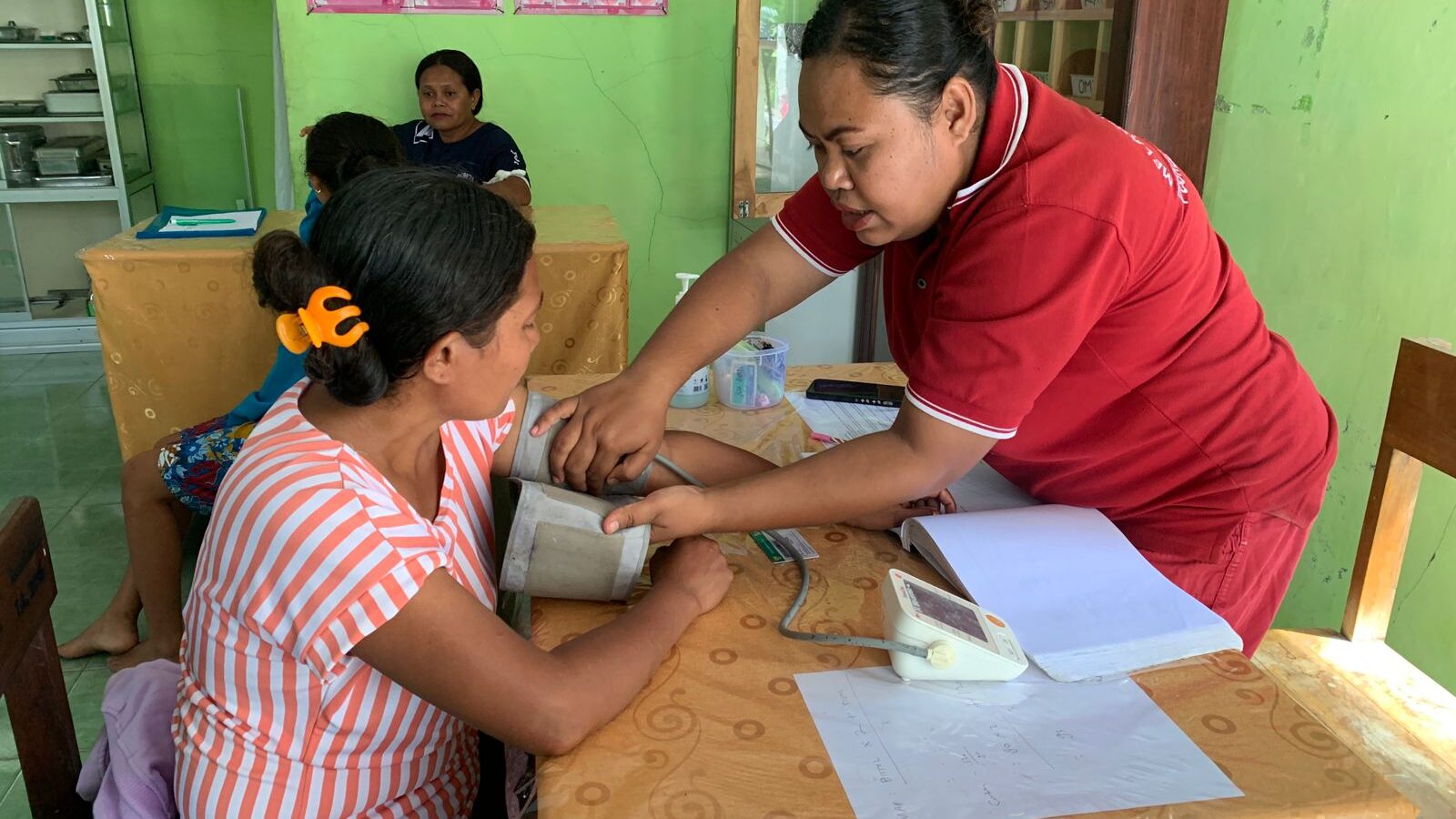
In several villages in Kupang Regency, East Nusa Tenggara, men’s decisions still largely determine whether women use contraception. For seven years as a village midwife in Ekateta, Midwife Ria Baik has diligently strived to dismantle this patriarchal dominance.
She visits homes and attends community meetings to provide education about the Family Planning (KB) program. Like a dedicated door-to-door salesperson, she steadfastly convinces men to support their wives in participating in the family planning program.
Midwife Ria revealed that myths are the biggest obstacle in convincing husbands to support their wives in using contraception. Many men believe myths more than medical facts about contraceptive methods. This is highly regrettable, as many wives actually wish to use family planning.
“Most husbands believe that using family planning can lead to illness. Some claim breast milk dries up, while others say it can cause tumors,” Midwife Ria stated.
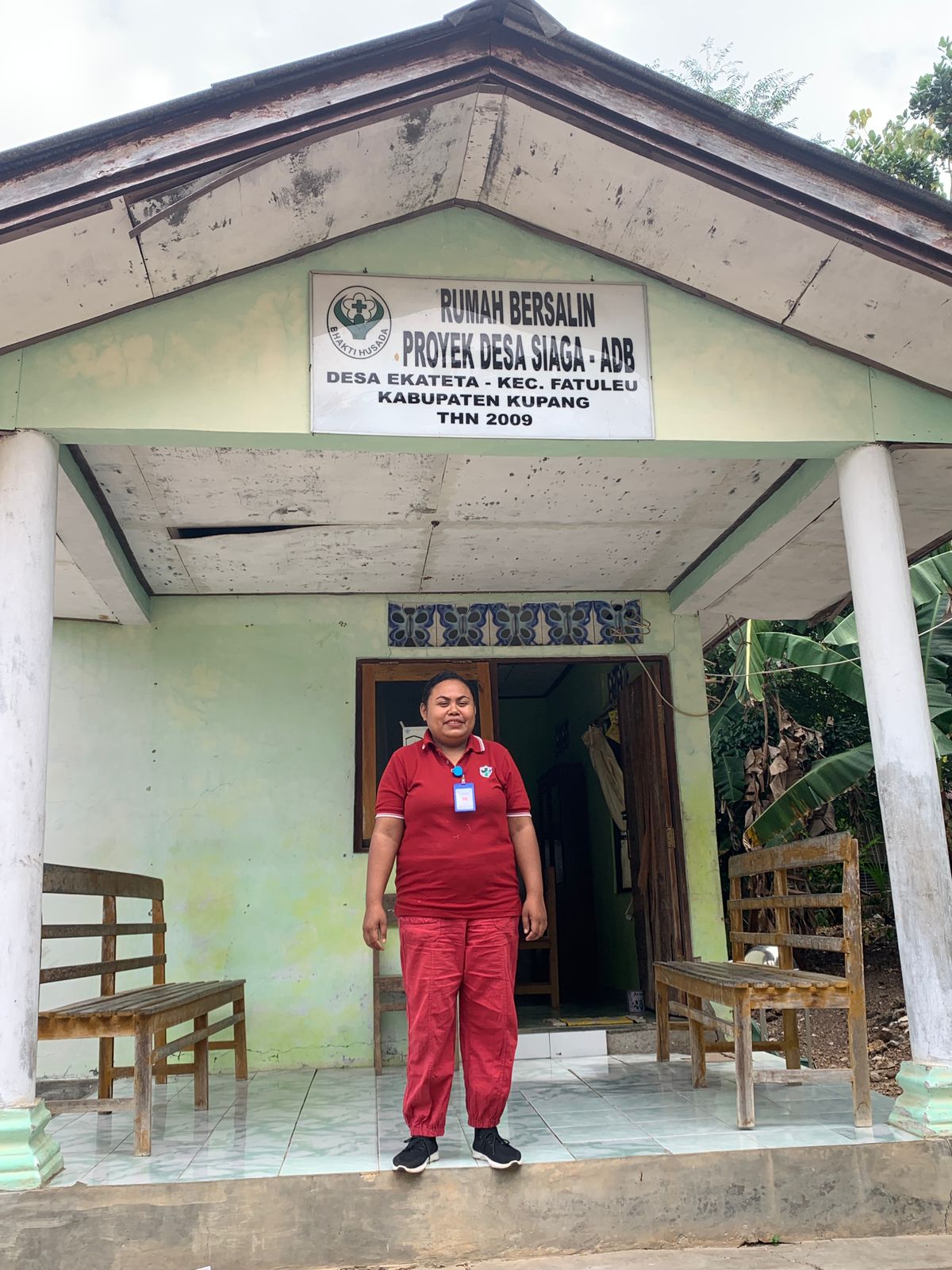
Based on this, she never tires of conducting outreach at the Posyandu (Integrated Health Post) in her village. She also frequently attends social service activities to raise awareness among men regarding the benefits of contraception in pregnancy and family planning. Occasionally, she also visits churches to promote awareness about family planning.
In a study conducted by the IPAS Indonesia Foundation, one of the biggest challenges in Kupang is reaching new acceptors due to a lack of information regarding family planning. According to local government data, the Modern Contraceptive Prevalence Rate in several districts in 2022 remained relatively low, ranging from 41.90% to 49.90%. Therefore, figures like Midwife Ria are crucial for continuously promoting the family planning program.
Indeed, Midwife Ria stated that the outreach efforts do not quickly change men’s perceptions. This is understandable, considering these myths have long been deeply rooted in society. Nevertheless, some men are beginning to realize the importance of supporting their wives’ decisions to use contraception.
“During husband-and-wife home counseling sessions, some are willing to use family planning after the counseling, while others are not willing at all,” she stated.
Enhancing Midwives’ Capacity through Training
Enhancing midwives’ capacity is one of the crucial keys to promoting the achievement of the family planning program. In addition to improving their technical skills, this training can also boost their confidence when providing services, including counseling and family planning outreach.
Midwife Ria is one of the midwives who participated in the family planning training organized by the IPAS Indonesia Foundation during January-May 2024. She emphasized that this training provides a refresher after graduating from midwifery studies seven years ago.
“All this time, after graduating and working, most of us inserted implants during social service activities. Only now do I realize that, according to proper procedure, infection prevention is crucial for healthcare workers. After this training, we are more knowledgeable about the procedures. We believe this training is excellent,” she explained.
She added that this training helped refresh her memory regarding the insertion method for IUD (Intrauterine Device) contraception. “After working at the Pustu (sub-health center), most services involved implants. However, there were no IUD acceptors, so we did not insert them,” she elaborated.
From the materials obtained in the training, she can provide the latest accurate information regarding family planning methods tailored to women’s needs. However, this service must also be supported by available facilities, such as implant removal tools.
“Implant removal tools are not yet available; patients must be taken to a distant community health center if needed,” she concluded.