
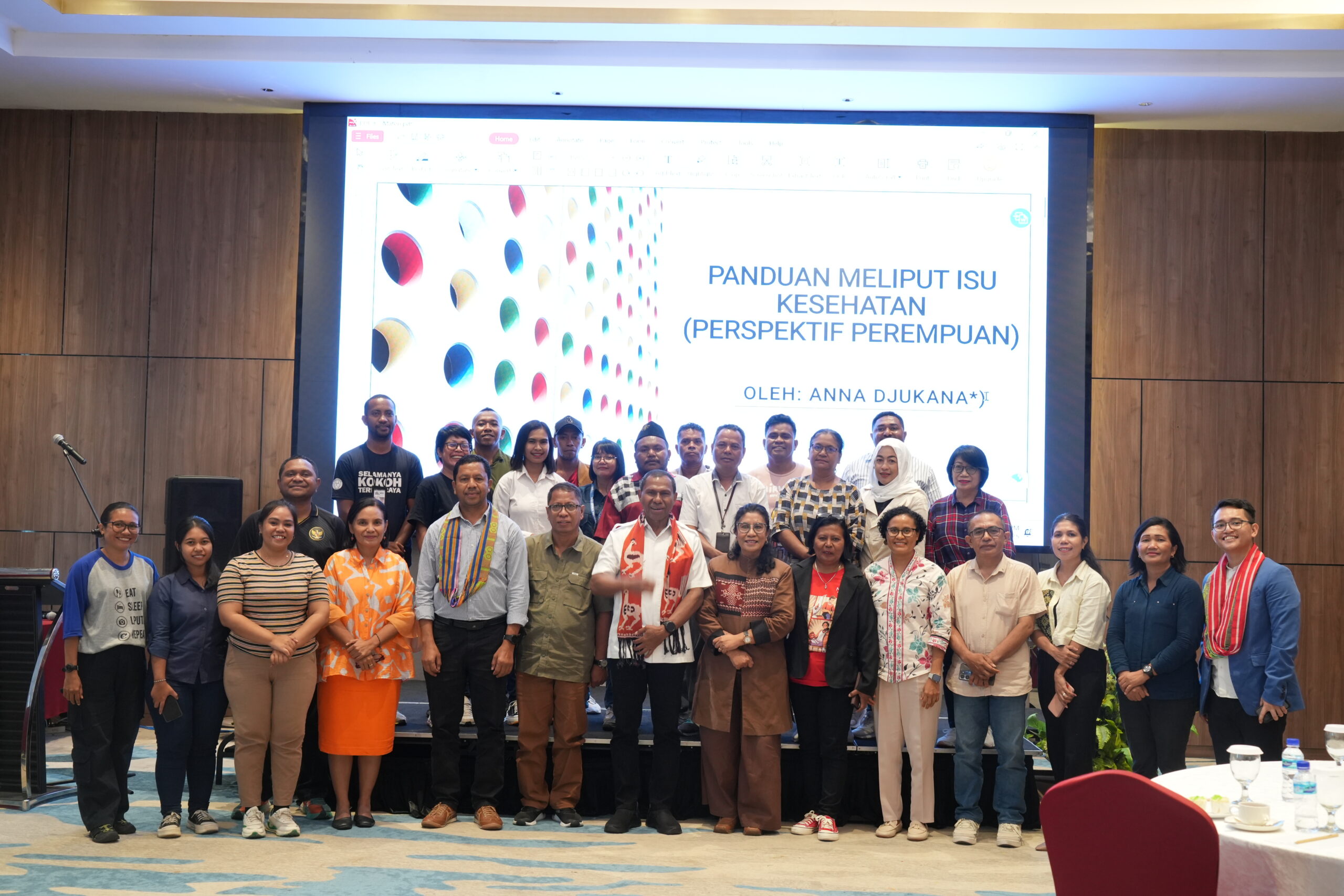
To commemorate International Women’s Day, the IPAS Indonesia Foundation collaborated with the Alliance of Independent Journalists (AJI) Kupang City to organize a gathering and focused discussion. The event, held on March 7, 2025, in Kupang City, focused on reporting health issues, particularly in the East Nusa Tenggara (NTT) region.
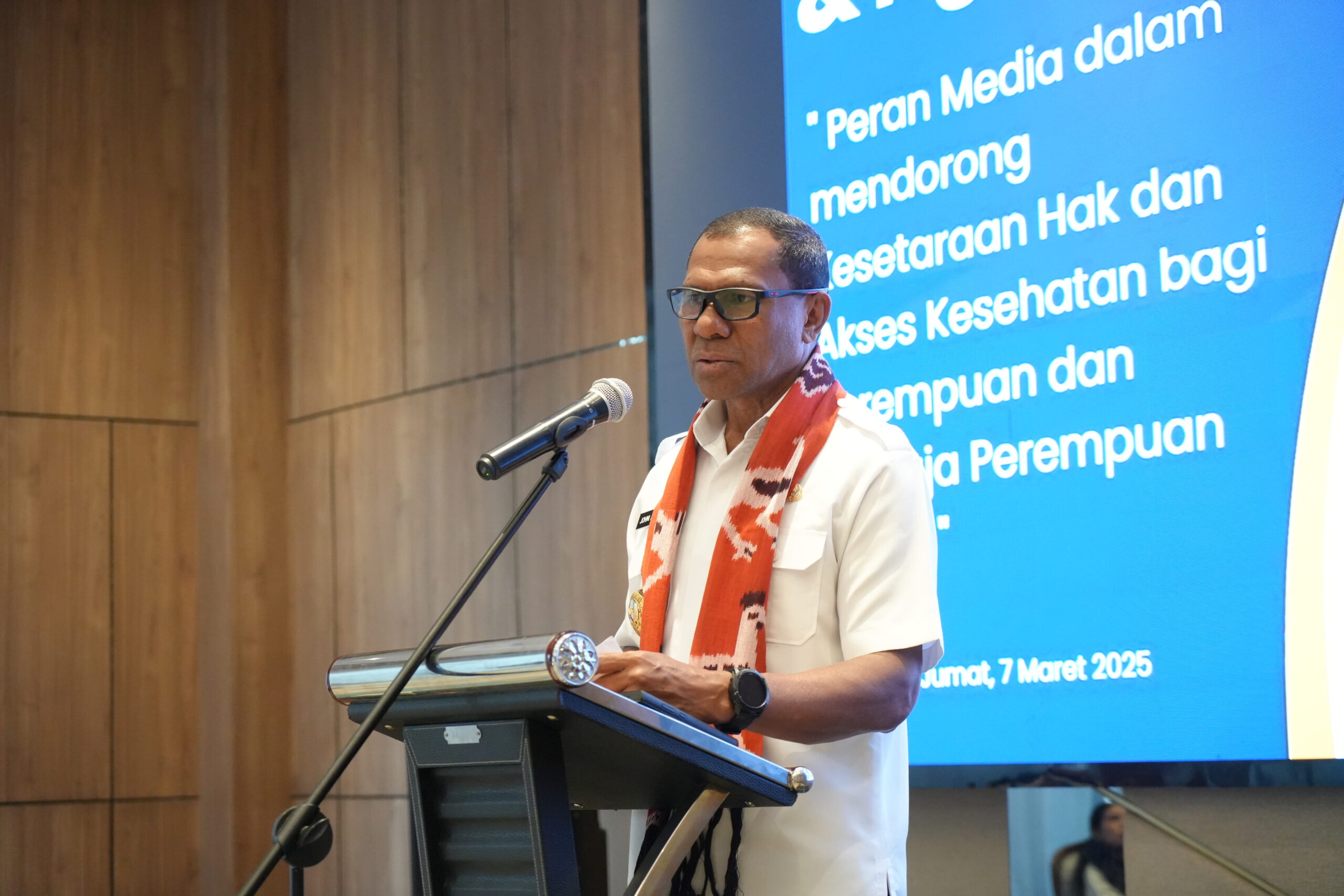
The discussion was opened by NTT Deputy Governor Johni Asadoma, who emphasized the important role of media in promoting gender equality for women. Through the widespread dissemination of information, the media is expected to educate women to be more aware of their rights and foster the creation of equality.
“The role of the media is highly supportive in disseminating sound information and promoting gender equality. Firstly, it provides information on women’s rights. Secondly, it raises awareness of the importance of gender equality. Thirdly, it provides information on equal resources and opportunities for men and women. Furthermore, [the media] conveys gender-sensitive content. Next, [the media] challenges rigid gender stereotypes,” said Johni.
In East Nusa Tenggara, access to healthcare services, particularly for women, remains a challenge. These obstacles are not only caused by geographical factors and limited infrastructure but also by a patriarchal culture that hinders women from obtaining adequate healthcare services. This situation reflects that gender equality has not yet been fully achieved.
The Head of AJI Kupang City, Djemi Amnufi, stated that this activity is expected to provide input for the NTT government, especially regarding health. “Health is not only about stunting, but the Maternal Mortality Rate (MMR) in NTT is quite high,” he added.
In NTT itself, the MMR reached 316 per 100,000 live births. This figure is very high compared to the national average of 189 per 100,000 live births. Meanwhile, contraceptive use decreased from 2021 to 2022, specifically from 490,774 to 318,148.
Through the TAKENUSA program (Joint Commitment for Women’s Health in Nusa Tenggara), the IPAS Indonesia Foundation strives to reduce the MMR and promote the expansion of contraceptive access. TAKENUSA has been implemented since 2023 in Kupang Regency, East Flores, and South Central Timor.
TAKENUSA Project Coordinator, Stefanus Bere, stated that journalists have a significant role in reporting how women access these services, especially in publicizing the challenges, particularly for women living in villages with challenging access.
“The media has a strategic role in educating the public, building awareness, and overseeing policies to be more aligned with the needs of women and adolescents. With data- and fact-based reporting, the media can become a bridge connecting the community with available healthcare services, while also reducing the stigma associated with reproductive health services,” he stated.
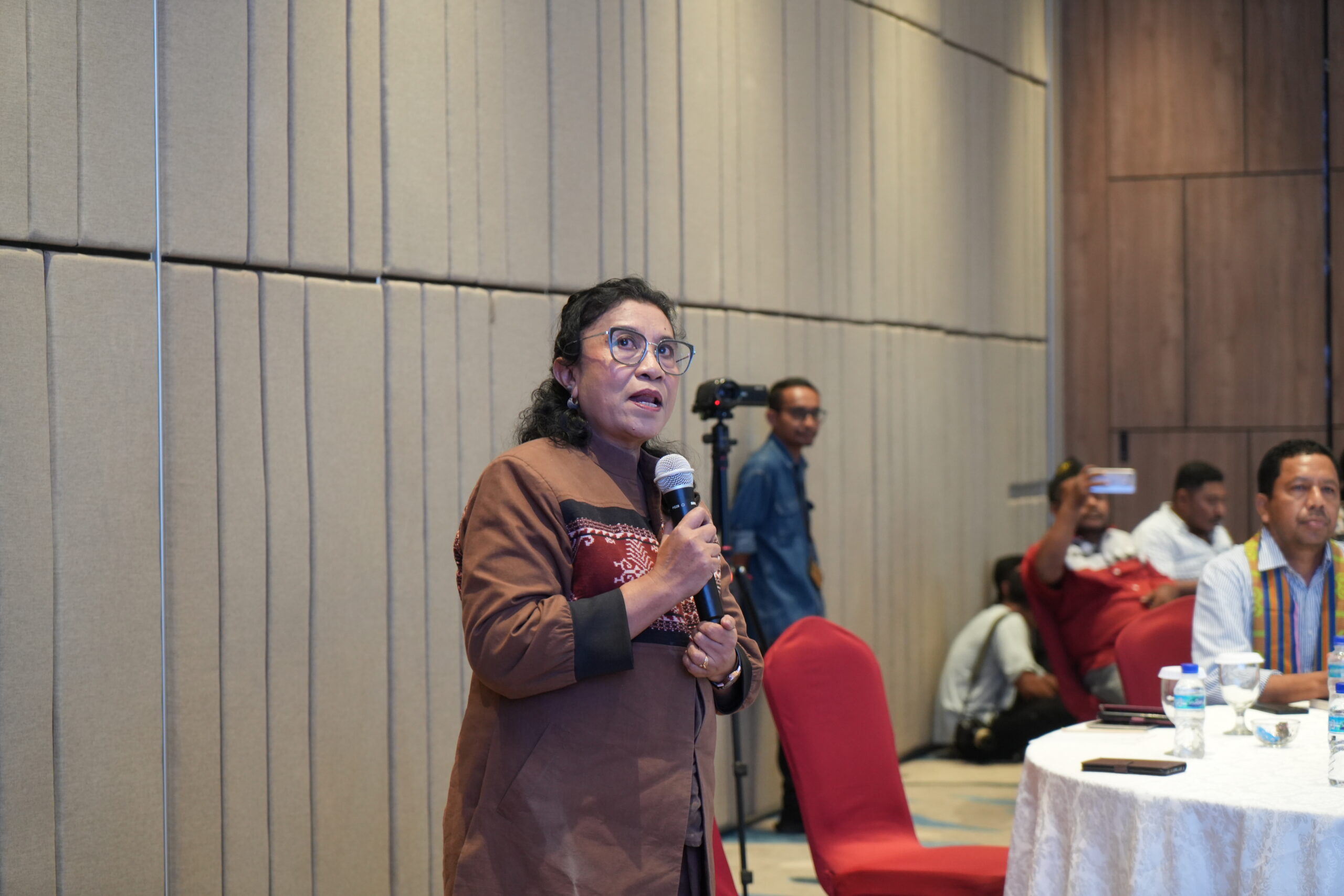
Senior journalist and resource person in this discussion, Ana Djukana, stated that featuring individuals in health reporting is very important. “Therefore, write compellingly from a human interest perspective,” she said.
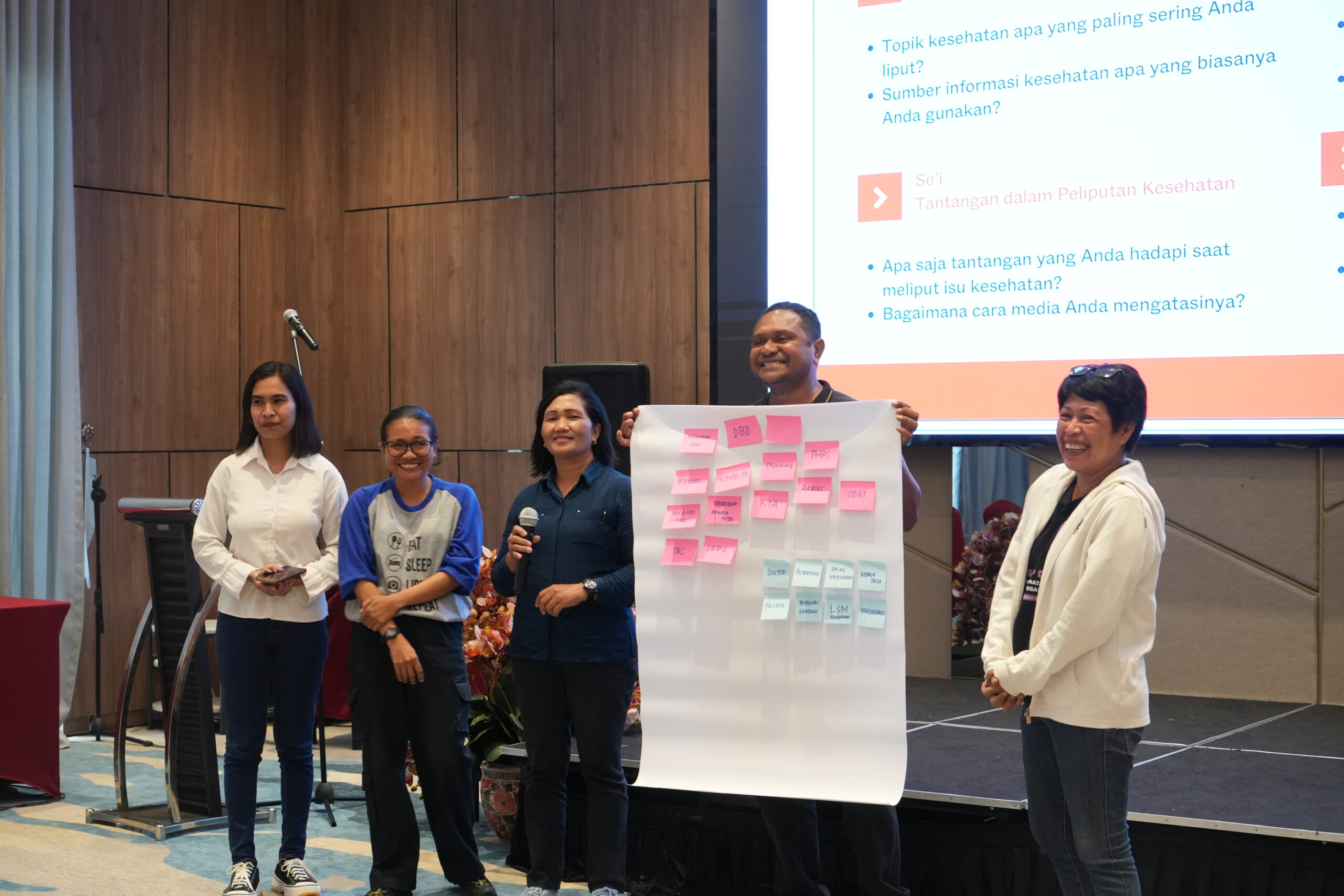
In the discussion session, most health issues frequently covered were related to HIV/AIDS and rabies. Specific issues concerning contraception and reproductive health have not been widely explored.
“In our experience, civil society organizations are important in helping us find resource persons for coverage on issues such as HIV/AIDS. In fact, some resource persons were willing to have their faces unblurred to raise awareness about HIV/AIDS,” said one participant, who is also a television journalist.
A significant challenge faced by journalists is understanding medical terms. Furthermore, there is no specific training for reporting on health issues. “So, I once encountered a difference in the definition of stunting between community health workers and health professionals when reporting on it,” said one participant.
This activity was attended by 20 journalists (10 female and 10 male journalists) from South Central Timor, Kupang Regency, and Kupang City, consisting of radio, television, print, and online journalists.