
When misinformation and false assumptions are more easily believed than facts, important decisions can turn out to be wrong. That’s what happened to Yusina Kase and Maxi Taloim, a married couple. For years, misconceptions about contraception made them reluctant to use birth control. Their views changed when they met a health worker who provided accurate information about birth control to help them make fact-based decisions.
Yusina started using injectable birth control in 2014 after giving birth to her first child. “The first time I got the shot, it hurt. I had a headache and a fever. It was the same after the second shot. When I got the third shot, it was the same again—the pain just wouldn’t go away,” she recalled.
Yusina said she was not given any explanation about the side effects of the injectable contraceptive she chose. Not only did she experience fever and pain, but she also lost weight. Seeing this, Maxi, her husband, forbade Yusina from using any form of contraception, regardless of the method. “To be honest, at that time I became very opposed to the Family Planning (KB) program because I assumed that all types of contraception would have the same side effects,” Maxi recalled.
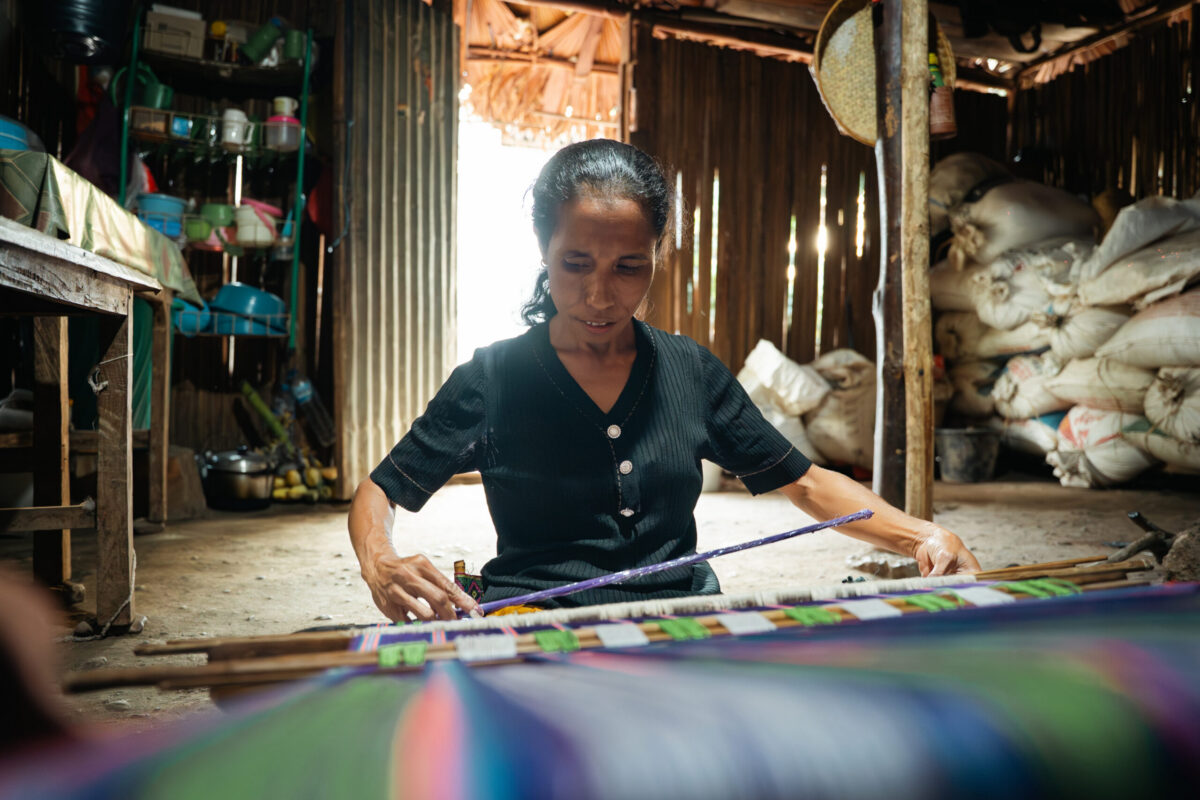
Patriarchy and Disinformation
Community leader Maria Yana Aryani Bate said, “There was a case where a husband refused to let his wife use birth control, even though their child was only four months old.” Many women are unwilling to use contraception because their husbands won’t allow it. She added that once a woman has been “dibelis” (given a wedding dowry), she must follow her husband’s family’s decisions, including regarding the number of children they have. A strong patriarchal culture makes it difficult for Yusina and most women in East Nusa Tenggara to refuse their husbands’ decisions.
Resistance to family planning is not only encountered by community health workers but also during counseling sessions with midwives. “A midwife once counseled a woman on using long-acting contraception because she already had many children. However, her husband didn’t agree. So the midwife was accused of meddling in family affairs,” recalled Midwife Triyanti Jeli Rosalina Safe, who works at the Sulamu Community Health Center in South Central Timor Regency.
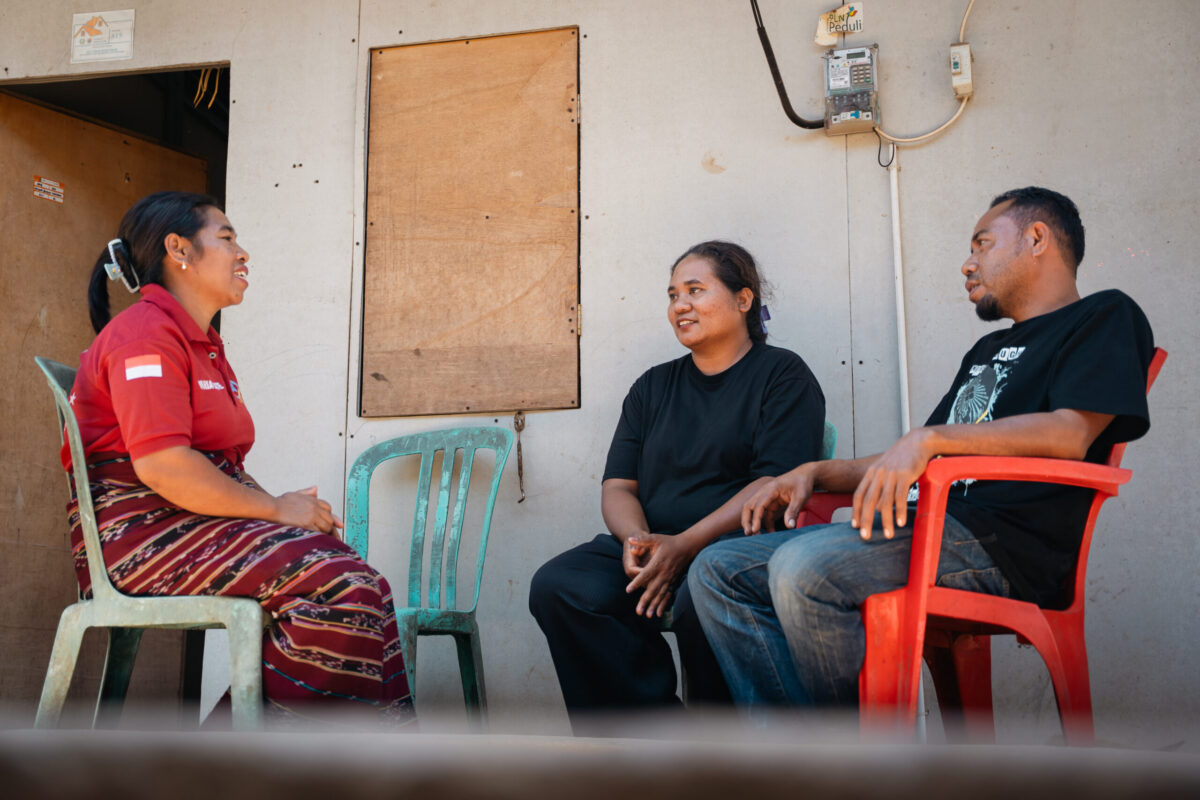
Health workers as a bridge for information
“From that training, there was so much material that helped me understand, and I really want to spread the word to all women that we, as women, must make our own decisions—and that’s essential,” she emphasized.
Many residents—especially men—have changed their views thanks to the persistence and patience of Maria and the other community health workers in educating people about contraception. One of them is Maxi. His views on contraception changed completely after he was educated by Maria.
“At that meeting, we met with a team from the IPAS Indonesia Foundation and PKBI East Nusa Tenggara, who clearly explained information about family planning. I asked the staff to explain it in more detail because my wife had experienced some unpleasant side effects while using birth control,” Maxi explained.
On that occasion, she also learned about the side effects of various contraceptive methods. “After listening to the presentations by the community health worker, as well as the IPAS and PKBI staff, my understanding has broadened. I realized that there isn’t just one type of birth control option—there are actually a variety of choices. Their presentation was very clear and well-organized, so that laypeople like us could understand it clearly,” she emphasized.
From Accurate Information to Service
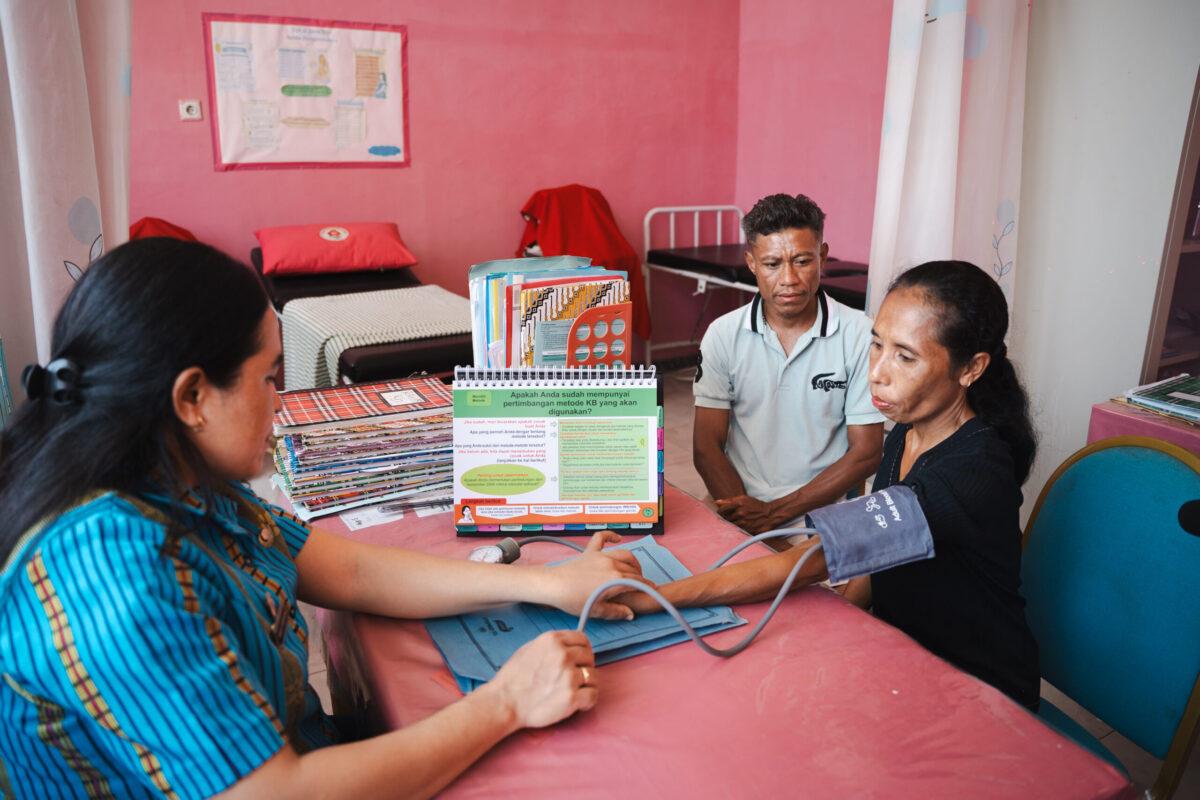
Yusina and Maxi’s story illustrates how investing in health workers can help overcome often-unseen barriers—such as misinformation and social norms that limit women’s choices. With accurate information and more responsive health services, families can make informed health decisions.