

In many rural coastal villages in Indonesia, the climate crisis cannot be ignored. Local communities face extreme heat and persistent tidal floods. In Sigi and Donggala Regencies, located approximately 2,204 km from the capital city of Jakarta, crop failures and water scarcity have become daily challenges.
However, most villagers are still unaware of the profound impact of the climate crisis on their reproductive health. A study conducted by Yayasan IPAS Indonesia in collaboration with Hasanuddin University indicates that climate change is a major factor in the increase of child marriage, including challenges in menstrual hygiene and family planning. Nevertheless, communities perceive this trend as a continuation of previous patterns.
Spreading awareness about these issues is challenging due to low literacy rates, especially in rural areas where access to education is limited. According to the Organisation for Economic Co-operation and Development (OECD), Indonesia ranks 70th out of 81 countries in terms of literacy.
To address this, Yayasan IPAS Indonesia collaborated with 20 young people from Sigi and Donggala Regencies to document the impact of climate change on reproductive health through a five-day photography training. This workshop aimed to strengthen participants’ understanding of the impact of climate change on reproductive health.
We utilized a visual approach to spark their critical and creative thinking. Participants learned how to take powerful photos, write compelling stories, and conduct fieldwork to document the impacts of climate change.
Download the photo story below.
What participants gained from the training
Faradiva Aulia Azmi’s eyes welled up as she showed the photos she had taken in her village. The person in the photo on the left is her neighbor, Siti, who was forced into marriage at the age of 15 due to economic conditions.
“My friend’s family sold their farmland due to drought. She felt sad because her family lacked income due to the drought. Then, she decided to get married. She hoped that by getting married, she could alleviate her family’s burden,” said Faradiva.
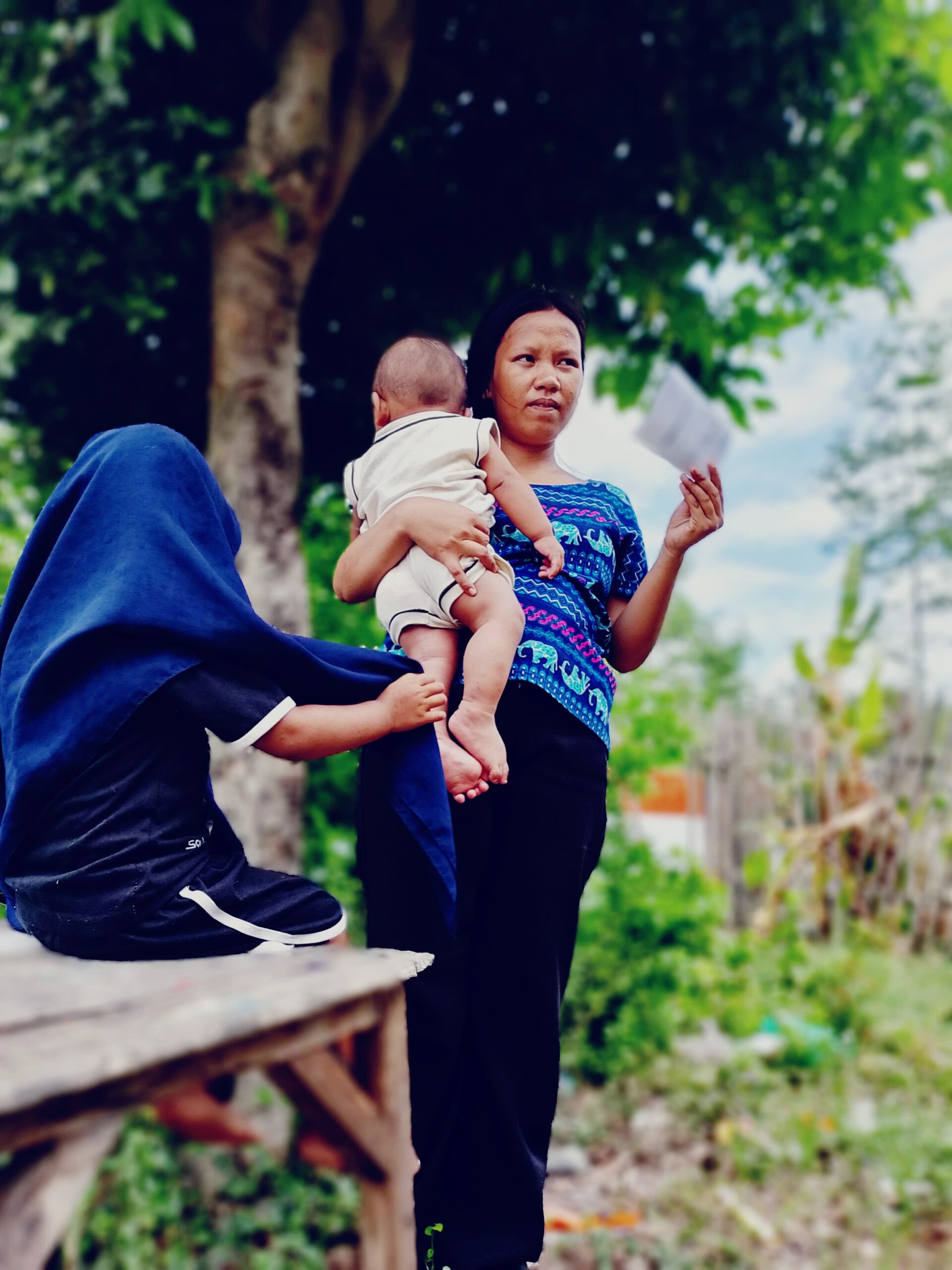
Siti was forced to drop out of school shortly after her marriage. Her marriage took place not of her own free will, but due to coercion. Siti’s parents arranged her marriage at a very young age to alleviate the family’s economic burden. They had sold the family land due to the impact of the climate crisis and transitioned from farmers to sellers of binte biluhata (corn soup).
Aditya, another participant, shared a similar story. He interviewed his friend who was forced into marriage as a child because her parents could not support her. Their income as agricultural laborers drastically decreased due to extreme weather caused by climate change, leading to crop failures.
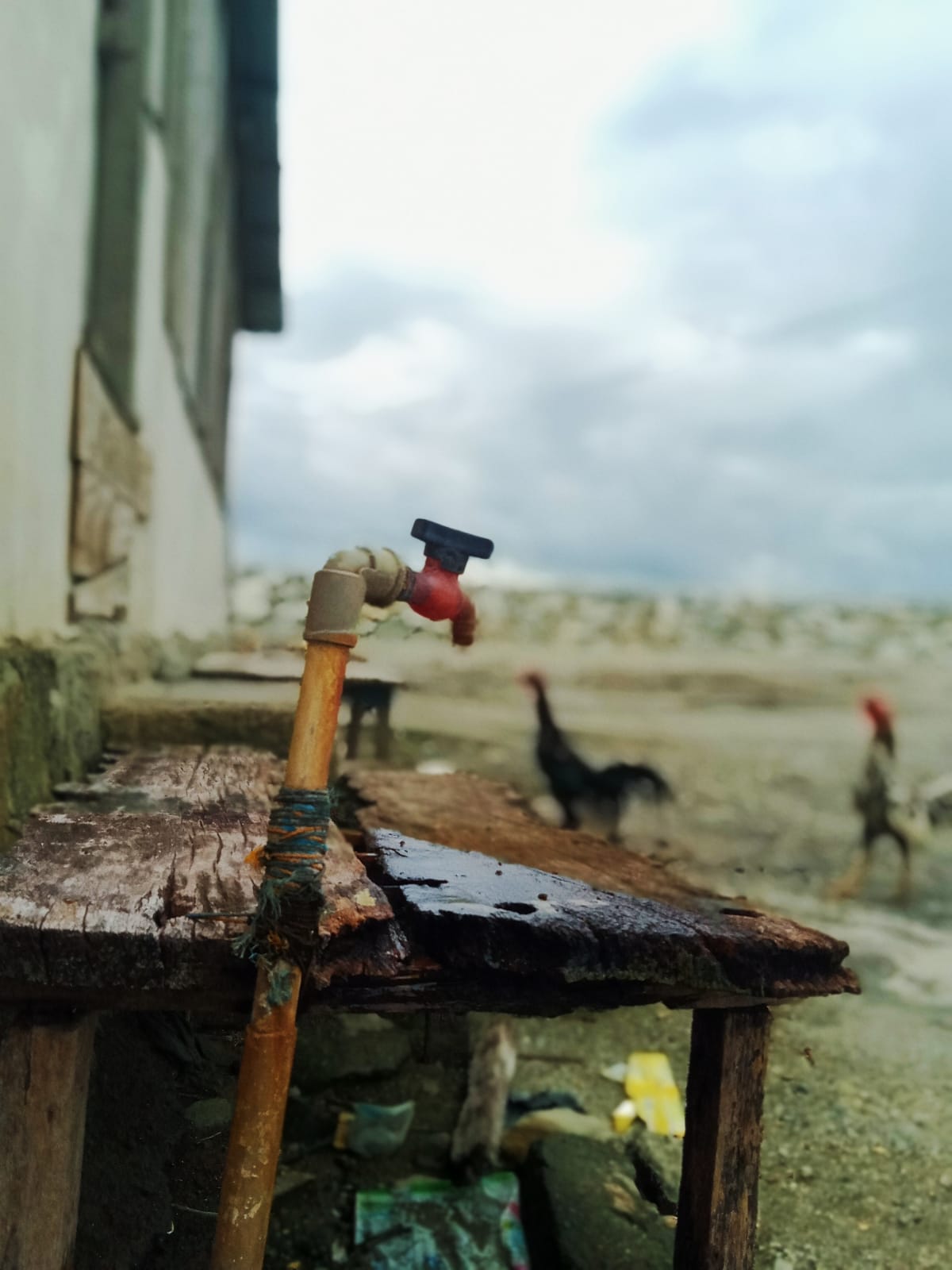
“Water taps should be a source of life for everyone.”
Other photos and stories show that the climate crisis has impacted water sources, forcing people to travel further from their homes to find clean water.
In rural areas, the climate crisis has disproportionately burdened women. They are not only responsible for caring for their children but also for providing water for their families. They often have to travel long distances to the nearest town to obtain water because their villages are submerged by floods.
Another participant, Gilang, interviewed a woman who had to go to the river to collect water. However, this did not guarantee the water was clean because tidal floods had contaminated the river. Consequently, women in the village suffered from urinary tract infections due to bathing in contaminated water.
Youth Voices: Reflections from the Ipas Indonesia Team
What was striking about this photography training workshop was seeing how young people connected with their discoveries through the photos. These portraits not only deepened their understanding of how climate change affects reproductive health but also helped make the complex topic of climate change more accessible to the audience.
Furthermore, participants shared that they felt heard in expressing their views on climate change, which are often overlooked because their voices are rarely heard in their villages. Discussions about climate change typically focus on livelihoods, but their insights added valuable personal perspectives to the conversation through this training and their photos.
After witnessing their enthusiasm, we are optimistic that these young participants are now more motivated to educate others about the impacts of climate change—especially on reproductive health.
Yayasan IPAS Indonesia is committed to amplifying the voices of young people and showcasing grassroots aspirations through the photos produced during the workshop on national platforms. We aim to involve them in policy discussions and other advocacy events.