
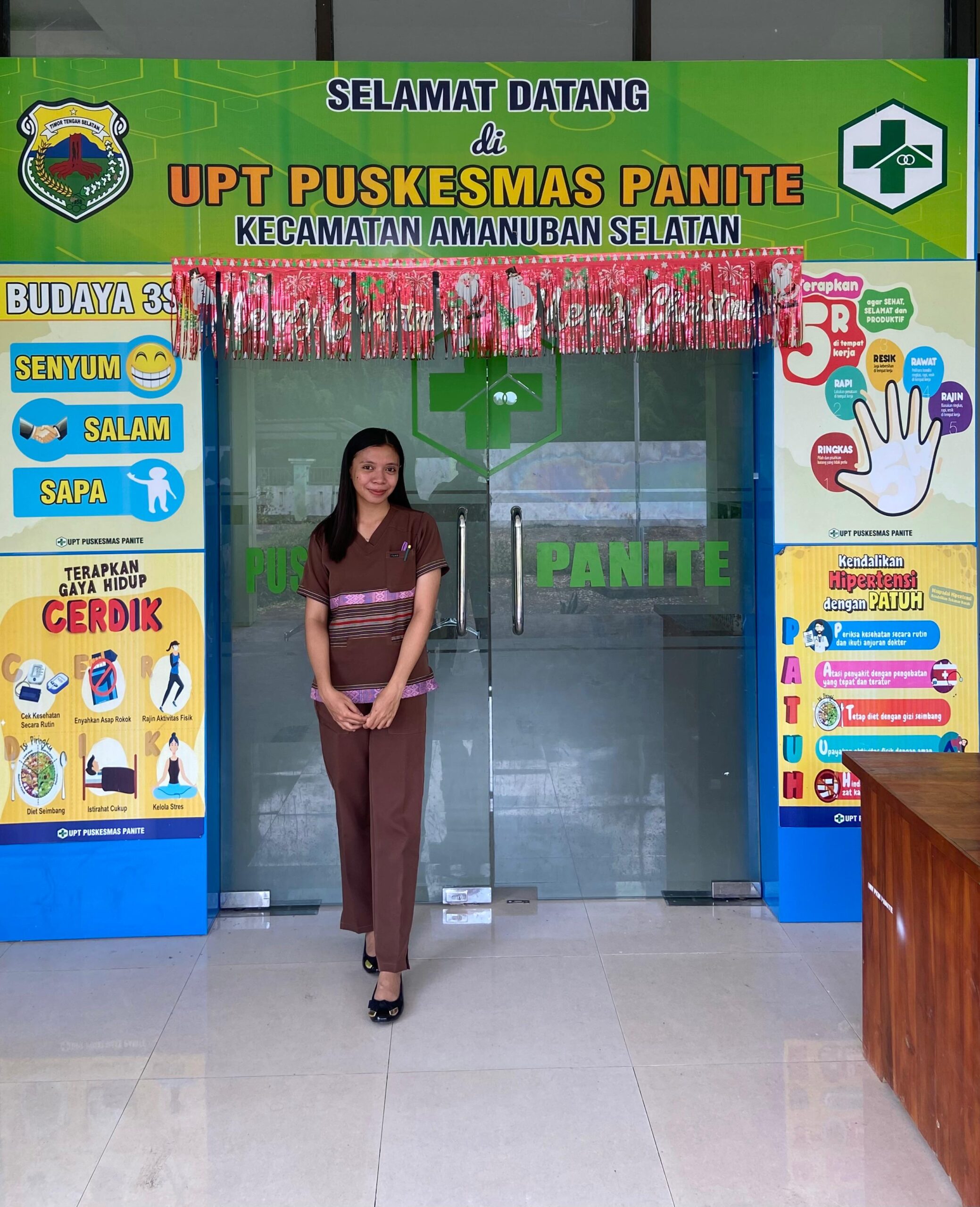
Challenging geographical conditions coupled with low public awareness exacerbate the miscarriage situation in South Central Timor Regency (TTS). Dr. Kristina Lawung stated that three miscarriage patients visited her community health center between August 2024 and February 2025. All these patients were referred to a hospital.
She emphasized that referrals are not a simple matter. Sometimes, many patients are referred due to their worsening condition. “Sometimes patients arrive having been bleeding since the previous night, but are only brought to the community health center the next day,” said Dr. Kristina.
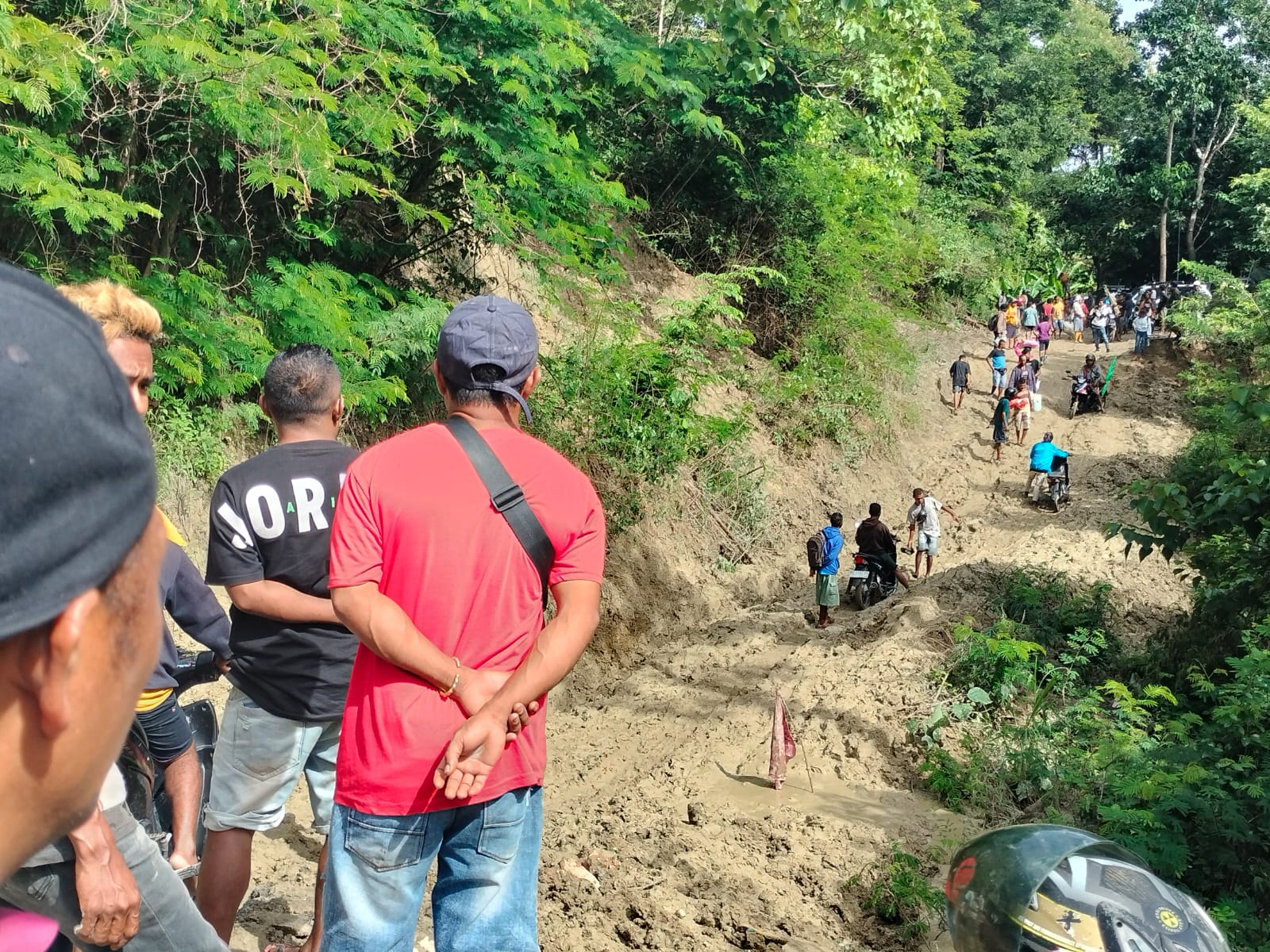
This is not without reason. Road access conditions in the villages of TTS are not as smooth as Jakarta’s paved roads. “Due to difficult road access, patients often arrive with bleeding, so specialists usually request immediate referral to the regional general hospital (RSUD),” she added.
The problem does not end there. Cost considerations create a dilemma for patients. “Because if, upon referral and examination, it is determined that they need to be hospitalized in the city, this often burdens families with costs,” she said.
Patient families often need a considerable amount of time to decide on this matter. They often end up refusing referral.
Proactive Outreach and Raising Awareness about Miscarriage Signs
Amidst limited access, Midwife Yane Amalo never ceases to educate pregnant women through posyandu activities in her village, Bena. In addition to the midwife, there are also community health cadres who disseminate information regarding pregnancy danger signs and miscarriage signs.
“We have frequently informed that if danger signs such as spotting or bleeding from the birth canal occur, the patient must be immediately brought to the Community Health Center,” said Midwife Yane.
She also frequently conducts home visits to patients who have been discharged from the hospital.
Miscarriage Rates in TTS Are Quite High
Obstetrician and Gynecologist Edward Manurung, often called Dr. Edo, stated that miscarriage is among the top 10 largest health cases at Soe Regional General Hospital. On average, two or three cases are handled each week.
“Most miscarriage cases handled here are typically incomplete abortions, meaning some tissue has already exited the uterus, whether the event occurred at home or at a community health center, and then the patient is referred to the hospital in a bleeding condition,” he said.
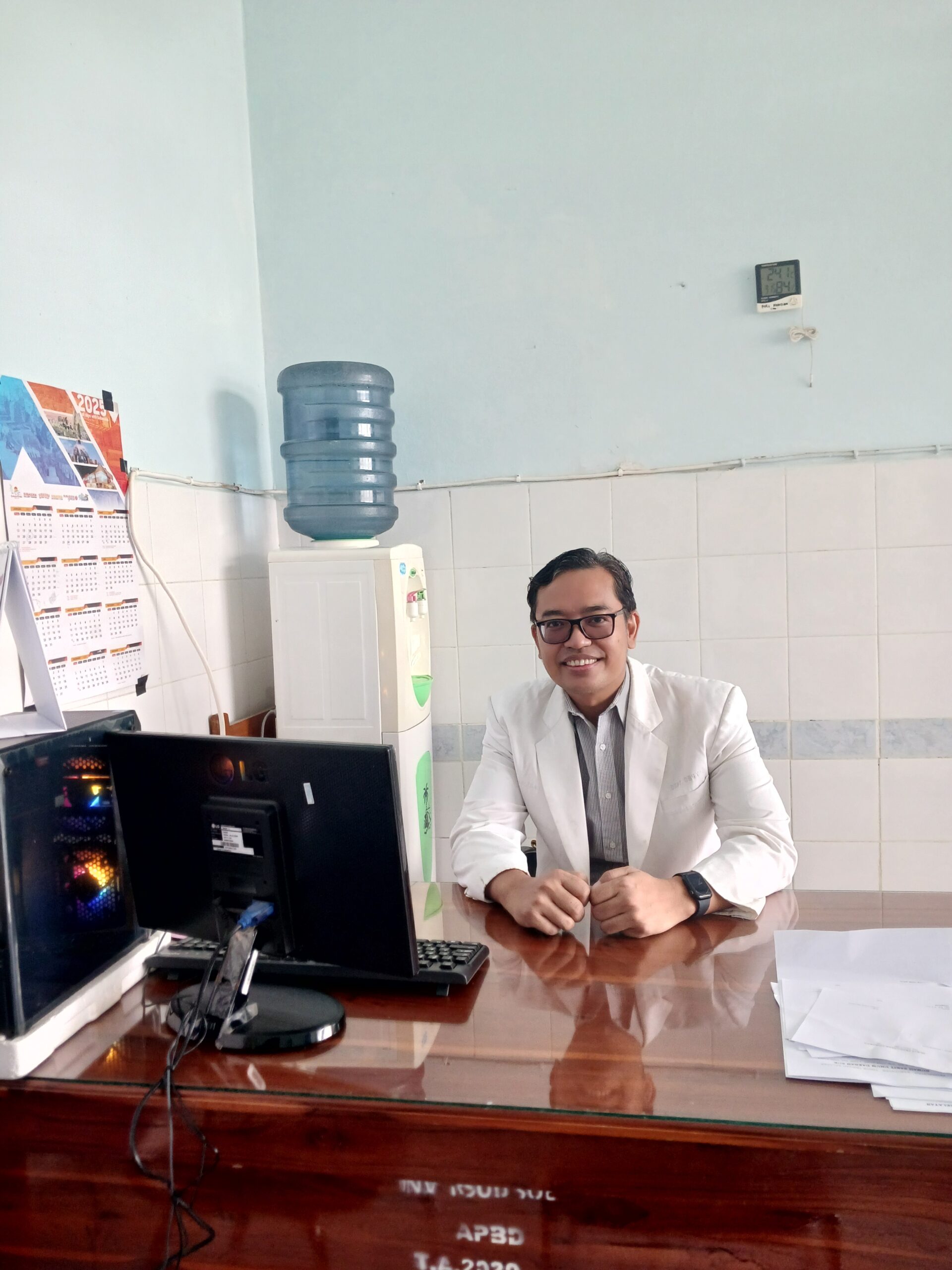
She added that miscarriage patients are typically managed using sharp curettage. This method is indeed more familiar to obstetricians and gynecologists.
“I am confident that almost all obstetricians in that area still predominantly use sharp curettage, because during our education, we were not introduced to MVA (Manual Vacuum Aspiration), so that’s generally the case,” she asserted.
Since 2012, the World Health Organization (WHO) has no longer recommended the use of sharp curettage for managing miscarriages. Alternatives include vacuum aspiration or medication. These methods can reduce severe complications for patients.
Dr. Edo did not deny that he has also started using MVA. “All this time, we considered MVA to be less clean, not very good, complicated, or troublesome to perform. However, after performing it ourselves, I found it to be more effective, cleaner, and caused less pain for patients,” he stated.
Nevertheless, he encountered several challenges when using this safer and more comfortable method for patients. “The rubber component becomes stiff after some use, making it feel harder when pulled; that’s the only issue, otherwise there are no problems,” he affirmed.
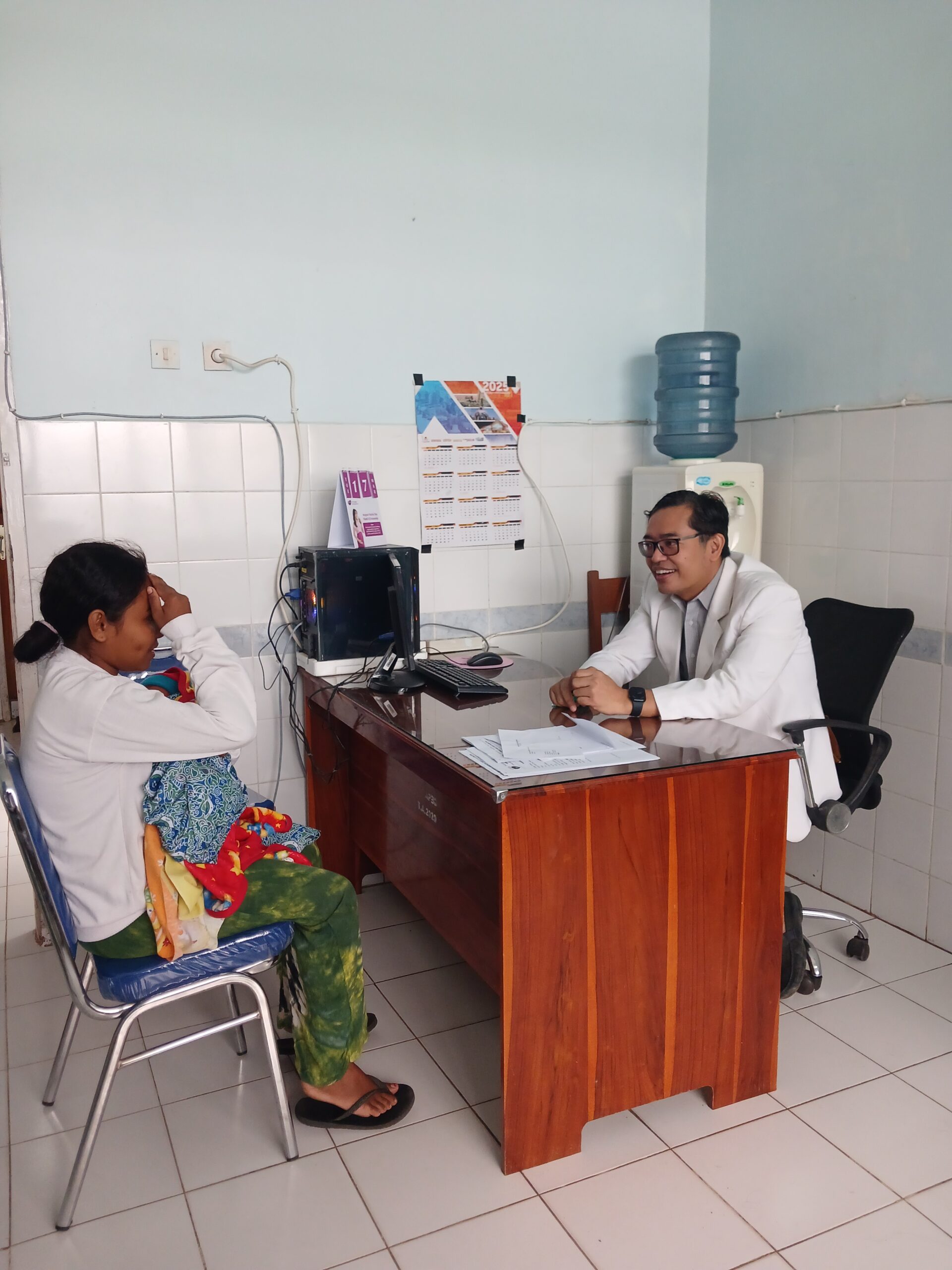
He added that many hospital managements have not yet switched to using MVA. This is due to each hospital’s individual priorities.
Dr. Edo is one of the participants in the Comprehensive Post-Miscarriage Care Training in NTT to Support the Initial Implementation of Services at Primary Healthcare Facilities. This training was conducted in Kupang City in August 2024.
This training is part of the TAKENUSA project (Joint Commitment for Women’s Health in Nusa Tenggara). The project aims to expand access to contraception and post-miscarriage care in South Central Timor Regency (TTS), East Flores, and Kupang Regency.