
The earthquake that occurred in Sigi and Donggala Regencies, Central Sulawesi, in September 2018, not only altered the physical landscape of the region. Social structures also changed as almost all residents were forced to relocate from their homes for safety reasons. This situation not only worsened their economic conditions but also the reproductive health quality of women residents. This was further exacerbated by climate change.
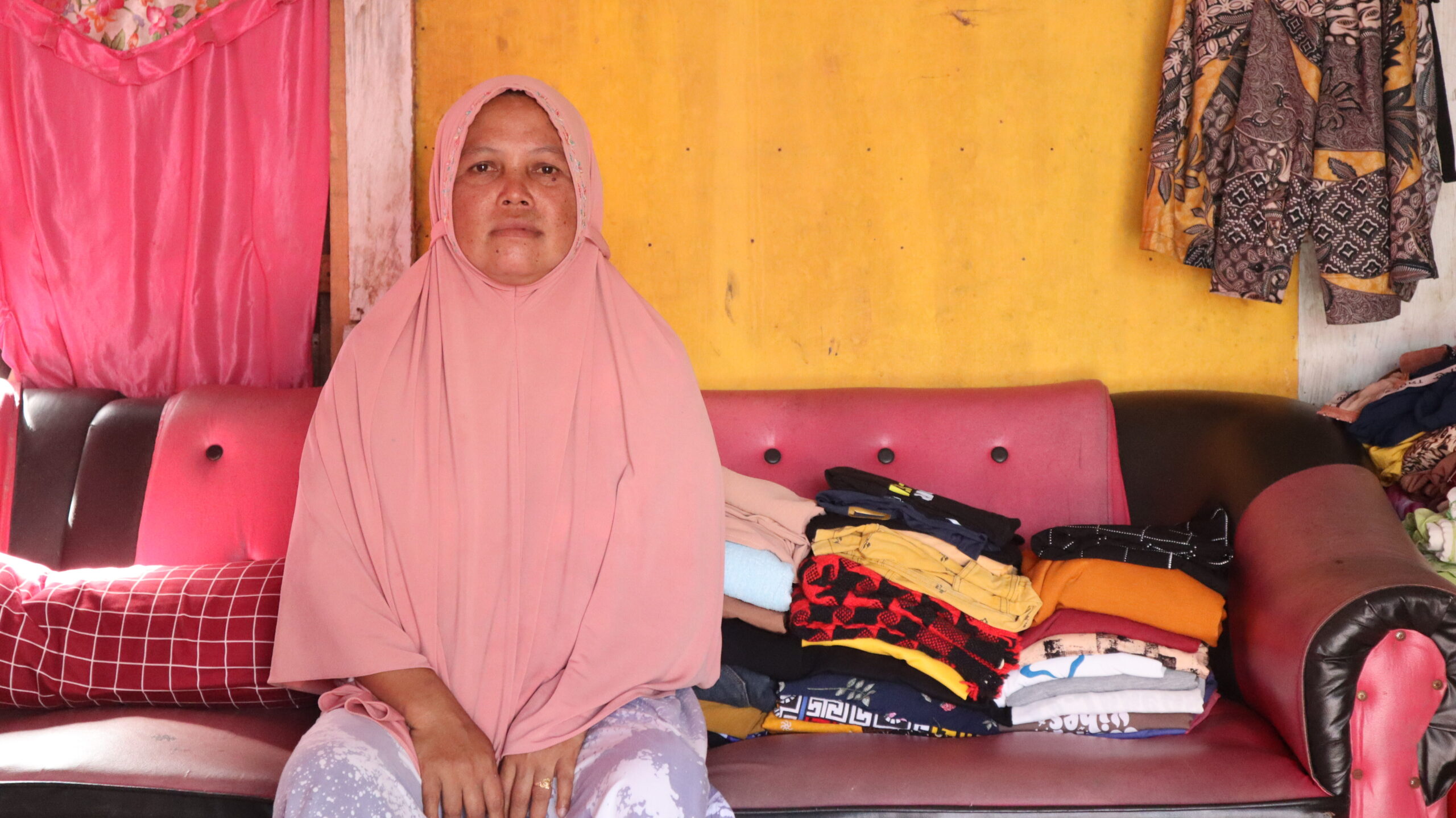
Ms. Fatnur, a resident of Tompe Village, Donggala Regency, stated that since she moved to a temporary shelter (huntara), access to clean water has worsened. Temporary shelters are residences for earthquake survivors before they are relocated to permanent housing. She has lived in that temporary shelter since the disaster destroyed her home five years ago until now.
“Initially, when we first lived in the temporary shelter, it was very difficult to get clean water. The water came from boreholes. We used borehole water for almost three years. Bathing with it caused itching. Now there is PDAM water service, and PDAM water does not cause itching,” said Ms. Fatnur.
This relocation to temporary shelters also forced her to adapt to economic competition. Ms. Fatnur added that many residents who were originally farmers became fishermen due to assistance from various parties after the disaster. This situation intensified the competition for selling fish catches.
The Head of Tompe Village, Mr. Herdi, affirmed that this change in livelihood has contributed to an increase in cases of Domestic Violence (KDRT). He stated that the psychological condition of spouses due to economic changes is suspected to be a trigger for domestic violence.
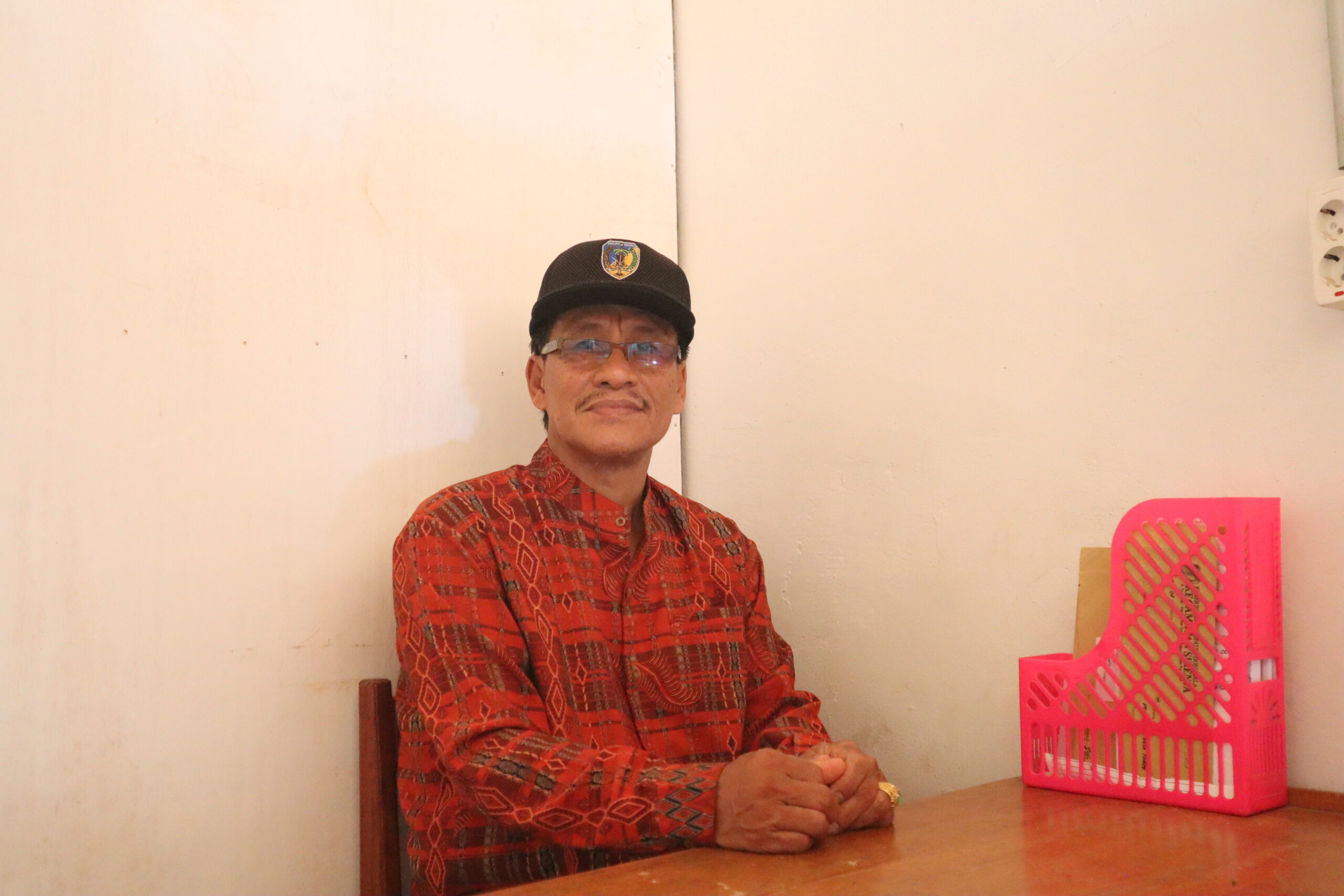
Herdi, when met at the Tompe village head’s office.
“There is a slight indication of an increase in domestic violence. We cannot quantify it, but there is an increase. Due to economic hardship, a life of scarcity triggers emotions,” said Mr. Herdi.
A study conducted by IPAS Indonesia Foundation in collaboration with Hasanuddin University in 2022-2023 found that most perpetrators of sexual violence were only punished through customary fines. There were even cases where the perpetrator was subsequently married to the victim. This is suspected to be due to their insufficient economic capacity resulting from climate change, although this practice should be avoided as it does not prioritize the well-being of the victims.
A village midwife named Misini revealed that the increase in violence cases post-earthquake is suspected to be due to the living conditions of the residents. “Post-earthquake, violence and child marriage increased because… in tents, they gathered in close proximity,” she stated.
To encourage village governments to respond to cases of sexual violence resulting from disasters and climate change, IPAS Indonesia Foundation, in collaboration with KPKP-ST (Central Sulawesi Women’s Equality Struggle Group), conducted capacity building. This activity aims to encourage village officials to create policies to eliminate gender-based and sexual violence.
Between August and December 2022, KPKPST conducted over 10 workshops in 20 villages in Sigi and Donggala Regencies for village governments and health workers. Additionally, 1,608 adult women and men, as well as adolescent girls and boys, were involved in awareness campaigns related to violence. As a result of these activities, several villages have appointed their officials to form Women and Child Protection Task Forces (Satgas PPA). Furthermore, some villages have allocated specific budgets for Satgas PPA activities.